
Are Genetics A Risk Factor For Disc Protrusion?
Are genetics a risk factor for disc protrusion?
Understanding Disc Protrusion
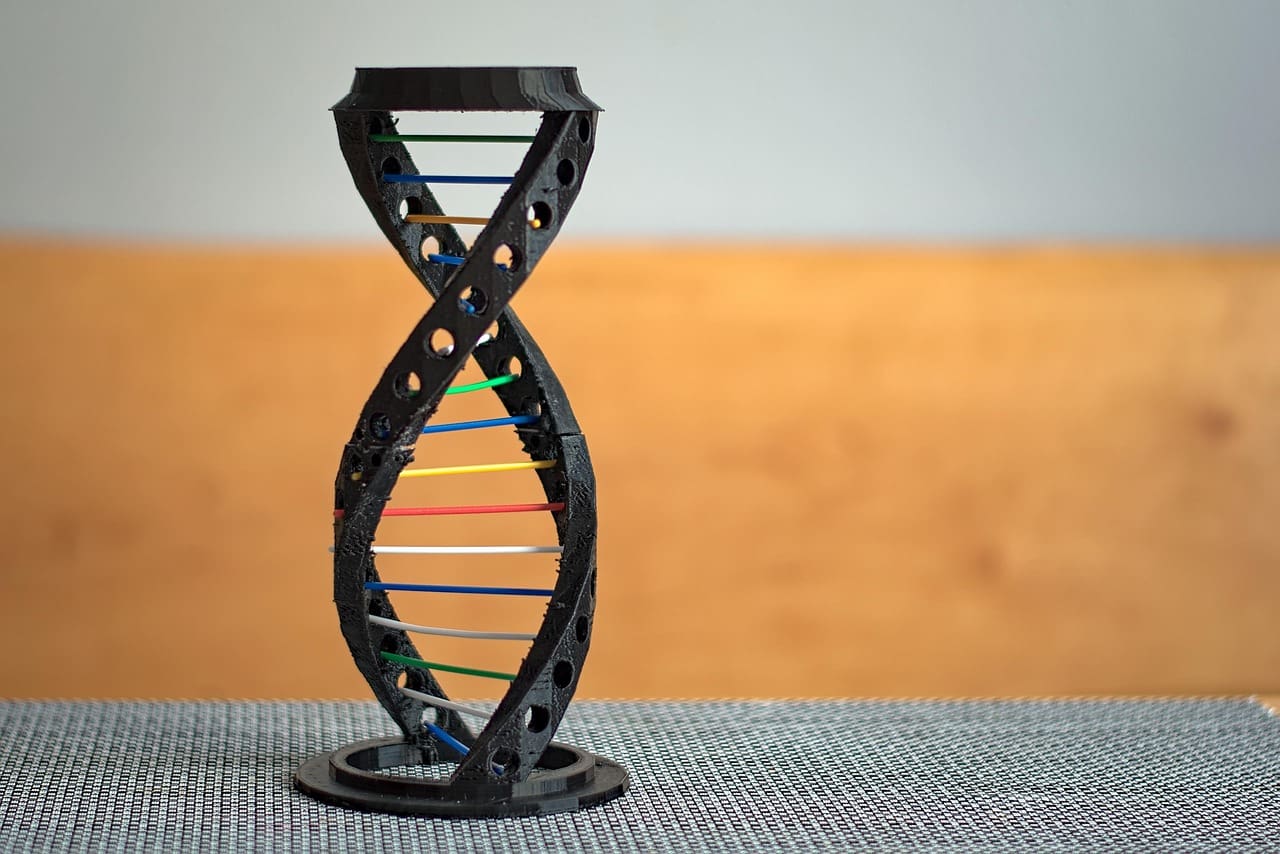
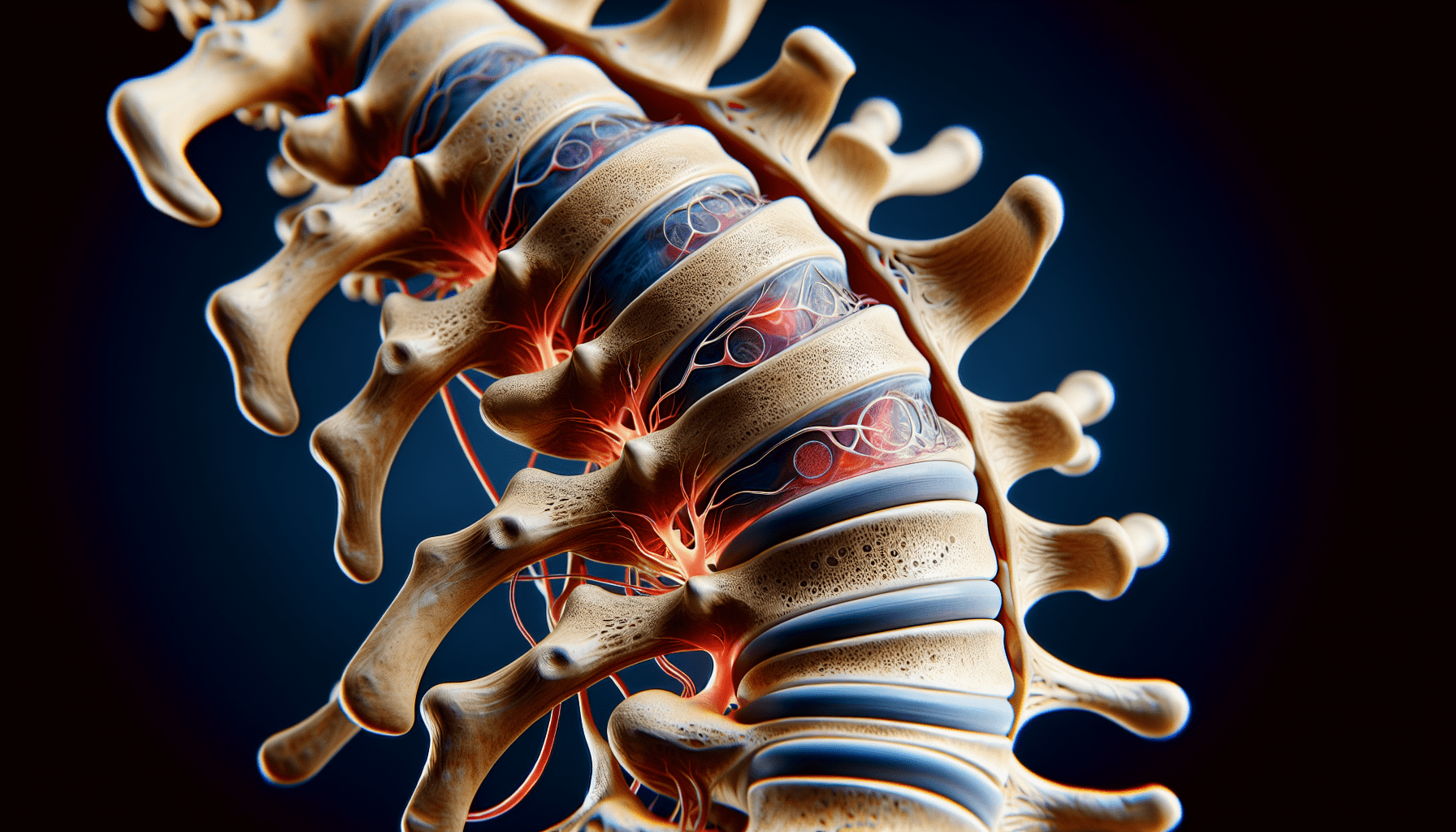
Before delving into whether genetics play a role in disc protrusion, it’s important to understand what disc protrusion is. Also known as a slipped disc or herniated disc, disc protrusion occurs when the soft cushion-like discs between the vertebrae in the spine bulge or rupture, putting pressure on the nerves in the spinal cord. This can lead to pain, numbness, tingling, and weakness in the affected area.
What Causes Disc Protrusion?
Disc protrusion can be caused by a variety of factors, including age-related wear and tear, repetitive strain or injury, poor posture, and genetics. While some of these factors are within your control, others, such as genetics, are predetermined. Understanding how genetics may contribute to disc protrusion can help individuals take proactive measures to prevent or manage this condition.
The Role of Genetics in Disc Protrusion
Genetics play a significant role in determining the health and structure of our spinal discs. Research has shown that certain genetic factors can increase the risk of developing disc protrusion. These genetic predispositions can affect the strength and integrity of the discs, making them more susceptible to damage and protrusion.
Genetic Variants Associated with Disc Protrusion
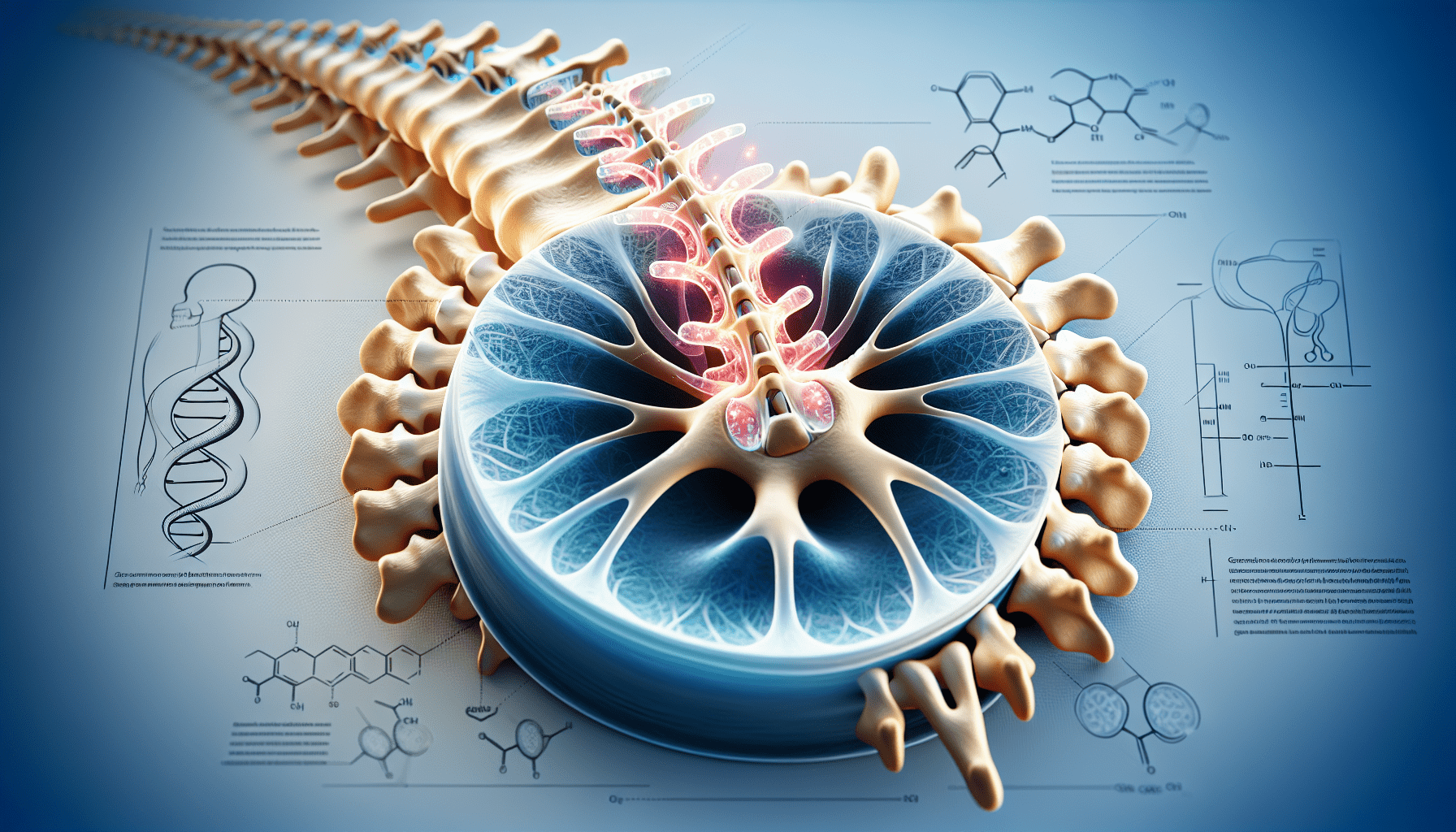
Several genetic variants have been identified as potential risk factors for disc protrusion. These variants are typically associated with genes that control the production of collagen, a protein that plays a crucial role in maintaining the structure and elasticity of the spinal discs. Variations in these genes can lead to abnormalities in collagen production, weakening the discs and making them more prone to bulging or herniation.
Familial Patterns of Disc Protrusion
Studies have shown that disc protrusion tends to run in families, suggesting a strong genetic component to this condition. Individuals with a family history of disc protrusion are more likely to develop the condition themselves, compared to those with no genetic predisposition. This familial pattern underscores the importance of understanding your genetic risk factors and taking proactive steps to prevent disc protrusion.

Genetic Testing for Disc Protrusion
Advancements in genetic testing have made it possible to identify individuals at risk for disc protrusion based on their genetic profile. Genetic tests can reveal specific gene variants associated with an increased risk of developing disc protrusion, allowing healthcare providers to tailor prevention and treatment strategies accordingly. By undergoing genetic testing, you can gain valuable insights into your genetic predisposition and take proactive measures to protect your spinal health.
Benefits of Genetic Testing
Genetic testing for disc protrusion offers several key benefits, including:
- Early identification of genetic risk factors
- Personalized treatment plans based on individual genetic profile
- Enhanced prevention strategies to mitigate genetic risk
By leveraging the information provided by genetic testing, individuals can make informed decisions about their spinal health and take proactive steps to reduce their risk of developing disc protrusion.
How to Get Genetic Testing for Disc Protrusion
If you are concerned about your genetic risk for disc protrusion, talk to your healthcare provider about genetic testing options. A simple genetic test can provide valuable insights into your genetic predisposition for disc protrusion and help guide your treatment and prevention plan. Your healthcare provider can recommend a reputable genetic testing provider and help you interpret the results in the context of your overall health.

Lifestyle Factors and Disc Protrusion
While genetics play a significant role in determining the risk of disc protrusion, lifestyle factors also contribute to the development of this condition. Adopting healthy habits and making positive lifestyle choices can help reduce your risk of disc protrusion and promote overall spinal health.
Importance of Proper Posture
Maintaining good posture is essential for supporting the spine and reducing the risk of disc protrusion. Poor posture puts undue stress on the spinal discs, leading to compression and potential herniation. By practicing good posture habits, such as sitting and standing up straight, you can alleviate strain on your spine and lower the risk of disc protrusion.
Regular Exercise and Physical Activity
Engaging in regular exercise and physical activity can strengthen the muscles surrounding the spine and improve spinal alignment. Strong core muscles and a flexible spine are essential for supporting the spinal discs and reducing the risk of disc protrusion. Incorporate activities like yoga, Pilates, or swimming into your routine to promote spinal health and prevent disc protrusion.
Healthy Weight Management
Maintaining a healthy weight is crucial for reducing the strain on the spinal discs and preventing disc protrusion. Excess body weight can put additional pressure on the spine, leading to wear and tear on the discs and increasing the risk of protrusion. By adopting a balanced diet and staying active, you can manage your weight and protect your spine from the negative effects of obesity.
Preventative Measures for Disc Protrusion
Although genetics can influence the risk of disc protrusion, there are proactive steps you can take to prevent the development of this condition. By adopting healthy habits and making positive lifestyle choices, you can safeguard your spinal health and reduce the likelihood of disc protrusion.
Maintain a Strong Core
A strong core is essential for supporting the spine and reducing the risk of disc protrusion. Incorporate core-strengthening exercises, such as planks, crunches, and bridges, into your workout routine to build stability and strength in the muscles surrounding the spine. A strong core can help prevent excessive pressure on the spinal discs and lower the risk of protrusion.
Practice Proper Lifting Techniques
Improper lifting techniques can strain the spine and increase the risk of disc protrusion. When lifting heavy objects, bend your knees, keep your back straight, and use the strength of your legs to lift the load. Avoid twisting or jerking motions while lifting, as these movements can place undue stress on the spinal discs and lead to injury. By practicing safe lifting techniques, you can protect your spine from damage and reduce the risk of disc protrusion.
Stay Active and Engage in Spinal Health Activities
Regular physical activity is crucial for maintaining spinal health and reducing the risk of disc protrusion. Incorporate activities that promote spinal alignment and flexibility, such as yoga, Pilates, and swimming, into your routine. These exercises can strengthen the muscles surrounding the spine, improve posture, and alleviate strain on the spinal discs. By staying active and engaging in spinal health activities, you can protect your spine from the negative effects of inactivity and reduce the likelihood of disc protrusion.
Conclusion
In conclusion, genetics play a significant role in determining the risk of disc protrusion. Certain genetic variants can predispose individuals to developing this condition, making them more susceptible to disc herniation. By understanding your genetic risk factors and adopting healthy habits, you can reduce the likelihood of disc protrusion and protect your spinal health. Consider undergoing genetic testing for disc protrusion to gain valuable insights into your genetic predisposition and take proactive steps to safeguard your spine. Remember to prioritize proper posture, regular exercise, and healthy lifestyle choices to lower your risk of disc protrusion and promote overall spinal health. By taking proactive measures and making informed decisions, you can protect your spine and enjoy a healthy, pain-free life.