Welcome to the intriguing discussion about whether certain leisure activities can increase the risk of disc protrusion. In this article, you will explore the potential connection between specific leisure activities and the development of disc protrusion. By delving into this topic, you will gain a better understanding of how your choice of leisure activities could potentially impact your spinal health. So sit back, relax, and let’s uncover the relationship between leisure activities and disc protrusion. Are you an avid lover of leisure activities but concerned about the potential risks it may pose to your spinal health? In this article, we will explore whether specific leisure activities are associated with an increased risk of disc protrusion. Let’s delve into the details and find out how you can continue to enjoy your favorite activities while prioritizing the health of your spine.
What is Disc Protrusion?
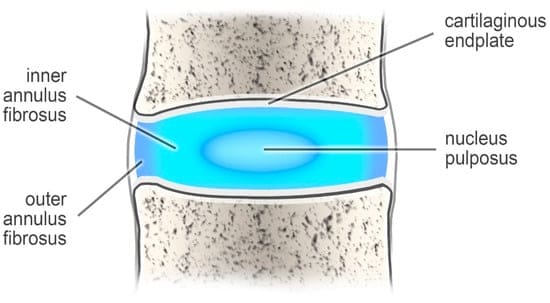
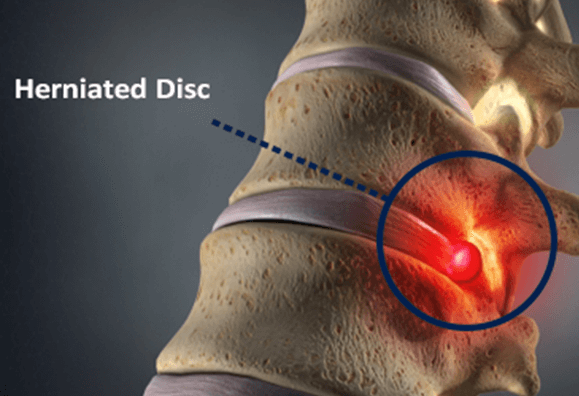
Before we discuss the potential impact of leisure activities on disc protrusion, let’s first understand what disc protrusion is. Disc protrusion, also known as a herniated disc, occurs when the soft gel-like center of a spinal disc pushes through a tear in the outer layer of the disc. This can lead to compression of nearby nerves, causing pain, numbness, and weakness in the affected area.
Let’s break it down:
Imagine the spinal disc as a jelly-filled donut. When the jelly protrudes or leaks out due to a crack in the outer layer, it can put pressure on nearby nerves, causing discomfort and potential complications.

Common Leisure Activities and Their Potential Impact on Spinal Health
Now that we have a basic understanding of disc protrusion, let’s explore some common leisure activities and their potential impact on spinal health.
Running and High-Impact Activities
Running and other high-impact activities can be great for cardiovascular health and overall fitness. However, the repetitive stress and impact on the spine that come with these activities can increase the risk of disc protrusion, especially for individuals with underlying spinal issues.
Weightlifting and Strength Training
Weightlifting and strength training are excellent ways to build muscle and improve strength. However, improper form, lifting too heavy weights, or neglecting proper warm-up and cool-down routines can put excessive strain on the spine and increase the risk of disc protrusion.
Yoga and Pilates
Yoga and Pilates are popular low-impact exercises that focus on flexibility, core strength, and overall body alignment. These activities can be beneficial for spinal health by promoting proper posture and spinal alignment, reducing the risk of disc protrusion.
Golf and Tennis
Sports like golf and tennis require repetitive twisting and bending movements, which can put stress on the spine and increase the risk of disc protrusion, especially if proper technique and form are not maintained.
Swimming and Low-Impact Cardio
Swimming and low-impact cardio exercises are gentle on the joints and spine while still providing a great workout. These activities can help improve cardiovascular fitness without putting excessive strain on the spine, reducing the risk of disc protrusion.
How to Minimize the Risk of Disc Protrusion During Leisure Activities
While some leisure activities may pose a higher risk of disc protrusion, there are steps you can take to minimize this risk and protect your spinal health.
Proper Warm-Up and Cool-Down
Always warm up your muscles before engaging in any physical activity to prepare them for the upcoming stress. Similarly, cool down after your workout to help your muscles recover and prevent stiffness and soreness.
Maintain Proper Form
Whether you’re running, lifting weights, or practicing yoga, maintaining proper form is crucial to prevent unnecessary strain on the spine. Focus on alignment and technique to reduce the risk of disc protrusion.
Listen to Your Body
Pay attention to any signs of discomfort or pain during your leisure activities. If you experience pain, numbness, or weakness, stop the activity and seek medical attention to prevent further injury to your spine.
Stay Active and Mobile
Regular physical activity is essential for maintaining a healthy spine. Incorporate a mix of cardiovascular, strength training, and flexibility exercises into your routine to support spinal health and reduce the risk of disc protrusion.
Seek Professional Guidance
If you’re unsure about the safety of certain leisure activities for your spinal health, consider consulting with a physical therapist or healthcare provider. They can provide personalized recommendations to help you enjoy your favorite activities without compromising your spinal health.

Conclusion
In conclusion, while specific leisure activities may be associated with an increased risk of disc protrusion, there are steps you can take to protect your spinal health and continue enjoying your favorite activities. By maintaining proper form, listening to your body, and seeking professional guidance when needed, you can reduce the risk of disc protrusion and support a healthy spine. Remember, your spinal health is crucial, so prioritize it while staying active and engaged in the leisure activities you love.