
Are you struggling with disc protrusion? Here are the best diet and nutrition tips to help you manage your condition effectively.
Dealing with disc protrusion can be a challenging experience, but making strategic changes to your diet and nutrition can greatly improve your symptoms and overall well-being. By incorporating certain foods and nutrients into your daily routine, you can help alleviate pain, reduce inflammation, and support optimal healing. Keep reading to discover the best diet and nutrition tips for disc protrusion patients.

Proper Hydration Is Key
Staying properly hydrated is crucial for disc protrusion patients as it helps maintain the health and hydration of spinal discs. Dehydration can worsen symptoms by reducing the disc’s ability to absorb shock and support the spine, leading to increased pain and discomfort. Aim to drink at least 8-10 glasses of water per day to keep your discs well-hydrated and functioning optimally.
Increase Your Omega-3 Intake
Omega-3 fatty acids are known for their anti-inflammatory properties, making them a valuable addition to the diet of disc protrusion patients. Foods rich in omega-3s, such as fatty fish (salmon, mackerel, sardines), flaxseeds, chia seeds, and walnuts, can help reduce inflammation in the body and alleviate pain associated with disc protrusion. Consider incorporating these foods into your meals regularly to reap the benefits of their anti-inflammatory effects.
Embrace a Plant-Based Diet
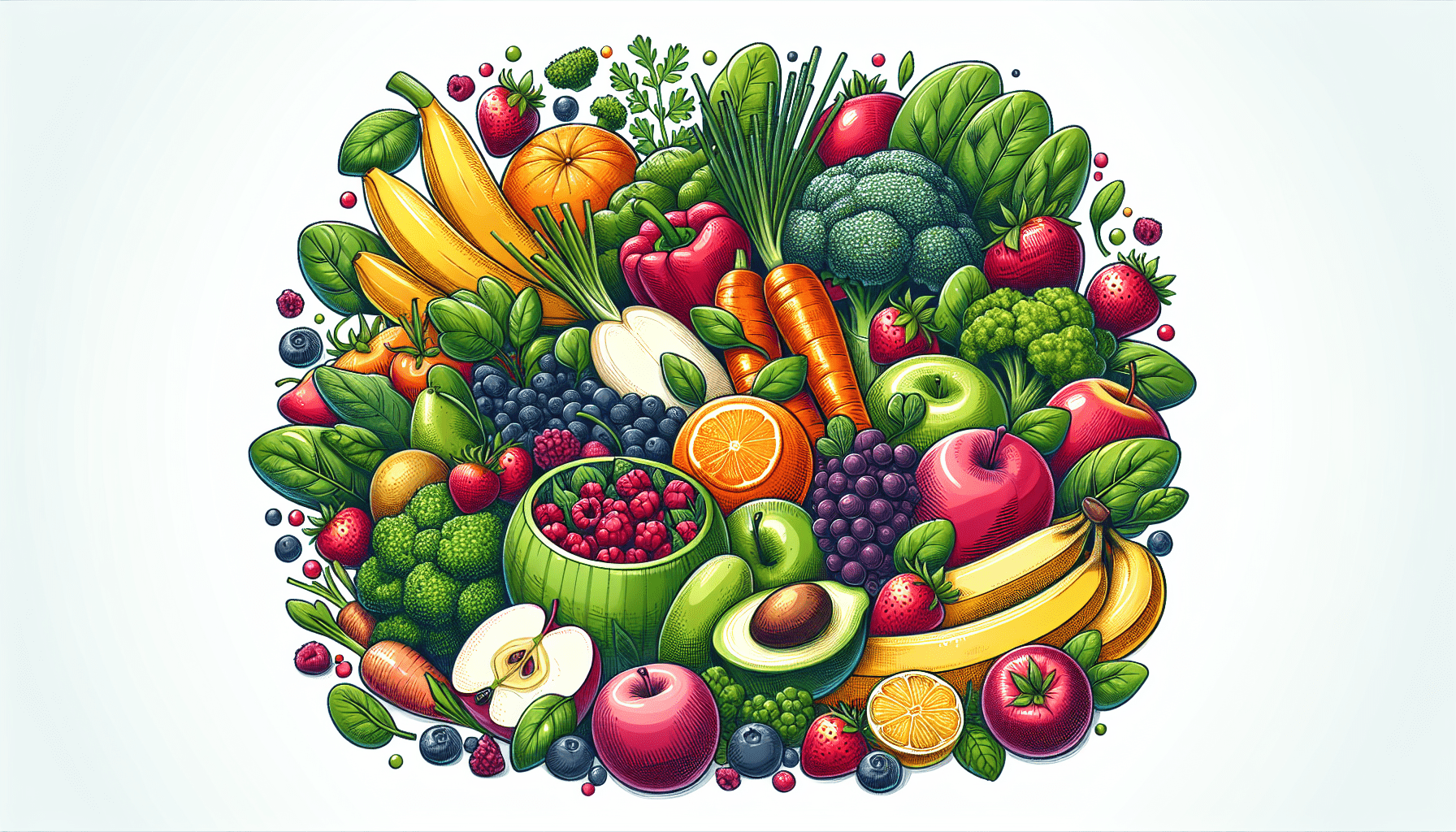
A plant-based diet rich in fruits, vegetables, whole grains, legumes, nuts, and seeds can provide essential nutrients and antioxidants needed for healing and overall health. Plant foods are naturally anti-inflammatory and can help reduce swelling and pain associated with disc protrusion. Try to fill your plate with a variety of colorful fruits and vegetables to ensure you’re getting a broad spectrum of nutrients to support your recovery.
Prioritize Protein-Rich Foods
Protein is essential for muscle repair, recovery, and overall strength, which is especially important for disc protrusion patients looking to support their spine and surrounding muscles. Incorporate lean sources of protein such as poultry, fish, eggs, tofu, beans, and lentils into your meals to promote healing and maintain muscle mass. Aim to include protein in every meal to support your overall health and recovery.

Reduce Inflammatory Foods
Certain foods can exacerbate inflammation in the body and worsen symptoms for disc protrusion patients. To manage pain and discomfort effectively, consider reducing or eliminating inflammatory foods such as processed foods, sugary snacks, fried foods, red meat, and dairy products. Instead, focus on whole, nutrient-dense foods that support healing and reduce inflammation in the body.
Load Up on Antioxidants
Antioxidants are powerful compounds that help fight inflammation, oxidative stress, and damage in the body, making them essential for disc protrusion patients looking to support their recovery. Foods rich in antioxidants, such as berries, leafy greens, nuts, seeds, and brightly colored vegetables, can help reduce inflammation, promote healing, and protect the body from further damage. Incorporate these antioxidant-rich foods into your meals to support optimal health and well-being.

Incorporate Bone-Healthy Foods
Maintaining strong and healthy bones is crucial for disc protrusion patients to support the spine and prevent further complications. Including bone-healthy foods in your diet, such as dairy products, leafy greens, nuts, seeds, and fortified foods, can provide essential nutrients like calcium, vitamin D, and magnesium needed for bone health and strength. Make sure to incorporate these foods regularly to support your skeletal system and overall well-being.
Mindful Eating Practices
Practicing mindful eating can help disc protrusion patients tune into their body’s signals, make healthier food choices, and support their overall well-being. Paying attention to hunger and fullness cues, eating slowly, and savoring each bite can help you become more in tune with your body’s needs and prevent overeating or making unhealthy food choices. Try to eat without distractions and focus on nourishing your body with nutrient-rich foods to support your recovery and well-being.
Supplement Wisely
In some cases, disc protrusion patients may benefit from certain supplements to support their recovery and overall health. Consult with a healthcare provider or registered dietitian to determine if you could benefit from supplements such as omega-3 fatty acids, vitamin D, magnesium, or glucosamine and chondroitin. These supplements can help fill nutrient gaps, support healing, and manage symptoms associated with disc protrusion when used appropriately and under professional guidance.
Practice Portion Control
Managing portion sizes can help disc protrusion patients maintain a healthy weight, reduce strain on the spine, and support overall health. Eating appropriate portion sizes can prevent overeating, support digestion, and promote stable blood sugar levels, all of which are important for managing symptoms and promoting healing. Use measuring cups, plates, or your hands to gauge appropriate portion sizes and practice mindful eating to tune into your body’s hunger and fullness cues.
Limit Added Sugars
High intake of added sugars can contribute to inflammation, weight gain, and other health issues that can worsen symptoms for disc protrusion patients. Limiting added sugars from sugary beverages, processed foods, desserts, and snacks can help reduce inflammation, manage weight, and support overall health. Opt for natural sources of sweetness like fruits, honey, or maple syrup, and read labels to identify and limit foods high in added sugars for better symptom management.
Seek Professional Guidance
Managing your diet and nutrition effectively as a disc protrusion patient can be complex, especially with individual dietary needs and preferences to consider. Seeking guidance from a healthcare provider, registered dietitian, or nutritionist can help you create a personalized nutrition plan that meets your specific needs, supports your recovery, and optimizes your overall health. These professionals can provide expert advice, answer questions, and offer support to help you navigate your dietary choices and ensure you’re on the right path to healing and well-being.
Stay Consistent
Consistency is key when implementing diet and nutrition changes to manage disc protrusion effectively. Stick to your nutrition plan, make gradual adjustments, and track your progress to see how dietary changes impact your symptoms and overall well-being. By staying consistent with your dietary choices and focusing on foods that support healing and recovery, you can effectively manage your condition and improve your quality of life over time.
Conclusion
Incorporating the best diet and nutrition tips for disc protrusion patients into your daily routine can help you manage your symptoms, reduce inflammation, promote healing, and support your overall health and well-being. By prioritizing hydration, omega-3s, plant-based foods, protein, antioxidants, bone-healthy foods, mindful eating, supplements, portion control, and limiting added sugars, you can optimize your nutrition to support your recovery effectively. Seek professional guidance, stay consistent with your dietary choices, and pay attention to your body’s signals to ensure you’re on the right path to healing and well-being as a disc protrusion patient.