
Best Ways To Relieve Symptoms Of Disc Protrusion
Are you experiencing discomfort and pain due to disc protrusion? Discover some of the best ways to alleviate your symptoms and improve your quality of life.
Understanding Disc Protrusion
Before diving into the different ways to relieve symptoms of disc protrusion, it’s essential to understand what this condition entails. Disc protrusion, also known as a herniated or slipped disc, occurs when the soft jelly-like center of a spinal disc pushes through a tear in the disc’s outer layer. This can lead to nerve compression and result in pain, numbness, or weakness in the affected area.
Seeking Professional Medical Evaluation
If you suspect that you have disc protrusion, the first and most crucial step is to seek professional medical evaluation. A healthcare provider will be able to diagnose your condition through a physical examination, review of symptoms, and possibly imaging tests such as X-rays or MRIs. Once you have an accurate diagnosis, your healthcare provider can recommend the most appropriate treatment plan for your situation.
Physical Therapy and Exercise
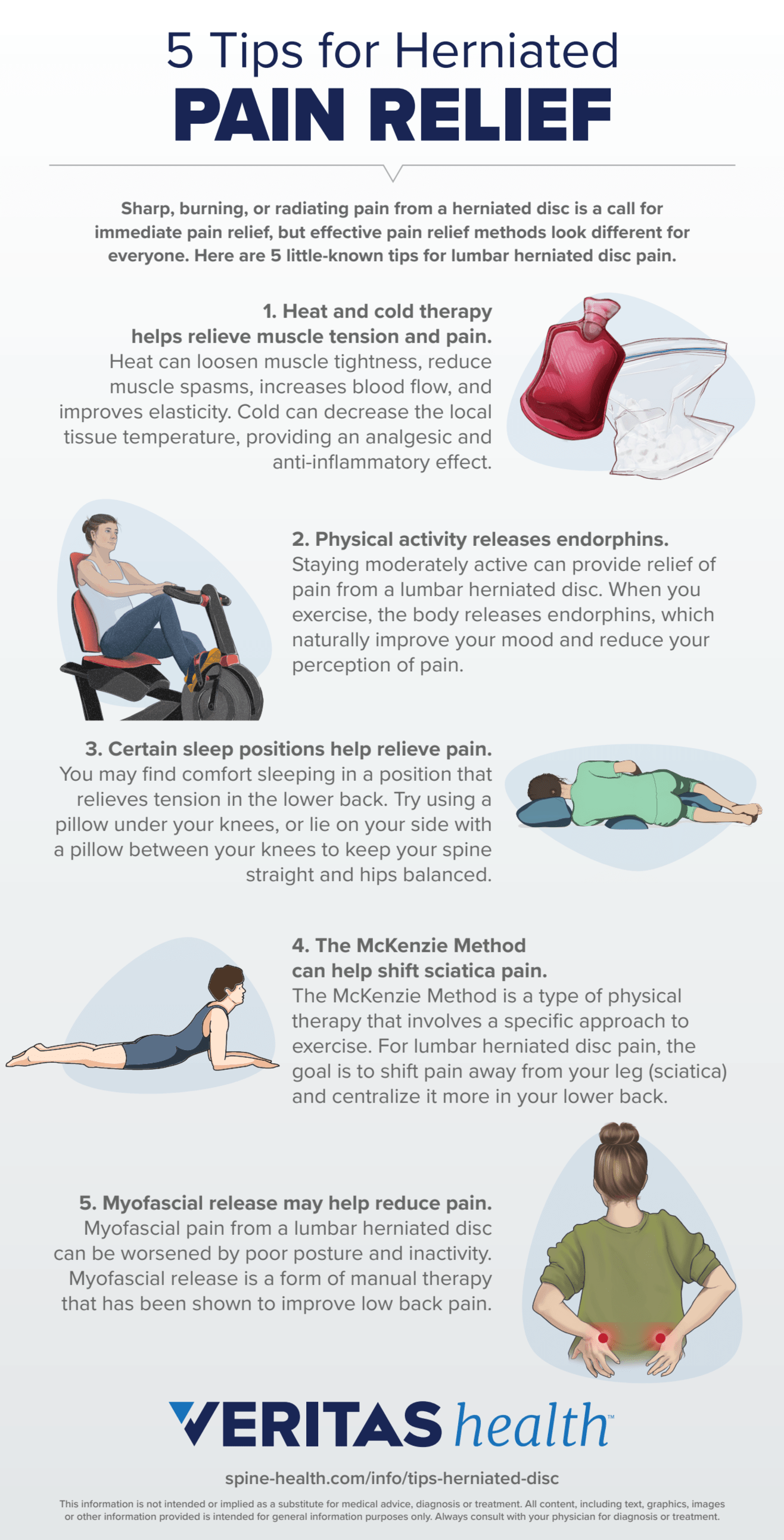
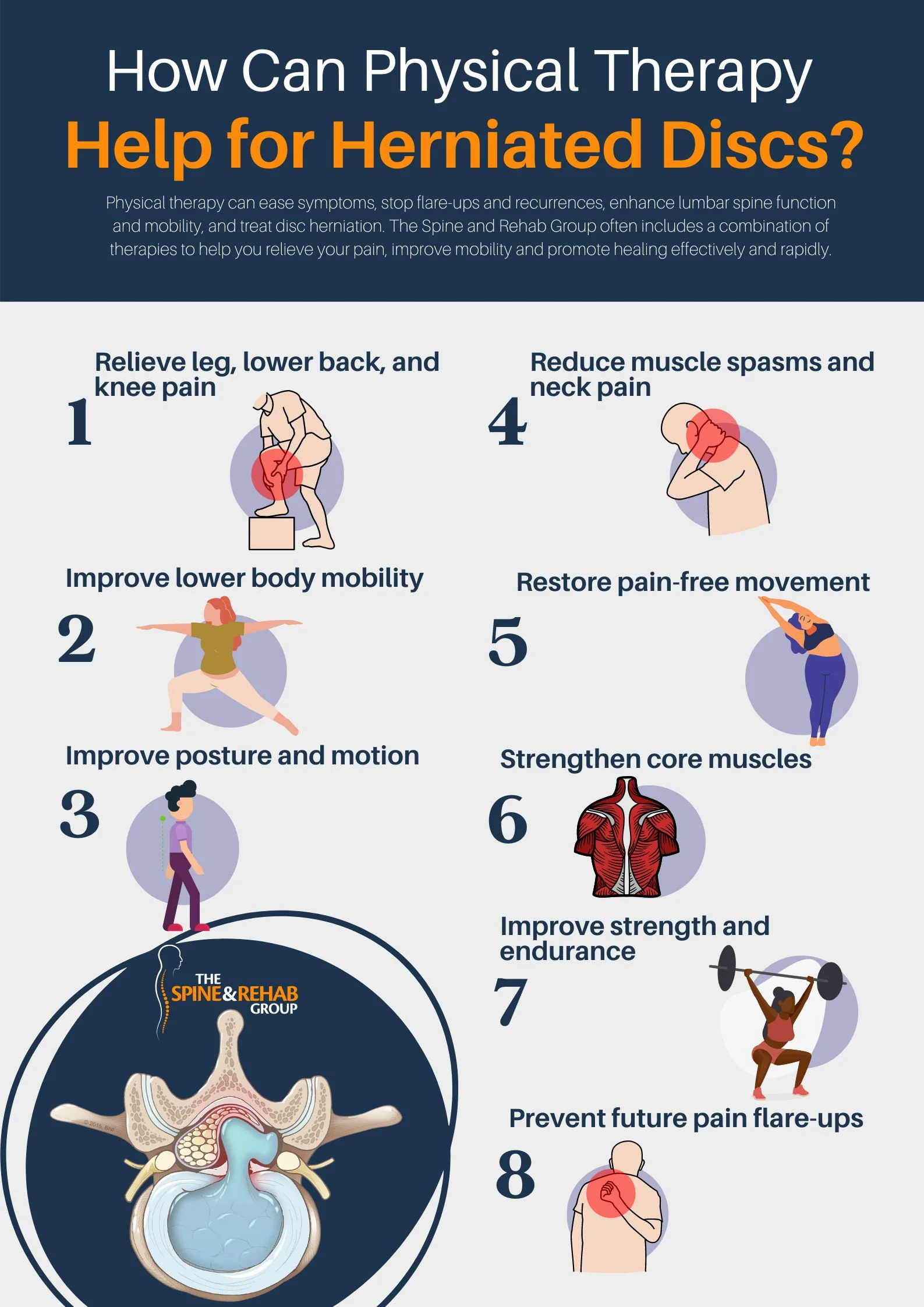
Physical therapy and exercise are crucial components of a comprehensive treatment plan for disc protrusion. A physical therapist can design a personalized exercise program to strengthen your core muscles, improve flexibility, and alleviate pressure on the affected disc. Regular exercise can also help reduce inflammation, improve blood flow, and promote healing in the affected area.
Pain Management Strategies
Managing pain is essential when dealing with disc protrusion. Over-the-counter pain medications such as ibuprofen or acetaminophen can help relieve mild to moderate pain. In some cases, your healthcare provider may prescribe stronger medications or muscle relaxants to alleviate severe pain. It’s essential to follow your healthcare provider’s recommendations regarding medication use to avoid potential side effects and complications.
Heat and Cold Therapy
Applying heat or cold therapy to the affected area can help reduce inflammation, alleviate pain, and promote healing. Heat therapy, such as using a heating pad or warm compress, can help relax tight muscles and improve blood circulation. Cold therapy, such as using an ice pack or cold compress, can help numb the area and reduce swelling. Alternating between heat and cold therapy can provide significant relief for symptoms of disc protrusion.
Ergonomic Modifications
Making ergonomic modifications to your daily routine and work environment can help alleviate symptoms of disc protrusion. Using proper body mechanics, such as lifting with your legs instead of your back, can prevent further injury to your spine. Investing in ergonomic furniture, such as an adjustable chair and workstation, can help maintain proper posture and reduce strain on your spine. Making small changes to your daily habits can have a significant impact on relieving symptoms of disc protrusion.
Traction Therapy
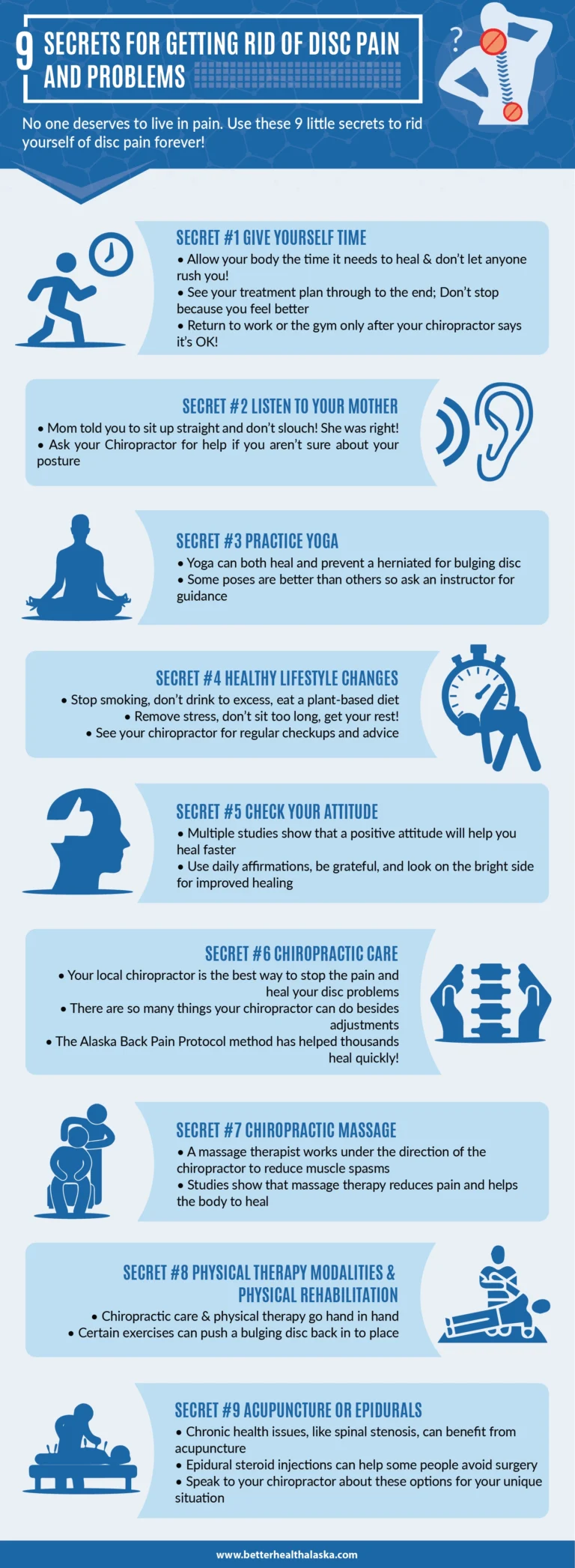
Traction therapy is a non-invasive treatment option that can help decompress the spine and alleviate symptoms of disc protrusion. During traction therapy, a healthcare provider applies gentle pulling forces to the spine to create space between the vertebrae and relieve pressure on the affected disc. This can help reduce nerve compression, improve circulation, and promote healing in the affected area. Traction therapy can be done in a clinical setting or at home with the use of specialized equipment.
Supportive Braces
Using supportive braces can provide additional support and stability to the affected area, reducing pain and discomfort associated with disc protrusion. There are various types of braces available, including lumbar belts, posture correctors, and compression garments, designed to support different areas of the spine. Your healthcare provider can recommend the most suitable type of brace based on your specific needs and symptoms. Wearing a supportive brace during physical activities or periods of increased pain can help prevent further injury and promote healing.

Massage Therapy
Massage therapy can be a beneficial adjunct treatment for relieving symptoms of disc protrusion. A licensed massage therapist can target tight muscles, release tension, and improve circulation in the affected area. Regular massage sessions can help reduce pain, improve flexibility, and promote relaxation, leading to overall improvement in your symptoms. It’s essential to communicate with your massage therapist about your specific symptoms and preferences to ensure a safe and effective treatment session.
Acupuncture
Acupuncture is an ancient Chinese healing technique that involves inserting thin needles into specific points on the body to stimulate energy flow and promote healing. Acupuncture can be an effective treatment option for relieving pain and inflammation associated with disc protrusion. The process of acupuncture is generally painless and relaxing, with many people reporting significant improvements in their symptoms after regular sessions. If you’re considering acupuncture as part of your treatment plan, be sure to consult with a licensed acupuncture provider to ensure safe and effective treatment.

Yoga and Pilates
Yoga and Pilates are low-impact exercises that focus on improving flexibility, strength, and balance. These mind-body practices can be beneficial for individuals with disc protrusion as they help promote proper alignment, core stability, and stress reduction. Participating in yoga or Pilates classes under the guidance of a qualified instructor can help you learn proper techniques and modifications to avoid exacerbating your symptoms. Incorporating yoga or Pilates into your regular exercise routine can provide long-term benefits and help manage symptoms of disc protrusion.
Dietary Changes
Making dietary changes can play a significant role in alleviating symptoms of disc protrusion and promoting overall health. Consuming a diet rich in anti-inflammatory foods, such as fruits, vegetables, whole grains, and healthy fats, can help reduce inflammation and support healing in the affected area. Avoiding processed foods, sugary drinks, and excessive caffeine can help minimize inflammation and prevent further damage to the spine. Staying hydrated, maintaining a healthy weight, and incorporating essential nutrients into your diet can support your body’s natural healing processes and improve your symptoms over time.
Mind-Body Techniques
Mind-body techniques such as meditation, deep breathing, and mindfulness practices can help manage pain, reduce stress, and promote relaxation in individuals with disc protrusion. These techniques focus on calming the mind, reducing muscle tension, and improving overall well-being. Practicing mindfulness and relaxation techniques regularly can help you cope with pain and discomfort, improve your mental outlook, and enhance your quality of life. Consider incorporating mind-body practices into your daily routine to complement other treatment strategies for disc protrusion.
Surgical Intervention
In some cases, surgical intervention may be necessary to address severe symptoms of disc protrusion that do not respond to conservative treatments. A healthcare provider will recommend surgery if there is significant nerve compression, loss of muscle function, or severe pain that impairs daily activities. Different surgical options are available, such as discectomy, laminectomy, or spinal fusion, depending on the severity and location of the affected disc. It’s essential to discuss the risks, benefits, and expected outcomes of surgery with your healthcare provider to make an informed decision about your treatment plan.
Final Thoughts
Relieving symptoms of disc protrusion requires a multi-faceted approach that addresses physical, emotional, and lifestyle factors. By incorporating various treatment strategies such as physical therapy, pain management, traction therapy, supportive braces, and alternative therapies, you can effectively manage your symptoms and improve your quality of life. Remember to work closely with your healthcare provider to develop a personalized treatment plan that meets your unique needs and preferences. With the right combination of treatments and a positive outlook, you can successfully relieve symptoms of disc protrusion and regain control of your health and well-being.