
Can Certain Household Activities Increase The Likelihood Of Disc Protrusion?
Have you ever wondered if certain activities you do around the house could potentially increase your risk of developing disc protrusion? In this article, we will explore common household activities that could contribute to this painful spinal condition. Understanding these factors can help you make more informed choices to protect your spine health. Let’s dive into the details.

Understanding Disc Protrusion
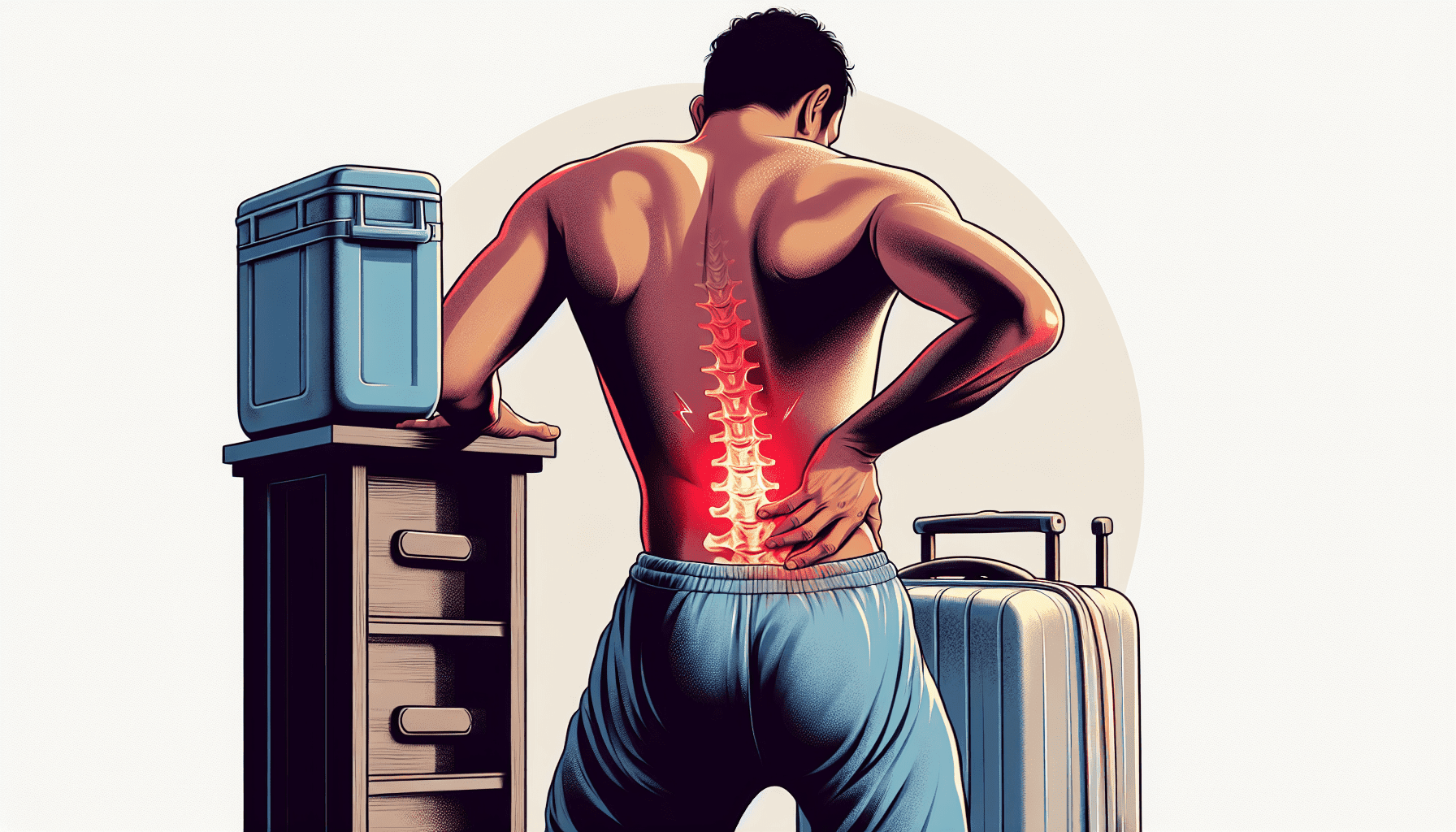
Before we delve into specific household activities, let’s first understand what disc protrusion is. Also known as a herniated or slipped disc, disc protrusion occurs when the soft inner core of a spinal disc pushes through the tough outer layer. This can irritate nearby nerves and lead to symptoms such as localized pain, numbness, tingling, and weakness in the affected area.
Understanding the mechanism behind disc protrusion can help you recognize how certain household activities may contribute to this condition. Let’s take a closer look at some common activities that could potentially increase the likelihood of disc protrusion.
Lifting Heavy Objects
One of the most common causes of disc protrusion is lifting heavy objects incorrectly. When you lift a heavy object, the pressure on your spinal discs increases significantly. If you bend forward at the waist instead of using your legs to lift, this places excessive strain on your spinal discs and can lead to disc protrusion over time.
To prevent disc protrusion while lifting heavy objects, always remember to bend your knees and keep your back straight. This engages the muscles in your legs instead of placing all the pressure on your spine. If the object is too heavy to lift on your own, don’t hesitate to ask for help. Protecting your spine health is crucial in avoiding painful conditions like disc protrusion.
Prolonged Sitting
In today’s modern lifestyle, many of us spend long hours sitting at a desk or in front of a computer. Prolonged sitting can weaken the muscles in your core and lower back, increasing the risk of disc protrusion. When you sit for extended periods without taking breaks to stretch and move around, this places constant pressure on your spinal discs and can contribute to their deterioration over time.
To prevent disc protrusion from prolonged sitting, make it a habit to take short breaks every hour to stand up, stretch, and walk around. Simple movements like shoulder rolls, neck stretches, and gentle twists can help keep your spine flexible and reduce the risk of disc protrusion. Incorporating regular exercise into your routine can also strengthen your core and back muscles, providing better support for your spine.
Improper Posture
Another factor that can increase the likelihood of disc protrusion is improper posture. Slouching, hunching over, or maintaining an awkward position for an extended period can place unnecessary strain on your spinal discs and surrounding muscles. Over time, this can weaken the structures of your spine and lead to disc protrusion.
To maintain proper posture and reduce the risk of disc protrusion, be mindful of how you sit, stand, and move throughout the day. Sit with your back straight, shoulders relaxed, and feet flat on the floor. When standing, distribute your weight evenly on both feet and avoid locking your knees. Pay attention to your posture while performing everyday activities like cooking, cleaning, or watching TV to protect your spine health.

Household Chores
When it comes to household activities, certain chores can also contribute to the development of disc protrusion. Tasks that involve repetitive bending, twisting, or lifting heavy objects, such as vacuuming, mopping, and gardening, can put a strain on your spine and increase the risk of disc protrusion.
To minimize the risk of disc protrusion during household chores, use proper lifting techniques, take frequent breaks, and alternate tasks to avoid prolonged periods of repetitive movement. Consider using assistive devices like a dolly or a long-handled tool to reduce the strain on your spine while cleaning or gardening. Prioritize your spine health by being mindful of your body mechanics and taking breaks when needed.
Sedentary Lifestyle
Leading a sedentary lifestyle, characterized by limited physical activity and prolonged periods of inactivity, can also contribute to the likelihood of disc protrusion. When you don’t engage in regular exercise or movement, your back muscles become weak and unable to support your spine effectively. This can lead to an increased risk of spinal conditions like disc protrusion.
To counteract the effects of a sedentary lifestyle and reduce the risk of disc protrusion, aim to incorporate more movement into your daily routine. Simple activities like walking, swimming, yoga, or tai chi can help strengthen your back muscles, improve flexibility, and reduce the pressure on your spinal discs. Establish a regular exercise routine that includes activities you enjoy to make it easier to stay active and protect your spine health.

Impact of Weight
Carrying excess weight can also increase the likelihood of disc protrusion. Excess body weight places additional stress on your spinal discs and can accelerate their degeneration. Over time, this can lead to disc protrusion and other spinal conditions that cause pain, numbness, and tingling in the affected areas.
To reduce the impact of weight on your spine and lower the risk of disc protrusion, focus on maintaining a healthy weight through a balanced diet and regular exercise. Eating a nutritious diet rich in fruits, vegetables, whole grains, lean proteins, and healthy fats can help you manage your weight and support your spine health. Incorporate physical activity into your daily routine to burn calories, strengthen your muscles, and reduce the strain on your spinal discs.
Preventive Measures
Now that you’re aware of the household activities that can increase the likelihood of disc protrusion, it’s essential to take preventive measures to protect your spine health. By making simple changes to your daily habits and lifestyle, you can reduce the risk of developing disc protrusion and other spinal conditions.
Here are some preventive measures to consider:
- Practice proper lifting techniques when picking up heavy objects to avoid straining your spine.
- Take regular breaks from prolonged sitting to stretch, walk around, and relieve pressure on your spinal discs.
- Maintain proper posture while sitting, standing, and performing everyday activities to support your spine health.
- Use assistive devices and ergonomic tools to minimize the strain on your spine during household chores.
- Stay active and incorporate regular exercise into your routine to strengthen your back muscles and improve flexibility.
- Manage your weight through a healthy diet and physical activity to reduce the stress on your spinal discs and lower the risk of disc protrusion.
By following these preventive measures and being mindful of your body mechanics, you can prioritize your spine health and reduce the likelihood of disc protrusion. Protecting your spine is essential for maintaining overall wellness and mobility, so make it a priority in your daily life.
Consultation with a Healthcare Provider
If you experience symptoms of disc protrusion, such as back pain, numbness, tingling, or weakness, it’s important to consult with a healthcare provider for an accurate diagnosis and appropriate treatment. A medical professional can conduct a physical examination, review your medical history, and recommend imaging tests like X-rays or MRI scans to evaluate the condition of your spine.
Based on the diagnosis, your healthcare provider can develop a treatment plan that may include physical therapy, medication, injections, or in severe cases, surgery to address disc protrusion. Seeking timely medical attention can help manage your symptoms, prevent further complications, and improve your quality of life.
Remember that your spine health is crucial for your overall well-being and mobility. By being proactive in protecting your spine through healthy habits, proper body mechanics, and regular exercise, you can reduce the likelihood of developing painful conditions like disc protrusion. Prioritize your spine health and take steps to care for your back to enjoy a healthier and more active lifestyle.
In conclusion, certain household activities can indeed increase the likelihood of disc protrusion. By understanding the risk factors associated with disc protrusion and taking preventive measures to protect your spine, you can reduce the chances of developing this painful condition. Listen to your body, prioritize your spine health, and make informed choices to maintain overall wellness. Your spine will thank you for it!