Have you found yourself in the role of caregiver for a loved one with disc protrusion? Providing support and care for someone dealing with this condition can be challenging but incredibly rewarding. In this guide, you’ll find valuable tips and strategies to help you navigate the caregiving journey effectively.
Understanding Disc Protrusion
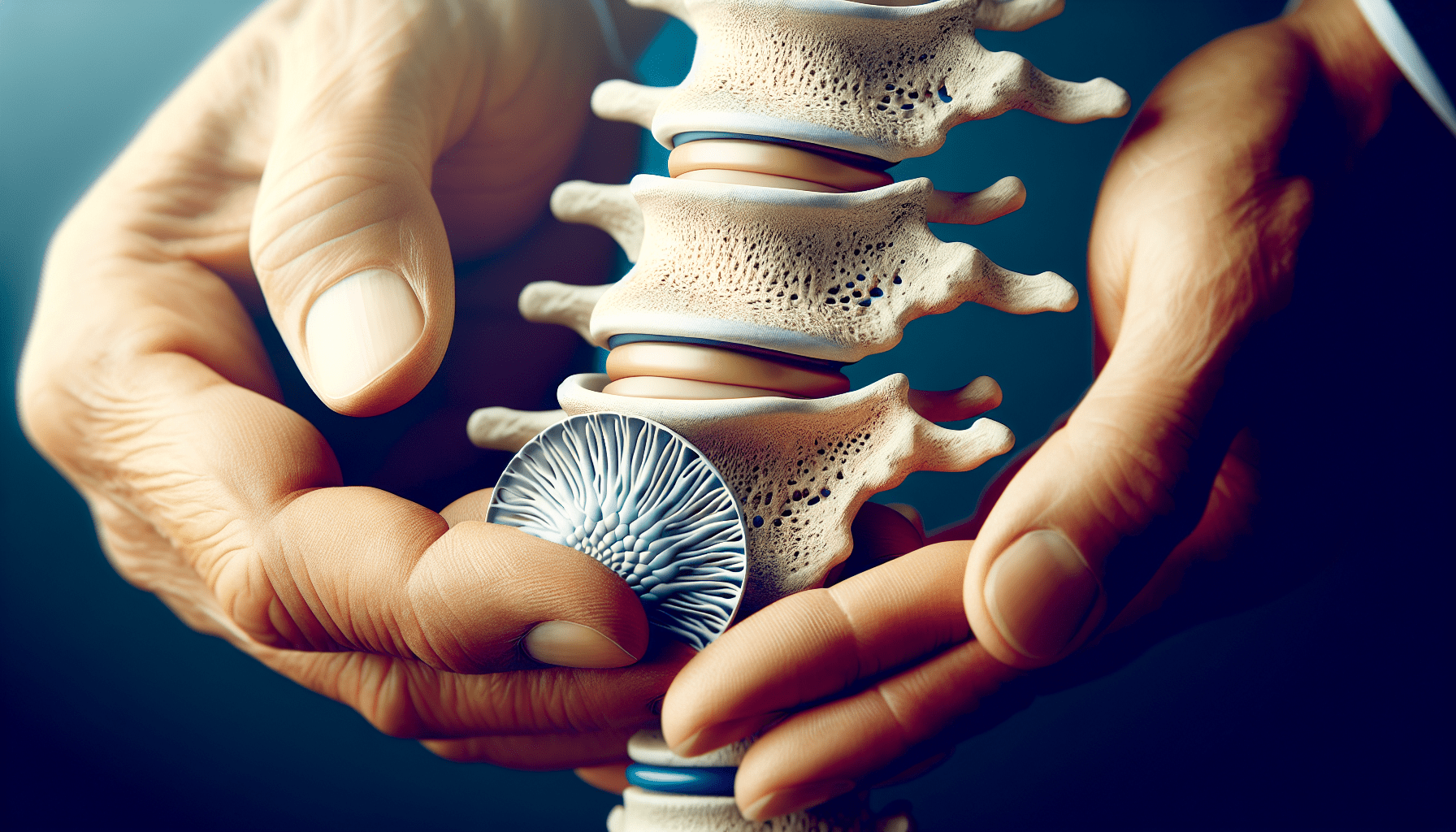
Disc protrusion, also known as a herniated disc, occurs when the cushion-like discs between the vertebrae in the spine bulge out of place. This can result in pain, numbness, and weakness in various parts of the body, depending on the location of the affected disc. Understanding the basics of disc protrusion can help you better comprehend your loved one’s condition and provide appropriate care and support.
Here are a few key points to keep in mind:
- The most common symptom of disc protrusion is back pain that radiates into the arms or legs.
- Physical therapy, medications, and surgery are common treatment options for disc protrusion.
- It’s essential to consult with a healthcare professional for an accurate diagnosis and treatment plan.
Supporting Your Loved One
As a caregiver, your role is crucial in helping your loved one manage their disc protrusion and improve their quality of life. From providing emotional support to assisting with daily tasks, your presence and care can make a significant difference.
Here are some ways you can support your loved one effectively:
- Encourage them to follow their treatment plan and attend medical appointments regularly.
- Assist them with household chores, grocery shopping, and other daily tasks that may be challenging due to their condition.
- Listen to their concerns and offer a compassionate ear when they need to talk about their pain or struggles.
Tips for Effective Communication
Open and honest communication is key to building a strong relationship with your loved one and understanding their needs. When discussing their disc protrusion, make sure to listen actively and provide feedback and suggestions that are helpful and supportive.
Providing Emotional Support
Dealing with chronic pain and physical limitations can take a toll on your loved one’s emotional well-being. Be there to offer comfort, encouragement, and empathy as they navigate through these challenging times.

Creating a Comfortable Environment
Ensuring that your loved one’s living environment is safe, comfortable, and conducive to their recovery is essential for their overall well-being. Making simple adjustments and accommodations can help them manage their disc protrusion more effectively.
Here are some ways to create a comfortable environment for your loved one:
- Arrange their living space to minimize the need for bending, twisting, or lifting heavy objects.
- Provide supportive pillows and cushions for them to use while sitting or lying down.
- Keep pathways clear of clutter and obstacles to prevent slips, trips, and falls.
Home Safety Tips
Keeping your loved one safe at home is a top priority as a caregiver. Implementing safety measures and precautions can reduce the risk of accidents and injuries, promoting a sense of security and peace of mind.
Here are some home safety tips to consider:
- Install grab bars and handrails in critical areas such as the bathroom and stairs.
- Ensure adequate lighting throughout the house to prevent falls and enhance visibility.
- Remove loose rugs and mats that could cause your loved one to trip or slip.
Encouraging Physical Activity
Engaging in regular physical activity is vital for managing disc protrusion and preventing further complications. Encouraging your loved one to stay active within their physical limitations can help strengthen their muscles, improve flexibility, and alleviate pain.
Here are some low-impact exercises that may benefit your loved one:
- Walking or light jogging to promote cardiovascular health and improve circulation.
- Swimming or water aerobics to relieve pressure on the spine and joints.
- Yoga or tai chi to enhance balance, flexibility, and relaxation.
Benefits of Physical Therapy
Working with a physical therapist can provide your loved one with personalized exercises and techniques to strengthen their core muscles, improve posture, and reduce pain associated with disc protrusion. Physical therapy sessions can also help them regain mobility and restore function in affected areas.

Managing Pain and Discomfort
Pain management is a crucial aspect of caring for a loved one with disc protrusion. Understanding your loved one’s pain levels, triggers, and coping mechanisms can help you assist them in finding relief and comfort.
Here are some ways to help your loved one manage pain and discomfort effectively:
- Assist them in taking medications as prescribed by their healthcare provider.
- Apply ice or heat packs to the affected area to reduce inflammation and alleviate pain.
- Encourage gentle massage or relaxation techniques to help relieve muscle tension and promote relaxation.
Alternative Pain Relief Options
In addition to traditional pain management methods, your loved one may benefit from alternative therapies and interventions to alleviate their discomfort. These holistic approaches can complement medical treatments and improve their overall well-being.
Here are some alternative pain relief options to consider:
- Acupuncture to stimulate specific points on the body and release pain-relieving endorphins.
- Herbal supplements or essential oils known for their analgesic and anti-inflammatory properties.
- Mind-body practices such as meditation, mindfulness, and deep breathing exercises to promote relaxation and reduce stress.
Providing Nutritious Meals
A balanced and nutritious diet is essential for supporting your loved one’s overall health and well-being, especially when dealing with a condition like disc protrusion. As a caregiver, you can play a vital role in ensuring that they receive the nutrients they need to promote healing and recovery.
Here are some dietary recommendations for your loved one:
- Include plenty of fruits, vegetables, whole grains, and lean proteins in their meals.
- Limit intake of processed foods, sugary snacks, and caffeinated beverages that may exacerbate inflammation.
- Encourage them to stay hydrated by drinking an adequate amount of water throughout the day.
Meal Planning Tips
Planning and preparing meals for your loved one can help them maintain a healthy diet and meet their nutritional needs. Creating balanced and delicious dishes that are easy to digest and full of essential vitamins and minerals can support their recovery and well-being.
Here are some meal planning tips to consider:
- Make a weekly meal plan that includes a variety of nutrient-dense foods and recipes.
- Prepare meals in advance and freeze them for easy reheating and convenience.
- Seek input from your loved one to accommodate their preferences, dietary restrictions, and sensitivities.

Seeking Respite Care
As a caregiver, it’s essential to prioritize your own well-being and take breaks when needed to recharge and rejuvenate. Seeking respite care services can provide you with temporary relief from your caregiving duties, allowing you to rest and recover from the demands of caring for your loved one.
Here are some respite care options to consider:
- Enlist the help of family members, friends, or neighbors to assist you with caregiving tasks.
- Explore community resources and support groups that offer respite care services for caregivers.
- Consider hiring a professional caregiver or home health aide to provide temporary assistance and relief.
The Importance of Self-Care
Taking care of yourself is just as important as caring for your loved one with disc protrusion. Remember to prioritize your physical, emotional, and mental well-being, and seek support when you need it. By practicing self-care and setting boundaries, you can continue to provide quality care for your loved one while maintaining your own health and happiness.
Conclusion
Caring for a loved one with disc protrusion can be a challenging but fulfilling experience. By understanding the condition, providing support and encouragement, creating a comfortable environment, encouraging physical activity, managing pain and discomfort, providing nutritious meals, seeking respite care, and prioritizing self-care, you can make a positive impact on your loved one’s journey to recovery and well-being. Remember that you are not alone on this caregiving path, and there are resources and support systems available to help you navigate the challenges and rewards of caring for someone with disc protrusion.