
Hello there! If you’re looking to prevent disc protrusion and keep your spine healthy, then it’s important to be mindful of common mistakes that can inadvertently contribute to this condition. From poor posture to improper lifting techniques, simple adjustments in your daily habits can make a big impact in protecting your spinal health. In this article, we will discuss some key mistakes to avoid in order to effectively prevent disc protrusion and keep your spine in tip-top shape.
“Are you struggling with disc protrusion? Let’s explore some common mistakes to avoid for disc protrusion prevention.”
Introduction
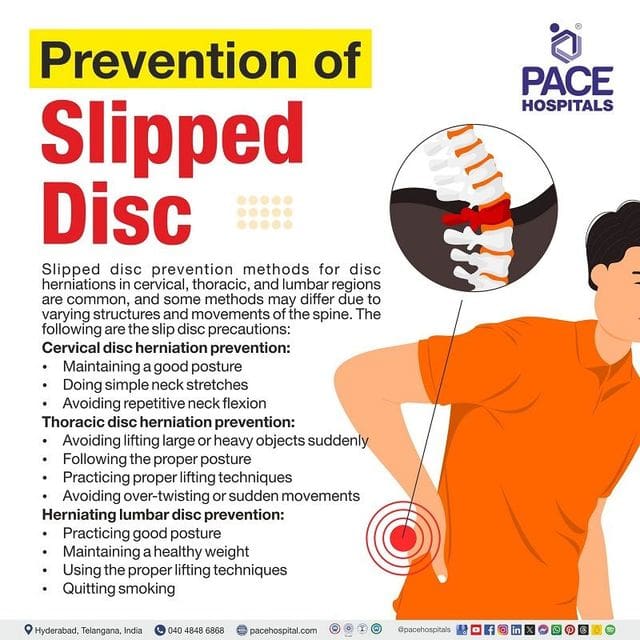
Disc protrusion, also known as a herniated disc, can be a painful and debilitating condition that affects many individuals. However, there are steps you can take to prevent disc protrusion from occurring or worsening. In this article, we will discuss common mistakes to avoid for disc protrusion prevention, so you can keep your spine healthy and pain-free.
Understanding Disc Protrusion
Before we dive into the common mistakes to avoid, let’s first understand what disc protrusion is. Disc protrusion occurs when the soft jelly-like center of a spinal disc pushes out through a tear in the tough outer layer of the disc. This can lead to inflammation, nerve compression, and pain in the affected area, commonly the neck or lower back.
Poor Posture
One of the most common mistakes that can contribute to disc protrusion is poor posture. When you slouch or hunch over for extended periods of time, it puts excessive strain on your spine and can lead to disc compression and protrusion. Remember to sit and stand up straight with your shoulders back to maintain proper spinal alignment and reduce the risk of disc protrusion.
Lifting Heavy Objects Incorrectly
Another common mistake that can lead to disc protrusion is lifting heavy objects incorrectly. When you bend at the waist to lift a heavy object, it puts undue pressure on your spinal discs and can cause them to herniate. Instead, bend at the knees and use your legs to lift heavy objects, keeping your back straight and avoiding twisting motions.

Sedentary Lifestyle
Living a sedentary lifestyle can also contribute to disc protrusion. When you sit or lie down for long periods without movement, it weakens the muscles that support your spine and can lead to disc degeneration and protrusion. Make sure to incorporate regular physical activity into your daily routine, such as walking, swimming, or yoga, to keep your spine healthy and prevent disc-related issues.
Excessive Weight
Carrying excess weight can put added stress on your spine and increase the risk of disc protrusion. The extra weight can cause your spinal discs to compress unevenly, leading to herniation and pain. Maintaining a healthy weight through a balanced diet and regular exercise can help reduce the strain on your spine and prevent disc protrusion.
Smoking
Smoking is not only harmful to your overall health but can also contribute to disc protrusion. Nicotine and other chemicals in cigarettes can impair the blood flow to your spinal discs, leading to degeneration and increased risk of herniation. If you smoke, quitting can not only benefit your spine health but also improve your overall well-being.
Improper Lifting Techniques
In addition to lifting heavy objects incorrectly, using improper lifting techniques in general can increase the risk of disc protrusion. Whether you’re picking up a box off the floor or rearranging furniture, always use proper lifting techniques to protect your spine. Remember to keep the object close to your body, bend at the knees, and engage your core muscles to support your back.

Lack of Core Strength
Weak core muscles can make you more susceptible to disc protrusion. Your core muscles help support your spine and maintain proper posture, reducing the strain on your spinal discs. Incorporating core-strengthening exercises into your workout routine, such as planks, bridges, and Russian twists, can help improve your core strength and lower the risk of disc-related issues.
High Heels
Wearing high heels regularly can alter your spinal alignment and increase the pressure on your spinal discs. The forward tilt caused by high heels can lead to poor posture and compression of the spinal discs, contributing to disc protrusion. Opt for supportive footwear with lower heels to maintain proper spinal alignment and reduce the strain on your spine.

Ignoring Pain Signals
Ignoring or masking pain signals from your body can be detrimental to your spine health and increase the risk of disc protrusion. Pain is your body’s way of alerting you to potential issues, such as disc compression or herniation. Listen to your body and seek medical attention if you experience persistent back or neck pain, as early intervention can prevent further damage to your spinal discs.
Conclusion
Disc protrusion can be a painful and limiting condition, but by avoiding common mistakes and making healthy choices, you can reduce the risk of developing this spinal issue. Remember to maintain proper posture, lift heavy objects correctly, stay active, maintain a healthy weight, and listen to your body’s pain signals to protect your spine from disc protrusion. By taking proactive steps to care for your spinal health, you can enjoy a pain-free and active lifestyle.