
Can You Have a Healthy Dating Life with Disc Protrusion?
Dating can be a fun and exciting part of life, but what happens when you’re dealing with disc protrusion? Can you still maintain a healthy dating life and have successful relationships despite this condition? The short answer is yes! With the right mindset, knowledge, and communication, you can navigate the dating world with ease even with disc protrusion.

Understanding Disc Protrusion
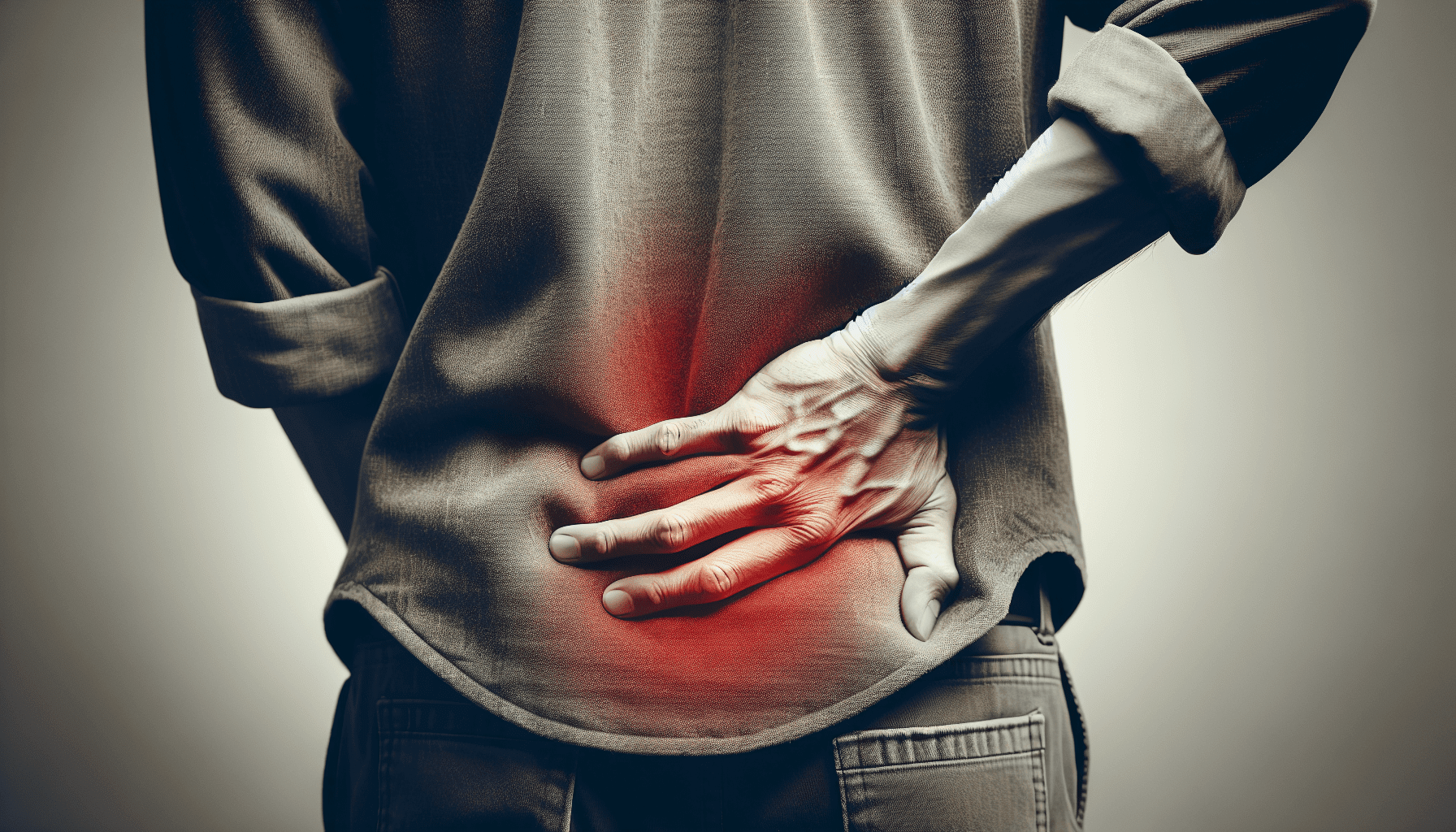
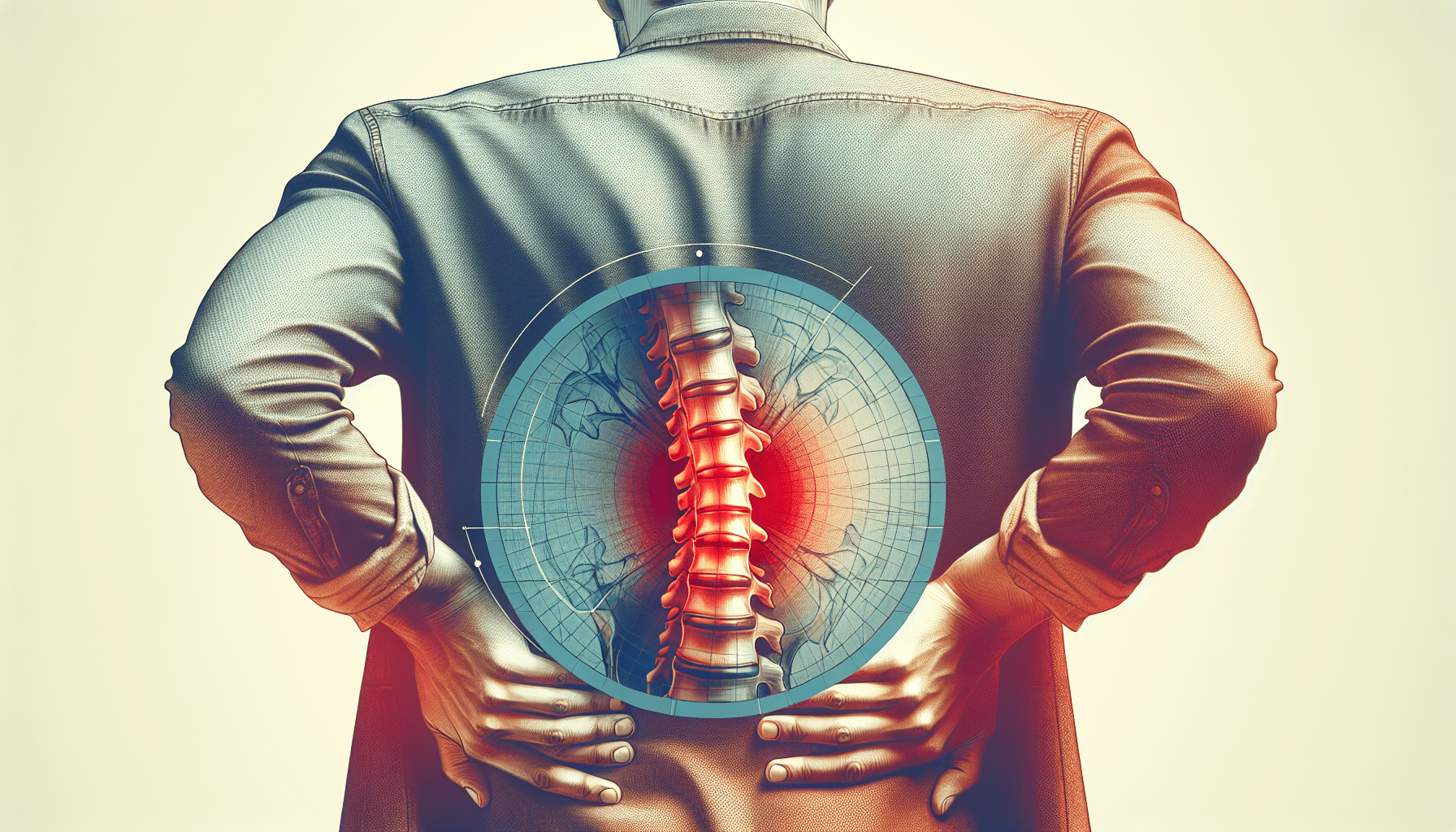
Before diving into dating and relationships with disc protrusion, it’s important to have a clear understanding of what this condition entails. Disc protrusion, also known as a herniated or slipped disc, occurs when the soft gel-like center of a spinal disc bulges out through a tear in the disc’s tough outer layer. This can lead to pain, numbness, weakness, and other symptoms, depending on the location and severity of the protrusion.
Communicating with Your Partner
When it comes to dating and relationships, communication is key. If you have disc protrusion, it’s important to communicate openly and honestly with your partner about your condition. Let them know about your symptoms, limitations, and any specific needs or accommodations you may have. By having these conversations early on, you can set the stage for a supportive and understanding relationship.
Setting Boundaries
Setting boundaries is crucial when dating with disc protrusion. It’s essential to listen to your body and know your limits. Don’t be afraid to communicate these boundaries with your partner and establish clear expectations for what you can and cannot do. Whether it’s avoiding certain activities that exacerbate your symptoms or needing time to rest and recover, setting boundaries is essential for managing your condition while maintaining a healthy dating life.
Planning Dates
When planning dates with disc protrusion, it’s essential to choose activities that are comfortable and safe for your condition. Opt for low-impact activities such as walking, casual dinners, movie nights, or picnics in the park. Avoid activities that require heavy lifting, bending, or twisting, as these can worsen your symptoms. By planning dates that are suitable for your condition, you can enjoy quality time with your partner without putting your health at risk.

Seeking Support
Dating with disc protrusion can be challenging, and it’s okay to seek support when needed. Whether it’s talking to a trusted friend, joining a support group, or seeking professional help from a therapist or counselor, having a support system in place can help you navigate the ups and downs of dating with a chronic condition. Remember, you don’t have to go through this journey alone, and reaching out for support is a sign of strength, not weakness.
Intimacy and Physical Relationships
Intimacy is an essential aspect of any romantic relationship, but it can be tricky to navigate when you have disc protrusion. Talk to your partner openly about any concerns or limitations you may have when it comes to physical intimacy. Explore different positions and techniques that are comfortable and safe for your condition, and don’t hesitate to communicate your needs and preferences to ensure a positive and fulfilling intimate experience.

Prioritizing Self-Care
Self-care is crucial when managing disc protrusion, especially when dating and maintaining relationships. Take time to prioritize your physical and mental well-being by engaging in activities that promote relaxation, stress relief, and pain management. Whether it’s gentle stretching, mindfulness meditation, hot baths, or spending time in nature, finding what works best for you can help alleviate symptoms and improve your overall quality of life.
Building a Strong Support System
Navigating dating and relationships with disc protrusion can be challenging, but having a strong support system in place can make a world of difference. Surround yourself with understanding friends, family members, and partners who are willing to listen, offer support, and assist you when needed. Don’t be afraid to lean on your support system during tough times or when you need a helping hand. Remember, you’re not alone in this journey, and having a strong support network can provide comfort and encouragement along the way.
Incorporating Exercise into Your Routine
While physical activity may seem daunting when dealing with disc protrusion, incorporating gentle exercise into your routine can have numerous benefits for your condition. Low-impact activities such as walking, swimming, yoga, or tai chi can help improve flexibility, strengthen muscles, and alleviate pain associated with disc protrusion. Consult with your healthcare provider or a physical therapist to develop a safe and effective exercise plan tailored to your needs and limitations.
Healthy Eating Habits for Managing Symptoms
Maintaining a healthy diet is essential for managing symptoms associated with disc protrusion. Eating a balanced diet rich in fruits, vegetables, whole grains, lean proteins, and healthy fats can help reduce inflammation, support spinal health, and promote overall well-being. Avoiding processed foods, sugary snacks, and fatty foods can help prevent weight gain and improve symptoms related to disc protrusion. Remember, food is fuel for your body, so make nutritious choices that support your health and well-being.
Seeking Professional Help
If you’re struggling to manage your disc protrusion symptoms while dating and maintaining relationships, don’t hesitate to seek professional help. Consulting with a healthcare provider, physical therapist, chiropractor, or pain management specialist can provide valuable insights, guidance, and treatment options to help you manage your condition effectively. Remember, you don’t have to face these challenges alone, and there are healthcare professionals available to support you in your journey to better health and well-being.
Joining a Support Group
Connecting with others who understand what you’re going through can be incredibly beneficial when navigating dating and relationships with disc protrusion. Consider joining a support group for individuals with chronic pain, back issues, or disc protrusion to share experiences, receive advice, and form meaningful connections with others facing similar challenges. Having a supportive community to lean on can provide comfort, validation, and encouragement as you navigate the complexities of dating with a chronic condition.
Embracing Self-Love and Acceptance
Dating with disc protrusion can be challenging, but it’s essential to embrace self-love and acceptance throughout this journey. Be kind to yourself, practice self-compassion, and celebrate your strengths and resilience. Remember that you are more than your condition, and you deserve love, respect, and understanding in all your relationships. By cultivating self-love and acceptance, you can build confidence, resilience, and inner peace as you navigate the dating world with disc protrusion.
Closing Thoughts
Dating and maintaining relationships with disc protrusion may pose unique challenges, but with the right mindset, knowledge, and support, you can overcome these obstacles and enjoy fulfilling connections with others. Remember to communicate openly with your partner, set boundaries, prioritize self-care, and seek support when needed. By taking care of your physical and emotional well-being, you can navigate the dating world with confidence, resilience, and authenticity, regardless of your condition. Trust in your strength, embrace self-love, and approach relationships with honesty and vulnerability, knowing that you deserve love, understanding, and acceptance in all aspects of your life.