
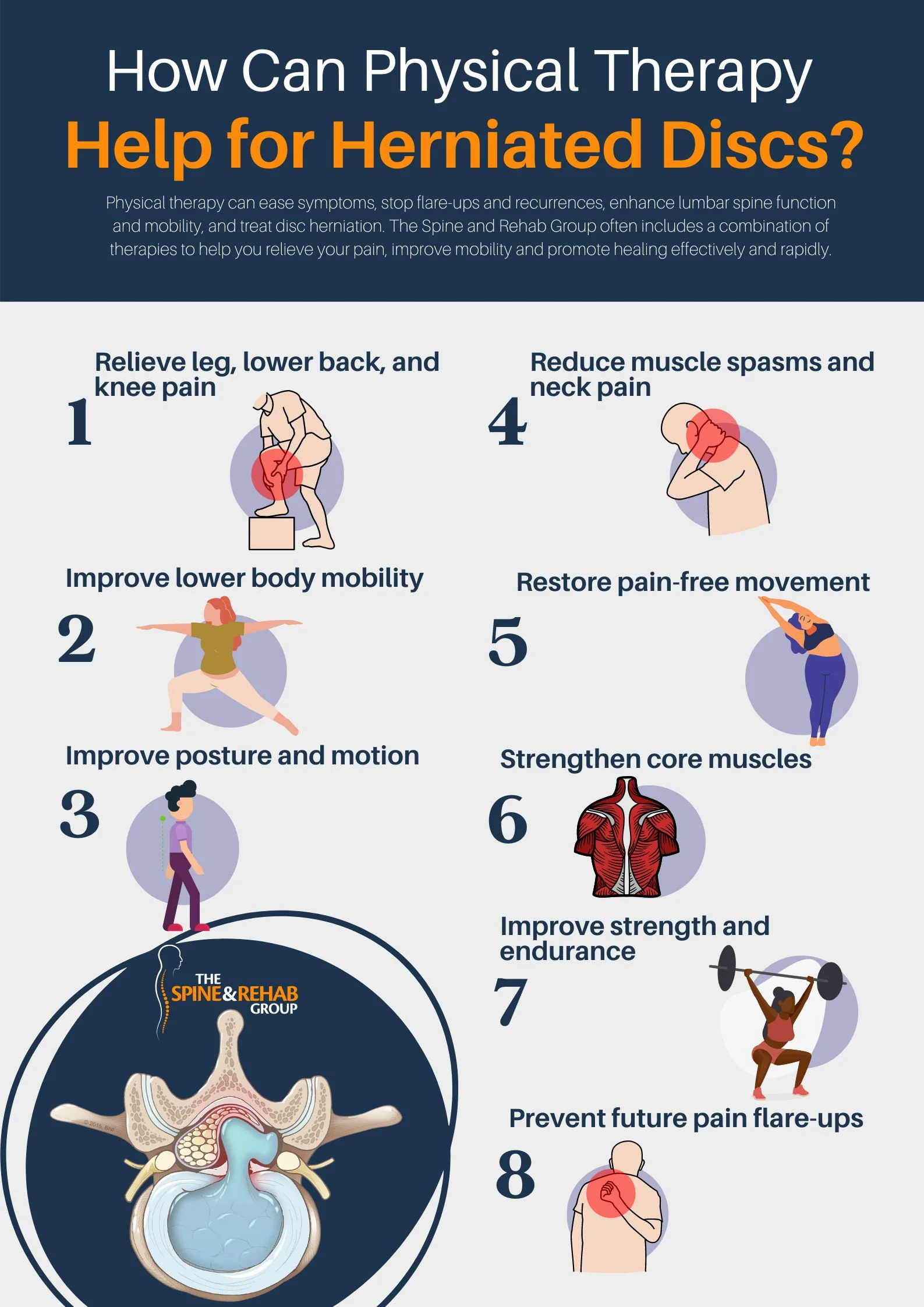
Do You Want to Prevent Disc Protrusion Through Physical Activity?
When it comes to maintaining a healthy spine, preventing disc protrusion is essential. Physical activity plays a significant role in keeping your discs healthy and preventing issues such as disc protrusion. In this article, you will learn about effective ways to prevent disc protrusion through physical activity.
What Is Disc Protrusion?
Disc protrusion, also known as a herniated or slipped disc, occurs when the soft inner core of a spinal disc pushes through the tougher outer layer. This can lead to pain, numbness, tingling, and weakness in the affected area. Preventing disc protrusion is crucial for maintaining good spinal health.
How Can Physical Activity Help Prevent Disc Protrusion?
Engaging in regular physical activity is a key component of preventing disc protrusion. Physical activity helps strengthen the muscles that support the spine, improve flexibility, and promote overall spinal health. By incorporating the right exercises into your routine, you can reduce the risk of disc protrusion and keep your spine healthy.
Key Exercises to Prevent Disc Protrusion
Certain exercises are particularly beneficial for preventing disc protrusion and maintaining spinal health. These exercises target the muscles that support the spine, improve flexibility, and promote good posture. Incorporating these key exercises into your routine can help prevent disc protrusion and keep your spine strong and healthy.
1. Plank
The plank is a simple yet effective exercise for strengthening the core muscles that support the spine. To perform a plank, start in a push-up position with your hands directly under your shoulders. Hold your body in a straight line from head to heels, engaging your core muscles. Aim to hold the plank for 30 seconds to one minute, and gradually increase your hold time as you get stronger.
2. Bird Dog
The bird dog exercise is great for strengthening the muscles in your back and core. To perform a bird dog, start on your hands and knees with your wrists directly under your shoulders and your knees directly under your hips. Extend your right arm forward and your left leg back, keeping your hips level. Hold for a few seconds, then return to the starting position and switch sides. Aim to perform 10-15 repetitions on each side.
3. Bridge
The bridge exercise is effective for strengthening the muscles in your lower back, glutes, and core. To perform a bridge, lie on your back with your knees bent and your feet flat on the floor. Lift your hips towards the ceiling, squeezing your glutes and engaging your core. Hold for a few seconds, then lower your hips back down. Aim to perform 10-15 repetitions.
4. Cat-Cow Stretch
The cat-cow stretch is a gentle exercise that helps improve spinal flexibility and relieve tension in the back. To perform a cat-cow stretch, start on your hands and knees with your wrists directly under your shoulders and your knees directly under your hips. Inhale as you arch your back and lift your head towards the ceiling (cow pose), then exhale as you round your back and tuck your chin to your chest (cat pose). Repeat this movement for 10-15 repetitions.

Best Practices for Preventing Disc Protrusion
In addition to incorporating key exercises into your routine, there are several best practices you can follow to help prevent disc protrusion and maintain good spinal health. These practices include maintaining proper posture, practicing good lifting techniques, and staying active throughout the day.
Maintain Proper Posture
Maintaining proper posture is essential for preventing disc protrusion and maintaining good spinal health. Whether you are sitting, standing, or moving, it is important to keep your spine in a neutral position to reduce stress on the discs. Be mindful of your posture throughout the day and make adjustments as needed to keep your spine aligned.
Practice Good Lifting Techniques
Proper lifting technique is crucial for preventing disc protrusion and avoiding back injuries. When lifting objects, bend your knees and use your legs to lift, rather than bending at the waist. Keep the object close to your body and avoid twisting while lifting. By using proper lifting techniques, you can reduce the strain on your back and prevent disc protrusion.
Stay Active Throughout the Day
In addition to regular exercise, it is important to stay active throughout the day to prevent disc protrusion. Avoid long periods of sitting or standing in one position, as this can put strain on your discs. Take breaks to move around, stretch, and change positions frequently. By staying active throughout the day, you can reduce the risk of disc protrusion and keep your spine healthy.

The Role of Aerobic Exercise in Preventing Disc Protrusion
In addition to strength and flexibility exercises, aerobic exercise plays a crucial role in preventing disc protrusion and maintaining spinal health. Aerobic exercise helps improve circulation, reduce inflammation, and promote overall cardiovascular health, which can benefit the spine.
Benefits of Aerobic Exercise for Spinal Health
Aerobic exercise, such as walking, swimming, or cycling, can have several benefits for spinal health. Aerobic exercise helps increase blood flow to the spine, which can promote healing and reduce inflammation. It also helps strengthen the muscles that support the spine and improve overall posture, reducing the risk of disc protrusion.
How Much Aerobic Exercise Do You Need?
The amount of aerobic exercise you need depends on your fitness level and overall health. Aim to incorporate at least 150 minutes of moderate-intensity aerobic exercise, such as brisk walking or cycling, into your weekly routine. If you are new to exercise, start slowly and gradually increase the duration and intensity of your workouts.
Tips for Incorporating Aerobic Exercise Into Your Routine
To prevent disc protrusion and maintain good spinal health, it is important to find ways to incorporate aerobic exercise into your routine. Consider activities that you enjoy, such as swimming, dancing, or playing sports, to make exercise more enjoyable. You can also break up your aerobic exercise into shorter sessions throughout the day to make it more manageable.

Conclusion: Maintaining Spinal Health Through Physical Activity
Preventing disc protrusion is essential for maintaining good spinal health and preventing pain and discomfort. By incorporating key exercises, following best practices, and incorporating aerobic exercise into your routine, you can reduce the risk of disc protrusion and keep your spine strong and healthy. Remember to listen to your body, start slowly, and gradually increase the intensity and duration of your workouts to prevent injury and promote spinal health. By making physical activity a priority in your daily routine, you can take steps to prevent disc protrusion and support overall spinal health.
