
Did you know that taking care of your spine is crucial for your overall health and well-being? Many people experience disc protrusion, a condition where the cushiony discs between the vertebrae in your spine bulge out of place. This can lead to pain, numbness, and tingling sensations, affecting your everyday life. But fret not, as there are ways you can protect your spine from disc protrusion. In this article, we will share essential tips to help you maintain a healthy spine and prevent disc protrusion.

Understanding Disc Protrusion
Disc protrusion, also known as a herniated disc, occurs when the jelly-like center of a spinal disc bulges out through a tear in the disc’s tough outer layer. This can put pressure on nearby nerves, causing pain, numbness, or weakness in the affected area. Disc protrusion commonly happens in the lower back or neck and can result from aging, repetitive movements, improper lifting techniques, or sudden trauma. By understanding the causes and symptoms of disc protrusion, you can take steps to protect your spine and avoid further damage.
What are the Symptoms of Disc Protrusion?
Symptoms of disc protrusion can vary depending on the location and severity of the affected disc. Common signs include:
- Sharp or shooting pain in the back, neck, arms, or legs
- Numbness or tingling sensations
- Muscle weakness in the affected area
- Difficulty moving or bending If you experience any of these symptoms, it is essential to seek medical attention to prevent further complications and begin appropriate treatment.
How is Disc Protrusion Diagnosed?
Diagnosing disc protrusion typically involves a physical exam, medical history review, and imaging tests such as X-rays, MRI, or CT scans. These tests can help your healthcare provider pinpoint the location and severity of the protrusion and determine the best course of treatment. Early diagnosis is crucial for managing disc protrusion effectively and preventing long-term complications.
Preventing Disc Protrusion
Prevention is key when it comes to protecting your spine from disc protrusion. By implementing simple lifestyle changes and habits, you can reduce your risk of developing this painful condition and maintain a healthy spine for years to come.
Maintain Good Posture
Proper posture plays a significant role in spine health and can help prevent disc protrusion. Whether you are sitting, standing, or lifting objects, make sure to:
- Keep your back straight and shoulders back
- Avoid slouching or hunching over
- Use ergonomic furniture and tools to support your spine By practicing good posture daily, you can alleviate pressure on your spine and reduce the risk of disc protrusion.
Stay Active and Exercise Regularly
Regular physical activity is essential for maintaining a strong and healthy spine. Incorporate activities that improve flexibility, strengthen core muscles, and support proper posture, such as:
- Yoga
- Pilates
- Swimming
- Walking Staying active can help prevent disc protrusion by supporting spinal alignment, reducing inflammation, and promoting overall spinal health.
Use Proper Lifting Techniques
Improper lifting techniques can strain your spine and increase the risk of disc protrusion. When lifting heavy objects, remember to:
- Bend your knees and keep your back straight
- Lift with your legs, not your back
- Avoid twisting your body while lifting or carrying By using proper lifting techniques, you can protect your spine from injury and prevent disc protrusion.
Maintain a Healthy Weight
Excess weight can put added stress on your spine and increase the risk of disc protrusion. By maintaining a healthy weight through a balanced diet and regular exercise, you can reduce the strain on your spine and improve overall spinal health.
- Eat a diet rich in fruits, vegetables, lean proteins, and whole grains
- Limit processed foods, sugary drinks, and unhealthy fats
- Stay hydrated and avoid excessive alcohol consumption By prioritizing a healthy weight, you can protect your spine from unnecessary pressure and reduce the risk of disc protrusion.
Stay Hydrated and Maintain Proper Nutrition
Proper hydration and nutrition are essential for spinal health and can help prevent disc protrusion. Drink an adequate amount of water daily to keep your spinal discs hydrated and maintain their cushioning properties. Additionally, consume foods rich in essential nutrients, vitamins, and minerals that support bone and disc health, such as:
- Calcium
- Vitamin D
- Magnesium
- Omega-3 fatty acids By staying hydrated and nourished, you can support your spine’s structural integrity and reduce the likelihood of disc protrusion.
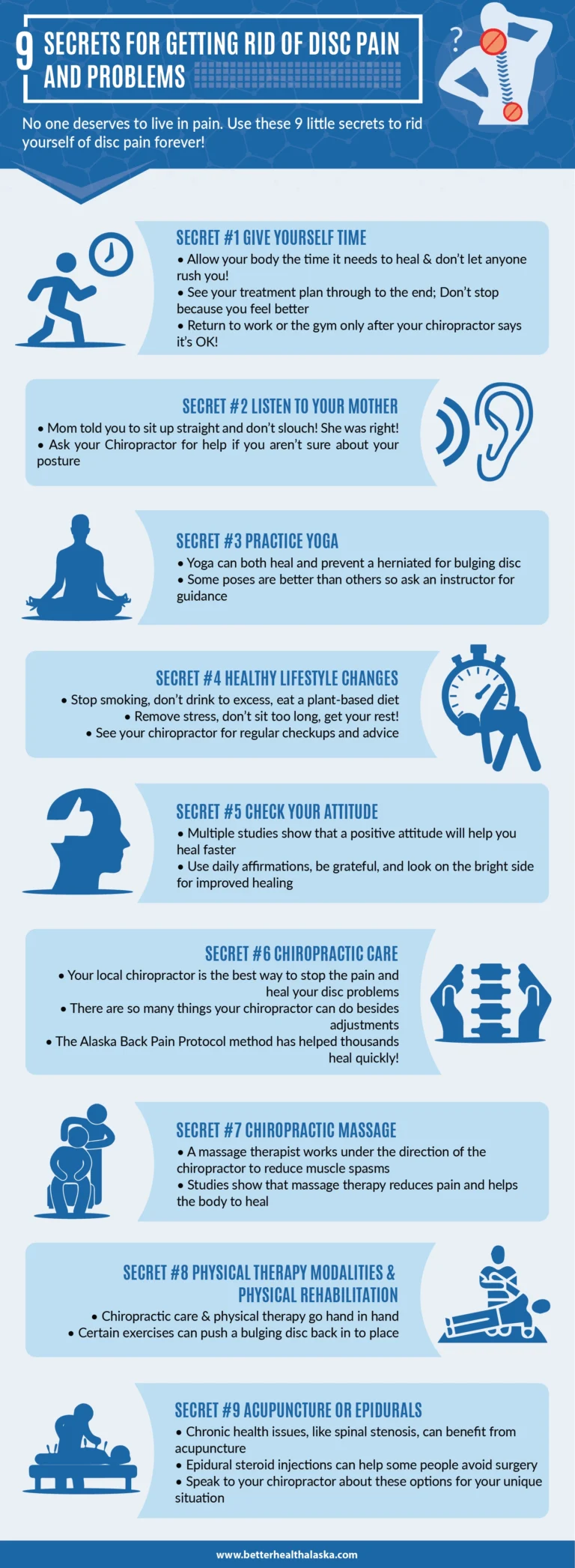
Managing Disc Protrusion
If you are already experiencing disc protrusion or have been diagnosed with a herniated disc, there are ways to manage the condition and alleviate symptoms. By working with healthcare providers and following a comprehensive treatment plan, you can improve your spinal health and quality of life.
Physical Therapy
Physical therapy is a common treatment option for disc protrusion and can help strengthen the muscles supporting your spine, improve flexibility, and reduce pain and inflammation. Physical therapists can design personalized exercise programs to target specific areas affected by disc protrusion and provide guidance on proper body mechanics to prevent further injury.
Medication
In some cases, healthcare providers may prescribe medication to manage pain, reduce inflammation, and alleviate discomfort associated with disc protrusion. Nonsteroidal anti-inflammatory drugs (NSAIDs), muscle relaxants, or pain relievers can help provide relief while undergoing other treatments such as physical therapy or chiropractic care.
Chiropractic Care
Chiropractic adjustments and spinal manipulation can help relieve pain, restore proper spinal alignment, and promote natural healing of the affected disc. Chiropractors are trained to identify misalignments in the spine and use hands-on techniques to make adjustments that alleviate pressure on nerves and reduce symptoms of disc protrusion.
Surgery
In severe cases of disc protrusion where conservative treatments have failed to provide relief, surgery may be necessary to repair the damaged disc and alleviate pressure on nearby nerves. Surgical options for disc protrusion include discectomy, laminectomy, or spinal fusion, depending on the location and severity of the herniated disc. Surgical interventions are usually considered as a last resort when other treatments have been unsuccessful.

Additional Tips for Spinal Health
In addition to the essential tips mentioned above, there are other ways you can protect your spine and maintain overall spinal health. By incorporating these practices into your daily routine, you can reduce the risk of disc protrusion and enjoy a pain-free and active lifestyle.
Regular Stretching
Stretching exercises can improve flexibility, reduce muscle tension, and support proper spinal alignment. Incorporate gentle stretches into your daily routine to target key muscle groups in the back, neck, and core. Stretching can help prevent muscle imbalances, reduce the risk of injury, and relieve tension in the spine.
Mindful Movement
Mindful movement practices such as tai chi or qigong can improve balance, coordination, and body awareness while promoting relaxation and stress relief. These gentle exercises focus on slow, deliberate movements that engage the entire body and support spinal health. By incorporating mindful movement into your routine, you can enhance your overall well-being and protect your spine from disc protrusion.
Regular Check-Ups
Regular visits to healthcare providers, such as chiropractors, physical therapists, or orthopedic specialists, can help monitor your spinal health and address any issues before they escalate. Routine check-ups allow healthcare providers to assess your spine’s condition, recommend preventive measures, and provide early intervention for any signs of disc protrusion or other spinal disorders.
Ergonomic Workspaces
Creating an ergonomic workspace can significantly reduce strain on your spine and prevent disc protrusion. Set up your desk, chair, computer, and other work tools in a way that supports proper posture and minimizes discomfort. Use adjustable furniture, ergonomic accessories, and proper lighting to create a comfortable and spine-friendly workspace that promotes productivity and spinal health.
Mind-Body Practices
Mind-body practices such as meditation, deep breathing, or mindfulness can help reduce stress, improve mental clarity, and promote relaxation. Stress and tension can contribute to muscle tightness, inflammation, and spinal problems, so incorporating stress-reducing techniques into your daily routine can support a healthy spine and overall well-being.

Final Thoughts
Protecting your spine from disc protrusion is essential for maintaining a pain-free and active lifestyle. By following the essential tips outlined in this article, you can take proactive steps to prevent disc protrusion, manage the condition effectively, and promote overall spinal health. Remember to prioritize good posture, regular exercise, proper nutrition, and preventive care to protect your spine and enjoy a healthy, functioning body for years to come. If you experience persistent or severe symptoms of disc protrusion, seek medical attention promptly to receive the appropriate treatment and support needed for optimal spinal health. Your spine is the foundation of your body, so take care of it and prioritize its well-being for a happier and healthier life.
