Want to find relief from disc protrusion? Look no further! In this article, you will discover expert advice on selecting the perfect mattress to alleviate the discomfort caused by disc protrusion. Say goodbye to sleepless nights and hello to a peaceful, pain-free slumber. So, get ready to make the right choice and wake up feeling refreshed and rejuvenated each morning.
Understanding Disc Protrusion
What is disc protrusion?
Disc protrusion refers to the condition where the intervertebral discs in our spine become compressed and bulge outwards. This can result in pressure on the nerves, leading to pain, discomfort, and other symptoms. It is often caused by wear and tear on the spinal discs, leading to degeneration and weakening of the disc walls. Disc protrusion can occur in various levels of severity, ranging from mild to severe.
Causes of disc protrusion
There are several factors that can contribute to the development of disc protrusion. Some of the common causes include aging, injury or trauma to the spine, poor posture, excessive weight, and repetitive movements that put strain on the spine. Additionally, certain medical conditions such as arthritis or osteoporosis can also increase the risk of disc protrusion. It is essential to understand the underlying causes in order to effectively manage and prevent further damage to the discs.
Symptoms of disc protrusion
The symptoms of disc protrusion can vary depending on the location and severity of the bulging disc. Common symptoms include localized pain, tingling or numbness in the affected area, muscle weakness, and radiating pain that may travel down the arms or legs. In severe cases, it can lead to loss of bladder or bowel control. If you experience any of these symptoms, it is important to seek medical attention for proper diagnosis and treatment.
Importance of a Good Mattress for Disc Protrusion Relief
Support for the spine
A good mattress plays a crucial role in providing adequate support for the spine. It should be able to align the spine properly and distribute the body weight evenly to prevent any additional strain on the protruding disc. A mattress with poor support can exacerbate the symptoms of disc protrusion and hinder the healing process. Therefore, investing in a mattress that offers optimal spinal support is essential for relief and recovery.
Pressure distribution
When dealing with disc protrusion, it is important to choose a mattress that promotes even pressure distribution. A mattress that allows certain areas of the body to sink too deeply can cause increased pressure on the affected disc, leading to further discomfort and potential aggravation of the condition. Look for a mattress that provides a balanced level of support to ensure proper pressure distribution and alleviate unnecessary strain on the protruding disc.
Alignment of the spine
Proper spinal alignment is crucial for individuals with disc protrusion. A mattress that promotes neutral spinal alignment can help alleviate pain and discomfort and contribute to the healing process. It should provide adequate support to the natural curves of the spine, including the cervical, thoracic, and lumbar regions. By maintaining proper alignment, a good mattress can aid in reducing pressure on the protruding disc and promote overall spinal health.
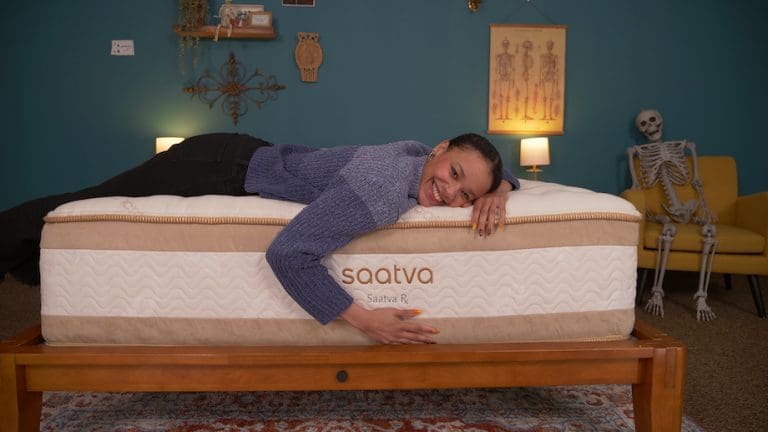
Factors to Consider when Choosing a Mattress
Firmness level
Finding the right firmness level is key when selecting a mattress for disc protrusion relief. While personal preference comes into play, it is generally recommended to opt for a medium-firm mattress. This level of firmness provides a balance between support and comfort, ensuring that the spine remains properly aligned without putting excessive pressure on the protruding disc. However, it is important to consult with a healthcare professional for personalized advice based on your specific condition and needs.
Material and construction
The material and construction of a mattress can significantly impact its ability to provide relief for disc protrusion. Memory foam mattresses are often recommended due to their ability to contour to the body and relieve pressure points. Latex mattresses, on the other hand, offer excellent support and durability. Innerspring mattresses, with their coil systems, can provide a more traditional feel and bounce. Hybrid mattresses combine the benefits of memory foam or latex with innerspring coils, offering a balance of support and comfort.
Motion transfer
For individuals with disc protrusion, motion transfer can be a significant concern. A mattress with good motion isolation can prevent movement from disturbing your sleep and potentially aggravating the condition. Memory foam and latex mattresses are known for their ability to absorb movement and minimize motion transfer. This can be particularly beneficial for couples, as it ensures that one partner’s movement does not disturb the other’s sleep.
Edge support
Edge support is another important factor to consider when choosing a mattress for disc protrusion relief. A mattress with strong edge support provides stability and prevents sagging or sinking when sitting or sleeping near the edges. Innerspring and hybrid mattresses often offer better edge support compared to foam mattresses. This can be especially beneficial for individuals who experience difficulty in getting in and out of bed or require additional support when sitting on the edge.
Temperature regulation
Maintaining a comfortable sleep temperature is crucial, especially for individuals with disc protrusion. Certain materials and constructions are known for their ability to regulate temperature and promote airflow, keeping the body cool throughout the night. Memory foam mattresses with gel-infused or open-cell foam layers, as well as hybrid mattresses with coil systems that allow for better airflow, are often recommended for individuals who tend to sleep hot. Ensuring a cool and comfortable sleep environment can contribute to a restful night’s sleep and aid in the management of disc protrusion symptoms.
Finding the Right Firmness Level
Soft vs. firm mattresses
When it comes to choosing the firmness level of your mattress, it is important to understand the differences between soft and firm options. Soft mattresses provide a plush and contouring feel, allowing for deeper sinking into the mattress. While this can be comforting for some, it may not offer the necessary support for individuals with disc protrusion. On the other hand, firm mattresses provide a greater level of support and prevent excessive sinking, ensuring proper spinal alignment. Finding the right balance between comfort and support is crucial for individuals seeking relief from disc protrusion.
Medium-firm mattresses
For most individuals with disc protrusion, a medium-firm mattress is recommended. This firmness level provides a combination of support and comfort, ensuring optimal alignment of the spine. A medium-firm mattress allows for enough contouring to relieve pressure points while still offering adequate support to prevent further strain on the protruding disc. However, it is important to consider personal preference and consult with healthcare professionals for personalized advice based on your specific condition and needs.
Personal preference
While expert advice and recommendations are essential, personal preference should not be overlooked when selecting a mattress for disc protrusion relief. Each individual has unique comfort preferences, and finding a mattress that suits your needs and sleeping habits is crucial for a good night’s sleep. While considering firmness level and other factors, it is important to test out different mattresses and listen to your body’s response. Ultimately, the mattress that provides the most comfort and relief for your specific condition should be prioritized.
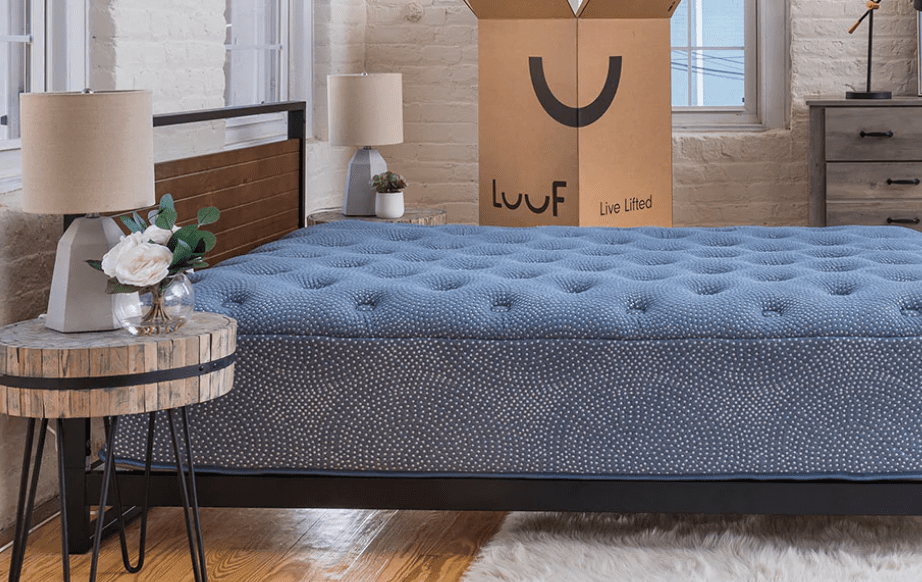
Materials and Construction for Disc Protrusion Relief
Memory foam mattresses
Memory foam mattresses are popular choices for individuals with disc protrusion due to their ability to contour to the body and relieve pressure points. The viscoelastic properties of memory foam allow it to conform to the shape of your body, promoting proper spinal alignment and reducing pressure on the protruding disc. Memory foam also absorbs movement, limiting motion transfer and ensuring a peaceful sleep. Look for memory foam mattresses with varying density and thickness options to find the right level of support and comfort for your specific needs.
Latex mattresses
Latex mattresses are known for their responsiveness and ability to provide excellent support. They offer a balance between contouring and bounce, allowing for natural movement during sleep while still ensuring proper spinal alignment. Latex mattresses are often recommended for individuals with disc protrusion due to their ability to distribute body weight evenly and relieve pressure points. They are also naturally hypoallergenic and resistant to dust mites, making them a great choice for individuals with allergies or sensitivities.
Innerspring mattresses
Innerspring mattresses use a system of metal coils to provide support and bounce. The coils are individually wrapped or connected, allowing for better motion isolation and reduced noise compared to traditional innerspring mattresses. Innerspring mattresses are known for their durability and ability to maintain their shape over time. They offer a firmer feel and can provide the necessary support for individuals with disc protrusion. Look for innerspring mattresses with higher coil count for better support and comfort.
Hybrid mattresses
Hybrid mattresses combine the benefits of memory foam or latex with the support of innerspring coils. This combination provides a balance of contouring, support, and bounce. Hybrid mattresses often have several layers of foam, including memory foam or latex layers, followed by a layer of pocketed coils. The foam layers contour to the body and relieve pressure points, while the coils offer support and durability. Hybrid mattresses are a popular choice for individuals with disc protrusion as they provide the benefits of both foam and innerspring mattresses.
Motion Transfer and Disc Protrusion Relief
Importance of motion isolation
When dealing with disc protrusion, minimizing motion transfer is crucial for a restful and pain-free sleep. Motion isolation refers to the ability of a mattress to absorb movement and prevent it from transferring across the surface. This is particularly important for individuals who share their bed with a partner, as their movements can potentially disturb your sleep and aggravate the condition. Mattresses that excel in motion isolation, such as memory foam and latex mattresses, can significantly contribute to disc protrusion relief by ensuring a peaceful and undisturbed sleep.
Memory foam and latex mattresses for motion transfer
Memory foam and latex mattresses are known for their ability to absorb movement and minimize motion transfer. The viscoelastic properties of memory foam and the inherent responsiveness of latex allow these mattresses to contour to the body and absorb any sudden movements. This prevents disturbances caused by partner movements during sleep, ensuring a restful night’s sleep for individuals with disc protrusion. When selecting a mattress, it is important to consider the level of motion isolation provided by different materials and constructions to find the most suitable option for your needs.

Edge Support for Disc Protrusion Relief
Benefits of good edge support
Having good edge support in a mattress is especially important for individuals with disc protrusion. It provides stability and prevents sagging or sinking when sitting or sleeping near the edges of the bed. Good edge support allows for easier entry and exit from the bed and provides additional support when sitting on the edge for activities such as putting on shoes or getting ready in the morning. It enhances the overall durability and lifespan of the mattress, ensuring consistent support for the protruding disc.
Innerspring and hybrid mattresses for edge support
Innerspring and hybrid mattresses are known for their superior edge support compared to foam mattresses. The coil systems in these mattresses offer enhanced support along the edges, preventing sagging and ensuring a solid sleep surface. The coils help maintain the shape and integrity of the mattress, even with prolonged use or when sitting on the edge. For individuals with disc protrusion, choosing a mattress with good edge support can make a significant difference in terms of comfort, support, and overall sleep experience.
Temperature Regulation and Disc Protrusion Relief
Cooling properties of mattresses
Maintaining a cool sleep environment is crucial for individuals with disc protrusion. Excessive heat can exacerbate pain and discomfort, leading to disrupted sleep and increased inflammation. Certain mattresses offer cooling properties to help regulate temperature and promote airflow. These mattresses often feature technologies such as gel-infused memory foam or open-cell foam, which allow for proper heat dissipation and airflow. By choosing a mattress with cooling properties, individuals with disc protrusion can enjoy a cooler and more comfortable sleep environment, aiding in the management and relief of symptoms.
Memory foam and hybrid mattresses for temperature regulation
Memory foam mattresses with gel-infused or open-cell foam layers are known for their ability to regulate temperature. The gel-infused foam helps dissipate heat and keeps the mattress cooler throughout the night. Open-cell foam allows for better airflow, improving breathability and preventing heat buildup. Hybrid mattresses, which combine memory foam or latex with innerspring coils, also offer better heat regulation due to the increased airflow provided by the coil systems. When selecting a mattress for disc protrusion relief, it is important to consider its cooling properties to ensure a comfortable and temperature-regulated sleep environment.
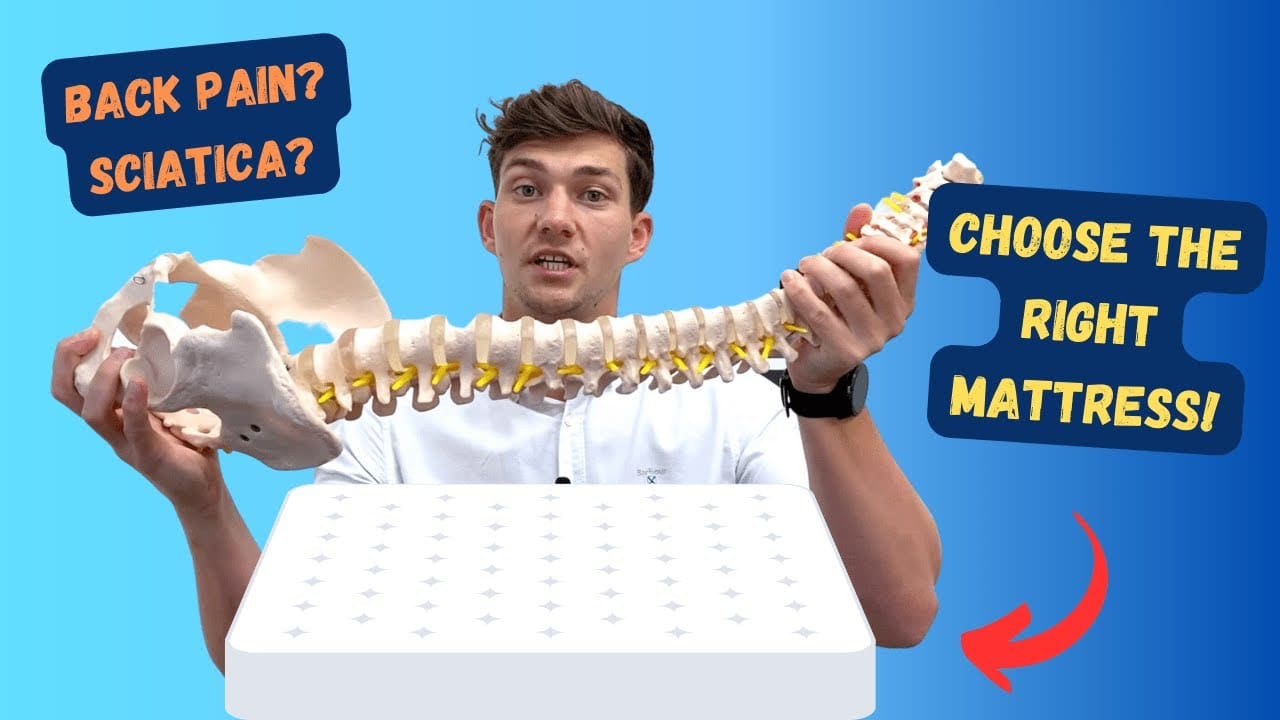
Additional Features for Disc Protrusion Relief
Adjustable beds
Investing in an adjustable bed can be highly beneficial for individuals with disc protrusion. These beds allow you to customize the sleeping position, providing optimal support and alleviating pressure on the protruding disc. By adjusting the incline or raising certain parts of the bed, you can find the most comfortable position that promotes spinal alignment and relieves pain. Adjustable beds also offer the convenience of adjusting the position for activities such as reading or working on a laptop while in bed. Consultation with healthcare professionals is recommended to determine the most appropriate adjustable bed features for your specific needs.
Pillow-top mattresses
Pillow-top mattresses can provide an extra layer of plushness and comfort for individuals with disc protrusion. These mattresses feature a padded top layer, often made of memory foam or latex, which offers additional cushioning and pressure relief. The pillow-top design conforms to the body, contouring to the curves and relieving pressure points. This can help reduce pain and discomfort associated with disc protrusion. Pillow-top mattresses are available in various firmness options, allowing you to find the right balance between support and comfort for your specific needs.
Mattress toppers
For individuals who already have a mattress but are looking to enhance its comfort and support for disc protrusion relief, mattress toppers can be an excellent option. Mattress toppers are additional layers of cushioning that sit on top of the mattress, providing extra plushness and pressure relief. They can be made of materials such as memory foam or latex, offering contouring and support to alleviate pain and discomfort. Mattress toppers are available in different thicknesses and firmness levels, allowing for a customizable sleep surface tailored to your specific needs.
Conclusion
Investing in the right mattress is of utmost importance for individuals seeking disc protrusion relief. A good mattress should provide proper support, pressure distribution, and spinal alignment, while also considering factors such as firmness level, material and construction, motion transfer, edge support, and temperature regulation. Finding the right balance between support and comfort, as well as considering personal preferences and consulting with healthcare professionals, can help determine the most suitable mattress for individual needs. Additional features such as adjustable beds, pillow-top mattresses, and mattress toppers can further enhance comfort and alleviate discomfort. By carefully considering these factors and investing in the right mattress, individuals with disc protrusion can experience relief, improved sleep quality, and overall enhanced well-being. Consultation with healthcare professionals is recommended for personalized advice and guidance throughout the mattress selection process.