Welcome to an insightful exploration of the emotional impact of disc protrusion symptoms. Living with this condition can take a toll on your mental well-being, affecting your mood, relationships, and overall quality of life. By understanding the emotional aspect of disc protrusion symptoms, you can learn how to cope effectively and improve your emotional health. Let’s delve into this important topic together and discover ways to navigate the challenges with resilience and positivity. Have you been experiencing pain, numbness, or tingling in your back or legs? It could be a symptom of a disc protrusion, a common spinal condition that can result in a range of physical and emotional challenges. In this article, we will explore the emotional impact of disc protrusion symptoms and provide you with valuable information and tips to help you manage and cope with this condition.
Understanding Disc Protrusion
Disc protrusion, also known as a herniated disc or slipped disc, occurs when the soft inner core of a spinal disc pushes out through a tear in the outer layer. This can lead to irritation or compression of nearby nerves, causing pain and other symptoms. It commonly occurs in the lower back (lumbar spine) or the neck (cervical spine).
If you have been diagnosed with a disc protrusion, you may experience symptoms such as:
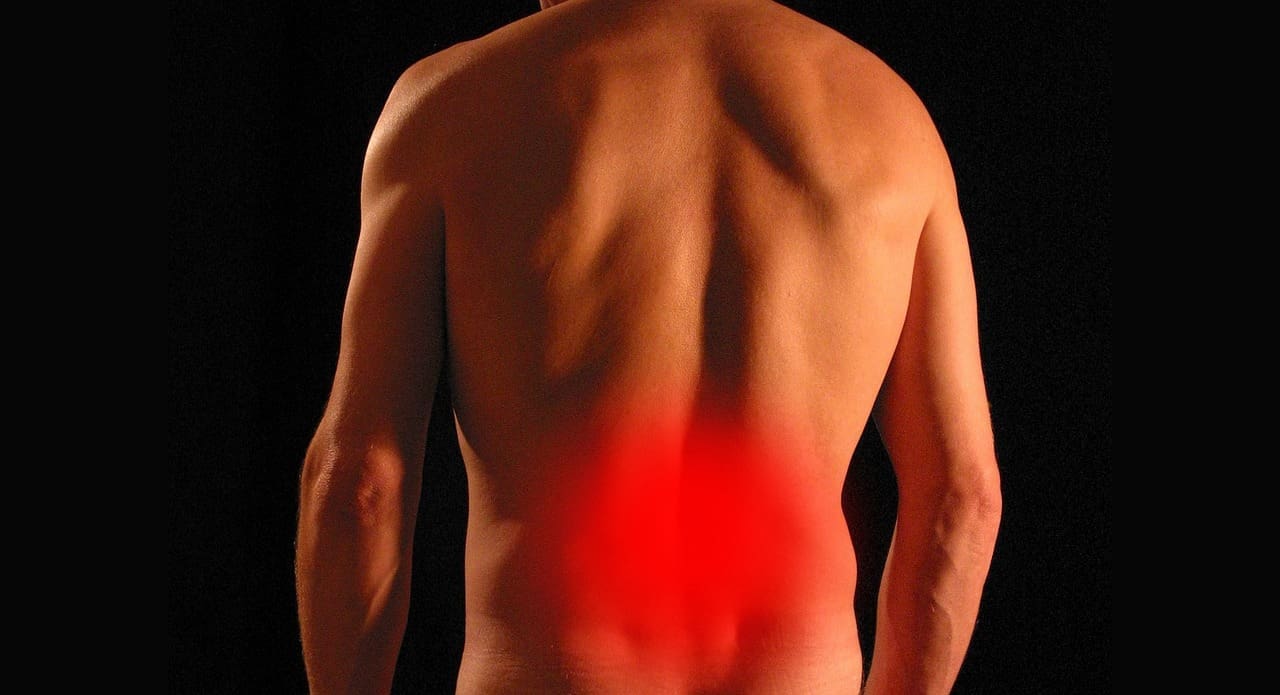
- Back pain that worsens with movement
- Numbness or tingling in the back, legs, or arms
- Muscle weakness
- Difficulty walking or standing for long periods
How Disc Protrusion Can Impact Your Emotional Well-being
Dealing with the physical symptoms of disc protrusion can be challenging on its own, but it can also take a toll on your emotional well-being. Chronic pain and limited mobility can affect your mood, energy levels, and overall quality of life. You may feel frustrated, anxious, or depressed as you navigate the challenges of managing your symptoms and seeking treatment.
It’s important to acknowledge and address the emotional impact of disc protrusion symptoms to ensure holistic care and support for your well-being. By understanding how this condition can affect your emotions, you can better manage your mental health and improve your overall quality of life.
Coping Strategies for Emotional Well-being
Managing the emotional impact of disc protrusion symptoms involves a combination of self-care practices, professional support, and lifestyle adjustments. Here are some coping strategies that can help you navigate the challenges of living with this condition:
Practice Mindfulness and Relaxation Techniques
Mindfulness meditation, deep breathing exercises, and progressive muscle relaxation can help you reduce stress, anxiety, and pain levels. These techniques can promote a sense of calm, improve your mood, and enhance your overall well-being. Try incorporating daily mindfulness practices into your routine to create a sense of inner peace and resilience.
Stay Connected with Supportive Relationships
Maintaining strong social connections with friends, family, or support groups can provide you with emotional support, encouragement, and a sense of belonging. Talking about your feelings and experiences with others can help you feel understood, validated, and less isolated in managing your disc protrusion symptoms. Reach out to your loved ones or seek professional counseling to explore your emotions and coping strategies.
Engage in Gentle Exercise and Movement
While it’s important to listen to your body and avoid activities that worsen your symptoms, engaging in gentle exercise and movement can help you improve your physical and emotional well-being. Low-impact activities such as walking, swimming, yoga, or tai chi can strengthen your muscles, improve your flexibility, and boost your mood. Consult with your healthcare provider or a physical therapist to develop a safe and effective exercise plan tailored to your needs and limitations.
Prioritize Self-care and Healthy Habits
Taking care of yourself physically, mentally, and emotionally is essential in managing the challenges of disc protrusion symptoms. Prioritize self-care activities such as getting enough sleep, eating a balanced diet, staying hydrated, and avoiding harmful habits like smoking or excessive alcohol consumption. Establish a daily routine that includes time for relaxation, hobbies, and activities that bring you joy and fulfillment.
Seek Professional Help and Treatment
If you are struggling with overwhelming emotions, anxiety, or depression due to disc protrusion symptoms, it’s important to seek professional help and treatment. Talk to your healthcare provider about your concerns and explore therapy, counseling, or medication options that can help you manage your mental health. Physical therapy, chiropractic care, acupuncture, or other alternative treatments can also provide relief from pain and discomfort associated with disc protrusion.
By incorporating these coping strategies into your daily life, you can enhance your emotional well-being, improve your quality of life, and better manage the challenges of living with disc protrusion symptoms. Remember that it’s okay to seek help, practice self-compassion, and prioritize your mental health as you navigate this journey towards healing and recovery.
Conclusion
Living with disc protrusion symptoms can be emotionally challenging, but by understanding the impact on your mental health and implementing coping strategies, you can better manage and cope with this condition. Remember to prioritize self-care, seek support, and explore treatment options that can improve your emotional well-being and overall quality of life. You are not alone in this journey, and there are resources and professionals available to help you navigate the challenges of disc protrusion with resilience, strength, and hope. Stay positive, stay motivated, and take care of yourself as you work towards healing and recovery.