
How Does A Family History Of Disc Problems Affect The Risk Of Disc Protrusion?
Understanding Disc Protrusion
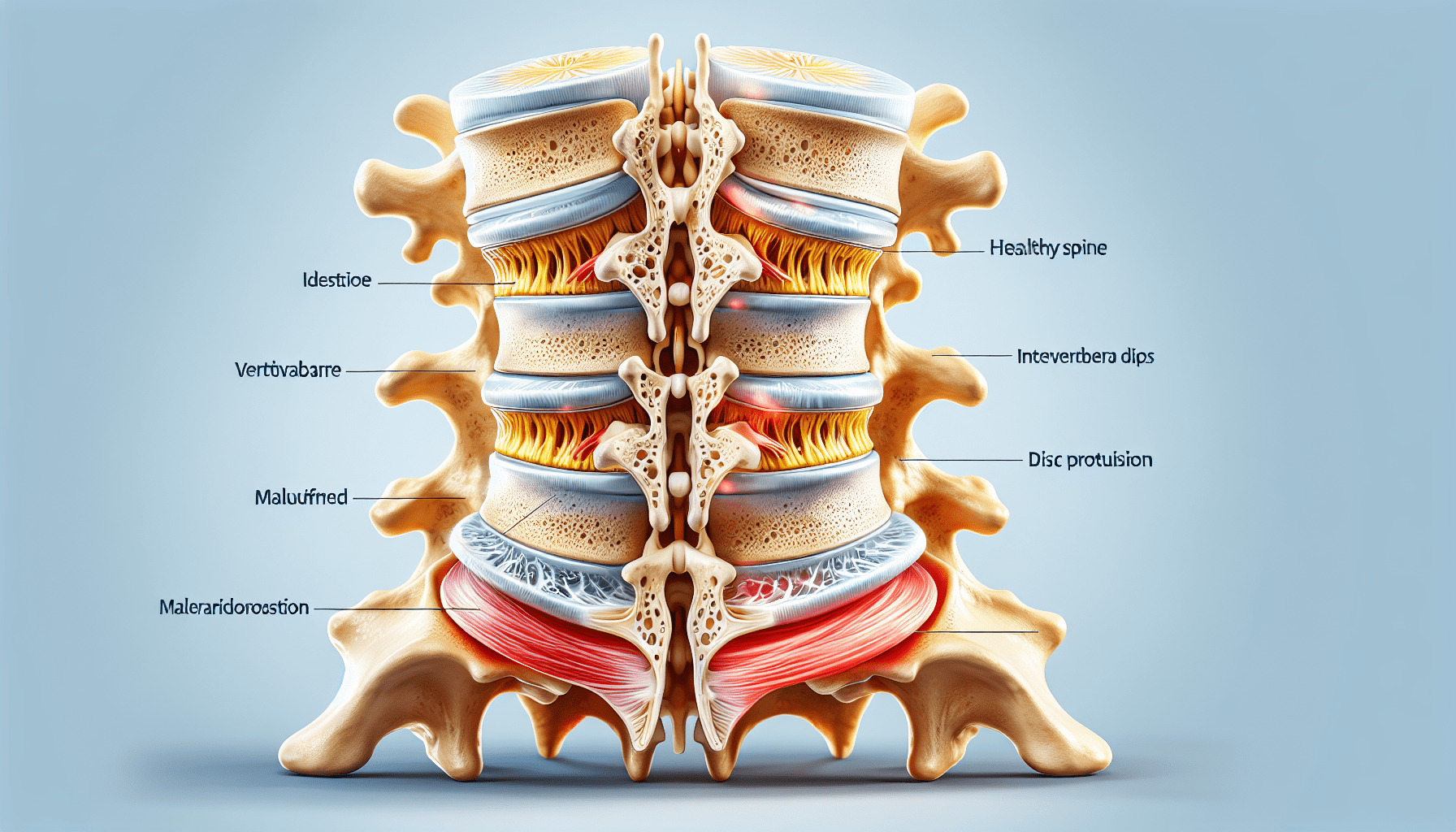
Disc protrusion, also known as a slipped disc or herniated disc, occurs when the gel-like center of a spinal disc pushes through a weakened or torn outer layer. This can lead to pain, numbness, or weakness in the affected area, often in the lower back or neck. Family history plays a significant role in the development of disc problems, including disc protrusion.
Genetic Predisposition to Disc Problems
Your genes play a role in determining the structure and function of your spinal discs. If your family has a history of disc problems, you may be more likely to inherit genetic factors that increase your risk of developing disc protrusion. Genetic predisposition can influence the strength of the outer layer of the disc, the composition of the gel-like center, and the overall stability of the spine.
Tip: Remember to inform your healthcare provider about your family history of disc problems to help them assess your risk of disc protrusion.
Shared Lifestyle Factors
In addition to genetic factors, families often share common lifestyle habits that can impact disc health. Factors such as physical activity levels, body weight, posture, and occupational hazards can all contribute to the risk of disc protrusion. Growing up in a family where these lifestyle factors are not prioritized can increase the likelihood of developing disc problems later in life.
Tip: Incorporate regular exercise, maintain a healthy weight, practice good posture, and avoid activities that put excessive strain on your spine to help reduce the risk of disc protrusion.
Age-Related Changes in Disc Health
As we age, our spinal discs naturally undergo changes that make them more susceptible to damage and degeneration. A family history of disc problems can accelerate these age-related changes, leading to early onset disc protrusion. The cumulative effect of genetic susceptibility, shared lifestyle factors, and aging can significantly increase the risk of developing disc protrusion in individuals with a family history of disc problems.
Tip: Stay proactive about your spine health as you age by maintaining a healthy lifestyle, practicing good ergonomics, and seeking early treatment for any signs of disc problems.
Preventive Measures for Disc Protrusion
While a family history of disc problems may increase your risk of disc protrusion, there are steps you can take to reduce the likelihood of developing this condition. Incorporating preventive measures into your daily routine can help protect your spinal discs and minimize the impact of genetic and environmental risk factors on your disc health.
Tip: Focus on strengthening your core muscles, improving your flexibility, and practicing proper body mechanics to support your spine and reduce the risk of disc protrusion.
Seeking Professional Guidance
If you have a family history of disc problems or are concerned about your risk of disc protrusion, it is essential to consult with a healthcare provider specializing in spine health. A thorough evaluation of your medical history, physical examination, and diagnostic tests can help identify any underlying risk factors and develop a personalized treatment plan to address your specific needs.
Tip: Don’t hesitate to reach out to a spine specialist if you experience persistent back or neck pain, numbness, weakness, or other symptoms that may indicate disc problems.
Conclusion
Understanding how a family history of disc problems affects the risk of disc protrusion is essential for maintaining a healthy spine and preventing long-term complications. By recognizing the role of genetic predisposition, shared lifestyle factors, aging, and preventive measures, you can take proactive steps to protect your spine and reduce your risk of developing disc protrusion. Remember to prioritize your spine health, stay informed about your family history, and seek appropriate medical care to ensure the best outcomes for your spinal health.