
Having a strong and stable spine is crucial for maintaining good overall health and preventing various spine-related issues. In this article, we will explore the fascinating correlation between poor spinal stability and the increased risk of disc protrusion. Discover how an unstable spine can potentially lead to painful and debilitating conditions, and learn some practical tips to improve spinal stability and reduce the chances of disc protrusion. So, grab a cup of tea, sit back, and let’s delve into the world of spinal health.

What is spinal stability?
Spinal stability refers to the ability of the spine to maintain its structural integrity and resist forces that could potentially cause injury or damage. It involves the coordination and balance of various components, such as the intervertebral discs, spinal ligaments, muscles, and bones, to provide support and protection to the spine.
Definition of spinal stability
Spinal stability can be defined as the ability of the spine to maintain proper alignment and function throughout various activities, including movement, bending, lifting, and twisting. It ensures that the spine remains in a neutral position, distributing loads evenly and minimizing the risk of injury or excessive stress on the spinal structures.
Role of spinal stability in supporting and protecting the spine
Spinal stability plays a crucial role in supporting and protecting the spine. It helps maintain proper alignment and prevents excessive motion in the spinal segments, reducing the risk of injury or damage to the intervertebral discs and surrounding structures. Additionally, a stable spine allows for efficient transmission of forces between the upper and lower body, promoting optimal movement patterns and reducing the strain on individual spinal segments.
Disc anatomy and function
Intervertebral discs are the soft, gel-like cushions located between each pair of adjacent vertebrae in the spine. They consist of an outer, fibrous ring called the annulus fibrosus, and a central, gel-like substance called the nucleus pulposus.
Structure and components of intervertebral discs
The annulus fibrosus is composed of fibrous cartilage, arranged in concentric rings, which encircle the nucleus pulposus. It provides strength and stability to the disc and helps contain the gel-like nucleus within the disc space. The nucleus pulposus, on the other hand, has a high water content, allowing it to absorb and distribute forces evenly throughout the disc.
The role of intervertebral discs in spinal stability
Intervertebral discs play a crucial role in spinal stability. They act as shock absorbers, dissipating the forces generated during everyday activities and movement. The discs also contribute to the stability of the spine by providing resistance to compressive forces and maintaining the appropriate spacing between the vertebrae. Additionally, their ability to deform and adapt helps to minimize the risk of injury and maintains flexibility in the spine.
Normal disc function and stability
In a healthy spine, intervertebral discs function optimally to support spinal stability. They provide cushioning and support during various movements, allowing the spine to bend, twist, and flex without excessive strain on the surrounding structures. Normal disc function depends on proper hydration, nutrition, and the absence of structural abnormalities such as herniation or degeneration.
What is disc protrusion?
Disc protrusion, also known as a herniated disc, occurs when part of the inner nucleus pulposus bulges or protrudes through a tear or weakness in the outer annulus fibrosus. This can result in compression or irritation of nearby nerves, causing pain, inflammation, and other symptoms.
Definition and causes of disc protrusion
Disc protrusion occurs when the outer fibers of the intervertebral disc weaken or tear, allowing the gel-like nucleus to push outwards. This can be caused by factors such as degenerative changes in the discs, repetitive trauma, poor posture, improper lifting techniques, and genetic predisposition.
Symptoms and consequences of disc protrusion
Symptoms of disc protrusion vary depending on the location and severity of the protrusion. Common symptoms include localized back or neck pain, radicular pain radiating down the arms or legs, numbness, tingling, muscle weakness, and decreased range of motion. If left untreated, disc protrusion can lead to chronic pain, nerve damage, and functional limitations.
Relationship between spinal stability and disc protrusion
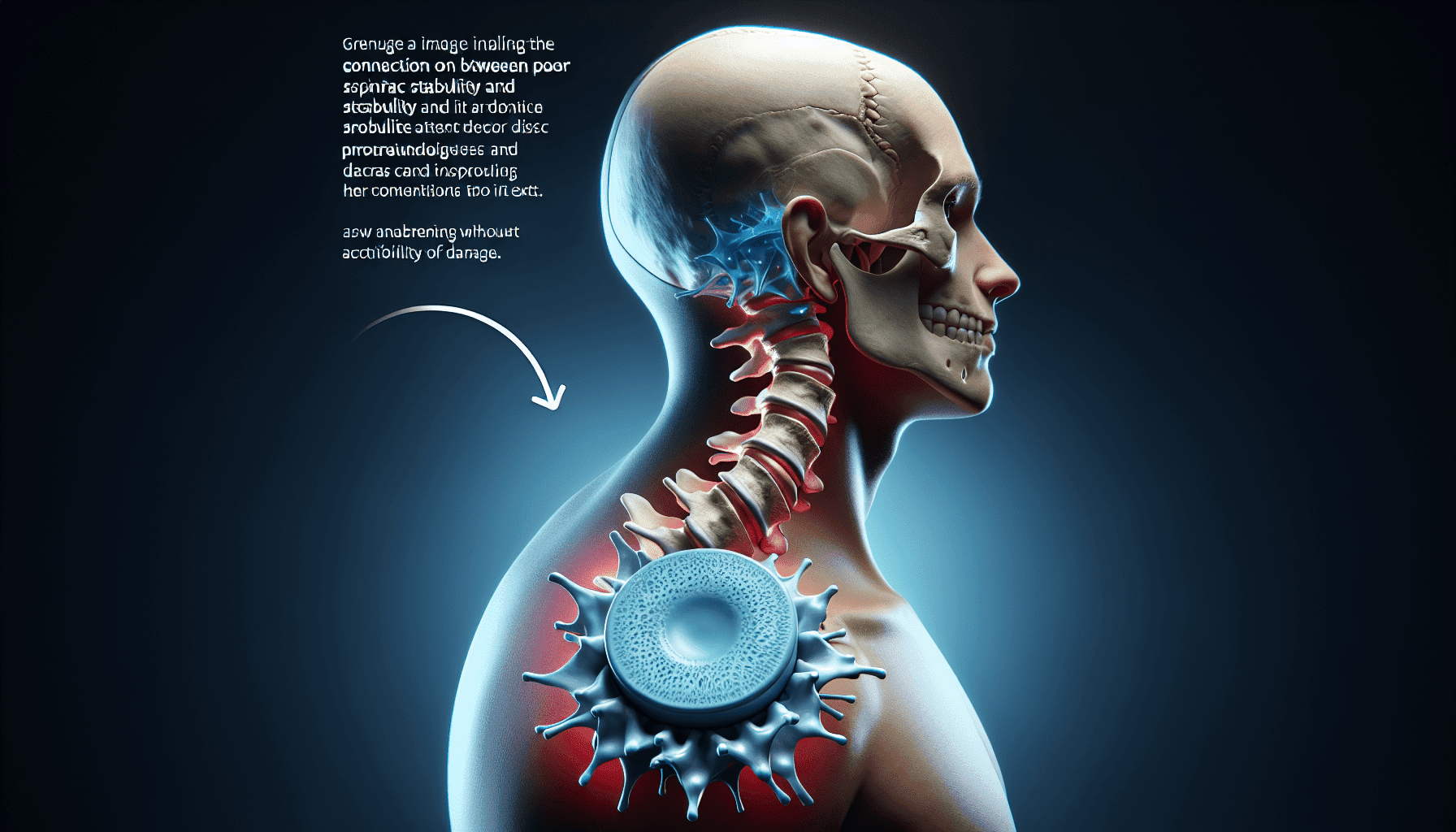
There is a close relationship between spinal stability and the risk of disc protrusion. Poor spinal stability can significantly increase the likelihood of disc protrusion and associated symptoms.
Impact of poor spinal stability on disc health
When the spine lacks stability, the intervertebral discs are subjected to excessive stress and strain, increasing the risk of disc protrusion. Poor spinal stability can result from weak core muscles, muscular imbalances, poor posture, and inadequate spinal support. These factors contribute to abnormal loading and improper distribution of forces within the spine, leading to increased wear and tear on the discs.
Effect of spinal instability on disc loading and pressure
Spinal instability can lead to abnormal loading and pressure on the intervertebral discs. When the supporting muscles of the spine are weak or imbalanced, the discs bear a greater portion of the load, which can cause excessive pressure on certain regions. This increased pressure can contribute to degenerative changes, weakening of the annulus fibrosus, and an increased risk of disc protrusion.
Role of spinal muscles in maintaining stability and preventing disc protrusion
The muscles surrounding the spine play a vital role in maintaining stability and preventing disc protrusion. The deep core muscles, including the transversus abdominis, multifidus, and pelvic floor muscles, provide support and stabilization to the spine, helping to distribute loads evenly and reduce excessive stress on the intervertebral discs. By strengthening these muscles, individuals can improve spinal stability and reduce the risk of disc protrusion.
Factors contributing to poor spinal stability
Various factors can contribute to poor spinal stability, increasing the risk of disc protrusion and related complications.
Weak core muscles
Weakness in the core muscles, including the abdominal, back, and pelvic floor muscles, can compromise spinal stability. These muscles play a crucial role in supporting the spine and maintaining proper alignment. When they are weak, the spine becomes more susceptible to excessive motion, abnormal loading, and increased strain on the intervertebral discs.
Muscular imbalances
Muscular imbalances, such as overactive or underactive muscles, can disrupt the normal movement patterns and stability of the spine. Imbalances between the major muscles groups, such as the abdominals and the erector spinae muscles, can result in uneven loading on the intervertebral discs, increasing the risk of disc protrusion.
Poor posture
Sustaining poor posture over time can contribute to spinal instability. Slouching or hunching forward places undue stress on the spinal structures, including the intervertebral discs. This can lead to increased pressure on the discs and a higher risk of disc protrusion.
Inadequate spinal support
Insufficient external support, such as improperly fitting or worn-out mattresses, pillows, or seating, can compromise spinal stability. Without proper support, the spine may be subjected to excess pressure and strain, leading to increased wear and tear on the discs and an increased risk of disc protrusion.
Prevention and management of spinal instability
Preventing and managing spinal instability is crucial to reduce the risk of disc protrusion and related complications. Several strategies can help improve spinal stability and promote a healthy spine.
Exercises for improving core strength and stability
Engaging in regular exercise programs that focus on strengthening the core muscles can help improve spinal stability. Exercises such as planks, bridges, and bird-dogs can target the deep core muscles, enhancing their ability to support the spine and reduce the risk of disc protrusion.
Importance of proper posture
Maintaining proper posture is essential for spinal stability. Practicing good posture while standing, sitting, and performing daily activities can help distribute forces evenly throughout the spine, reducing the strain on the intervertebral discs. Ergonomic modifications, such as using proper desk chairs and adjusting computer screens to eye level, can also support proper posture and spinal stability.
Ergonomic considerations for spinal health
Ensuring proper ergonomic setups at work and home can play a significant role in maintaining spinal stability. Proper positioning of computer screens, chairs, and desks, along with periodic breaks and stretches, can reduce the risk of excessive strain on the spine and improve overall spinal health.
Use of braces or external supports
In cases of significant spinal instability, the use of braces or external supports may be beneficial. These devices can provide additional support to the spine, redistributing loads and reducing the risk of disc protrusion.
Physical therapy and rehabilitation
Physical therapy and rehabilitation programs can be effective in managing spinal instability. These programs focus on improving core strength, flexibility, posture, and body mechanics, promoting spinal stability and reducing the risk of disc protrusion. Additionally, physical therapists can provide guidance on proper exercise techniques and lifestyle modifications to support long-term spinal health.
Diagnosing spinal instability
The diagnosis of spinal instability typically involves a comprehensive evaluation by a healthcare professional, combined with the use of imaging techniques and functional tests.
Clinical evaluation by a healthcare professional
During a clinical evaluation, a healthcare professional will assess the patient’s medical history, symptoms, and perform a physical examination. They may evaluate the patient’s posture, muscle strength, range of motion, and perform specific tests to assess spinal stability.
Imaging techniques (X-rays, MRI) to assess spinal stability
Imaging techniques, such as X-rays and magnetic resonance imaging (MRI), can provide valuable information about the structure and stability of the spine. X-rays can help identify any bony abnormalities or alignment issues, while MRI scans can visualize the intervertebral discs, spinal ligaments, and other soft tissues, assessing their integrity and stability.
Functional tests to evaluate muscle strength and coordination
Functional tests may be used to assess muscle strength, flexibility, and coordination, which can provide valuable insights into spinal stability. These tests may involve activities such as balancing, bending, twisting, or lifting weights to evaluate how the spine and surrounding muscles respond to various movements and loads.
Treatment options for disc protrusion
The treatment options for disc protrusion depend on the severity of symptoms, the extent of the disc protrusion, and the individual’s overall health. Treatment approaches can range from conservative measures to minimally invasive procedures or, in some cases, surgical interventions.
Conservative treatments (rest, physical therapy, medication)
Conservative treatments for disc protrusion may include rest, physical therapy exercises, pain medications, and anti-inflammatory drugs. Rest and avoiding activities that exacerbate symptoms can help relieve pain and reduce inflammation. Physical therapy can provide exercises to strengthen the core muscles, improve flexibility, and promote spinal stability. Medications can be used to manage pain and inflammation temporarily.
Minimally invasive procedures (epidural injections, nerve blocks)
For individuals with persistent or severe symptoms, minimally invasive procedures such as epidural injections or nerve blocks may be recommended. These procedures involve the delivery of medications directly to the affected area, targeting inflammation and reducing pain. Minimally invasive procedures can provide temporary or long-term relief, depending on the individual’s specific condition.
Surgical interventions (discectomy, spinal fusion)
Surgical interventions may be considered for individuals with severe or refractory cases of disc protrusion. Surgical procedures such as discectomy or spinal fusion aim to remove the protruding disc material, stabilize the affected segment, and alleviate pressure on the nerves. Surgical interventions are typically reserved for cases where conservative treatments have not provided sufficient relief.
Recovery and rehabilitation
After undergoing treatment for disc protrusion, it is important to prioritize post-treatment care and engage in rehabilitation to support the recovery process.
Importance of post-treatment care
Post-treatment care is crucial for a successful recovery from disc protrusion. Following the healthcare professional’s recommendations, such as adhering to activity restrictions, using prescribed medications, and attending follow-up appointments, can help optimize healing and prevent potential complications.
Physical therapy and exercises for rehabilitation
Physical therapy and exercises play a vital role in the rehabilitation process after disc protrusion. The focus of rehabilitation is to rebuild core strength, improve flexibility, correct muscle imbalances, and promote proper movement patterns. Physical therapists can guide individuals through specific exercises and stretches to aid in the recovery process and enhance long-term spinal stability.
Lifestyle modifications for long-term spinal stability
Making appropriate lifestyle modifications can significantly contribute to long-term spinal stability and reduce the risk of future disc protrusion. This may include maintaining proper posture, engaging in regular exercise, avoiding activities that strain the spine, adopting ergonomic practices at work and home, and scheduling regular check-ups to monitor spinal health.
Preventing future disc protrusion
Taking proactive steps to prevent future disc protrusion is essential for maintaining a healthy spine and reducing the risk of recurrence.
Maintaining proper posture and body mechanics
Maintaining proper posture and using correct body mechanics during daily activities are crucial preventive measures. This involves maintaining a neutral spine position while sitting, standing, and lifting heavy objects, as well as avoiding excessive or prolonged bending, twisting, or reaching.
Regular exercise and strengthening of core muscles
Regular exercise and strengthening of the core muscles can contribute to spinal stability and reduce the risk of disc protrusion. Engaging in activities that target the core muscles, such as yoga, Pilates, or specific strength training exercises, helps improve muscle strength, endurance, and spinal support.
Avoiding excessive weightlifting or activities that strain the spine
Avoiding excessive weightlifting or activities that place excessive strain on the spine is crucial for preventing future disc protrusion. It is important to use proper lifting techniques, avoid excessive loads, and seek assistance or equipment, such as lifting belts, when necessary.
Proper ergonomic practices at work and home
Practicing proper ergonomics at work and home is essential for spinal health. This includes using adjustable chairs and desks, positioning computer screens at eye level, taking regular breaks to stretch and move, and maintaining a supportive and comfortable sleeping environment.
Regular check-ups and monitoring of spinal health
Regular check-ups and monitoring of spinal health can help detect any early signs of instability or disc protrusion. Routine visits to a healthcare professional, such as a chiropractor or physical therapist, can provide valuable insights into spinal health and allow for timely intervention if issues arise.
In conclusion, poor spinal stability is a significant influencing factor in the risk of disc protrusion. Maintaining spinal stability through exercises, proper posture, ergonomic considerations, and addressing muscular imbalances can help reduce the risk of disc protrusion, promote a healthy spine, and prevent future complications. It is essential to seek professional evaluation and guidance to diagnose and manage spinal instability, as well as to tailor treatment options and rehabilitation programs to individual needs. By prioritizing spinal health and adopting preventive measures, individuals can enjoy a pain-free and functional life with improved spinal stability.