

Are you at Risk for a Repetitive Motion Injury?
If you spend hours sitting at a desk, typing on a computer, or engaging in repetitive movements at work, you may be at risk for developing a repetitive motion injury. These injuries can lead to discomfort, pain, and long-term issues if left untreated. This article will provide you with tips on how to avoid repetitive motion injuries to prevent disc protrusion and maintain a healthy spine.

Understanding Repetitive Motion Injuries
Repetitive motion injuries are caused by performing the same motion over and over again, leading to strain on the muscles, tendons, and joints involved. These injuries can occur in various parts of the body, including the hands, wrists, arms, shoulders, and spine. Understanding how these injuries develop can help you take steps to prevent them from occurring.
Common Causes of Repetitive Motion Injuries
Repetitive motion injuries can be caused by a variety of factors, including poor posture, improper ergonomics, and overuse of certain muscles. Identifying the common causes of these injuries can help you make changes to your daily routine to prevent them.
How to Avoid Repetitive Motion Injuries at Work
If you spend a significant amount of time at a desk or working with repetitive motions, there are several steps you can take to avoid developing a repetitive motion injury. Making small adjustments to your workspace and taking regular breaks can go a long way in preventing these injuries.
Tips for Setting Up an Ergonomic Workspace
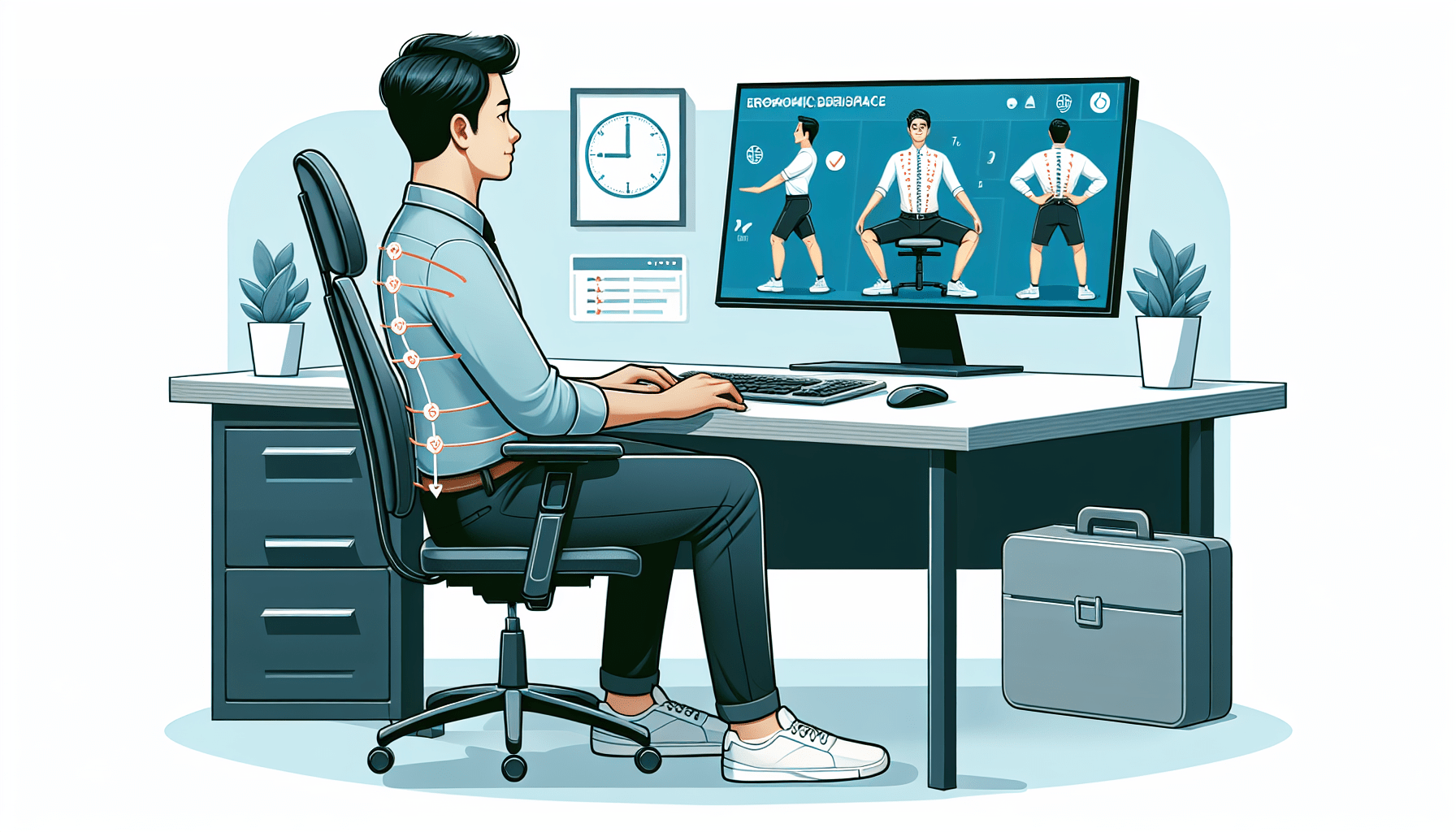
Creating an ergonomic workspace is essential for preventing repetitive motion injuries. This includes setting up your desk, chair, and computer in a way that promotes good posture and reduces strain on your body. Consider investing in a supportive chair, an adjustable desk, and a keyboard and mouse that are at the right height for comfortable use.

The Importance of Stretching and Exercise
Engaging in regular stretching and exercise can help prevent repetitive motion injuries by keeping your muscles flexible and strong. Incorporate stretches and exercises that target the muscles used in your daily activities to reduce the risk of injury.
Avoiding Repetitive Motions Outside of Work
It’s important to be mindful of repetitive motions outside of work as well. Activities like gardening, cleaning, and sports can also put strain on your muscles and joints if done improperly. Pay attention to your body mechanics during these activities and take breaks when needed to prevent injury.

Recognizing the Signs of a Repetitive Motion Injury
Being able to recognize the signs of a repetitive motion injury is crucial for early intervention and treatment. Common symptoms include pain, stiffness, swelling, and numbness in the affected area. If you experience any of these symptoms, it’s important to seek medical attention and make changes to prevent further injury.
Preventing Disc Protrusion through Proper Posture
Disc protrusion, also known as a herniated disc, can result from repetitive motion injuries if the spine is not properly aligned. Maintaining good posture throughout the day can help prevent disc protrusion by reducing the pressure on the spinal discs and supporting the natural curvature of the spine.
Tips for Maintaining Good Posture
Practicing good posture is essential for preventing disc protrusion and maintaining a healthy spine. Keep your shoulders back, your head aligned with your spine, and your feet flat on the floor when sitting or standing. Avoid slouching or rounding your shoulders to reduce strain on your back.
Using Proper Lifting Techniques
Improper lifting techniques can put excess strain on your spine and increase the risk of disc protrusion. When lifting heavy objects, remember to bend your knees, keep your back straight, and lift with your legs rather than your back. Using proper lifting techniques can help prevent injury and protect your spine.

Importance of Rest and Recovery
Rest and recovery are essential for preventing repetitive motion injuries and promoting overall health and well-being. Make sure to take breaks throughout the day to rest your muscles and joints, especially if you engage in repetitive activities. Incorporate rest days into your exercise routine to allow your body time to recover and repair.
Seeking Professional Help
If you are experiencing persistent pain or discomfort due to repetitive motion injuries, it’s important to seek professional help from a healthcare provider. Physical therapists, chiropractors, and orthopedic specialists can provide you with treatment options and personalized recommendations for preventing and managing these injuries.
In conclusion, avoiding repetitive motion injuries is essential for preventing disc protrusion and maintaining a healthy spine. By making simple changes to your daily routine, such as setting up an ergonomic workspace, practicing good posture, and incorporating stretching and exercise, you can reduce the risk of developing these injuries. Pay attention to your body’s signals, seek professional help when needed, and prioritize rest and recovery to keep your spine healthy and pain-free.