
Welcome to an informative article on how to maintain proper posture in order to prevent disc protrusion. By ensuring you sit and stand correctly, make necessary adjustments to your workstation, and engage in regular exercise to strengthen your core muscles, you can significantly reduce your risk of developing disc protrusion, a common spinal condition. Let’s explore some practical tips and strategies that can help you maintain good posture and protect your spine from unnecessary strain. Have you ever experienced back pain or discomfort, especially in the lower back? Did you know that your posture plays a crucial role in preventing disc protrusion, a common cause of back pain? In this article, we will discuss how you can maintain proper posture to prevent disc protrusion and keep your spine healthy. Let’s dive in!

Understanding Disc Protrusion
Before we delve into how to prevent disc protrusion, let’s first understand what it is. Disc protrusion, also known as a herniated disc, occurs when the soft inner core of a spinal disc pushes out through the tough outer layer. This can lead to pain, numbness, and weakness in the back, neck, arms, or legs, depending on the location of the affected disc.
How Does Disc Protrusion Happen?
Disc protrusion can be caused by various factors, including:
- Poor Posture: Slouching or sitting with rounded shoulders puts extra pressure on the spine, leading to disc protrusion over time.
- Lifting Heavy Objects Incorrectly: Lifting heavy objects with improper form can strain the back and increase the risk of disc protrusion.
- Sedentary Lifestyle: Lack of physical activity weakens the muscles that support the spine, making it more susceptible to disc protrusion.
- Aging: As we age, the spinal discs lose their flexibility and elasticity, making them more prone to protrusion.
Understanding these causes can help you take preventive measures to maintain proper posture and reduce the risk of disc protrusion.
Importance of Proper Posture
Proper posture plays a vital role in maintaining the alignment of the spine and reducing the risk of disc protrusion. When you have good posture, the spine is properly aligned, reducing the stress on the discs, muscles, and ligaments that support it. Proper posture also helps improve breathing, circulation, and overall comfort.
Benefits of Good Posture
- Reduced Risk of Back Pain: Maintaining proper posture helps distribute weight evenly and reduces strain on the spine, lowering the risk of back pain.
- Improved Digestion: Good posture allows your organs to function optimally, promoting better digestion and preventing gastrointestinal issues.
- Enhanced Confidence: Standing tall with good posture can boost your confidence and make you appear more poised and self-assured.
By understanding the importance of good posture, you can make conscious efforts to improve your posture and prevent disc protrusion.
Tips for Maintaining Proper Posture
Now that you understand the significance of proper posture in preventing disc protrusion, let’s explore some practical tips to help you maintain good posture throughout the day.
Sit and Stand Tall
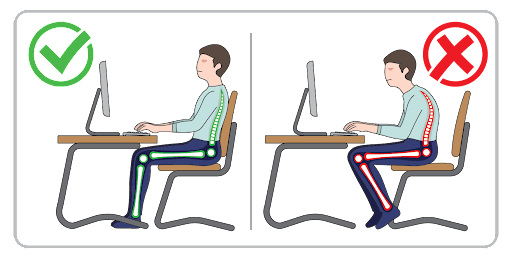
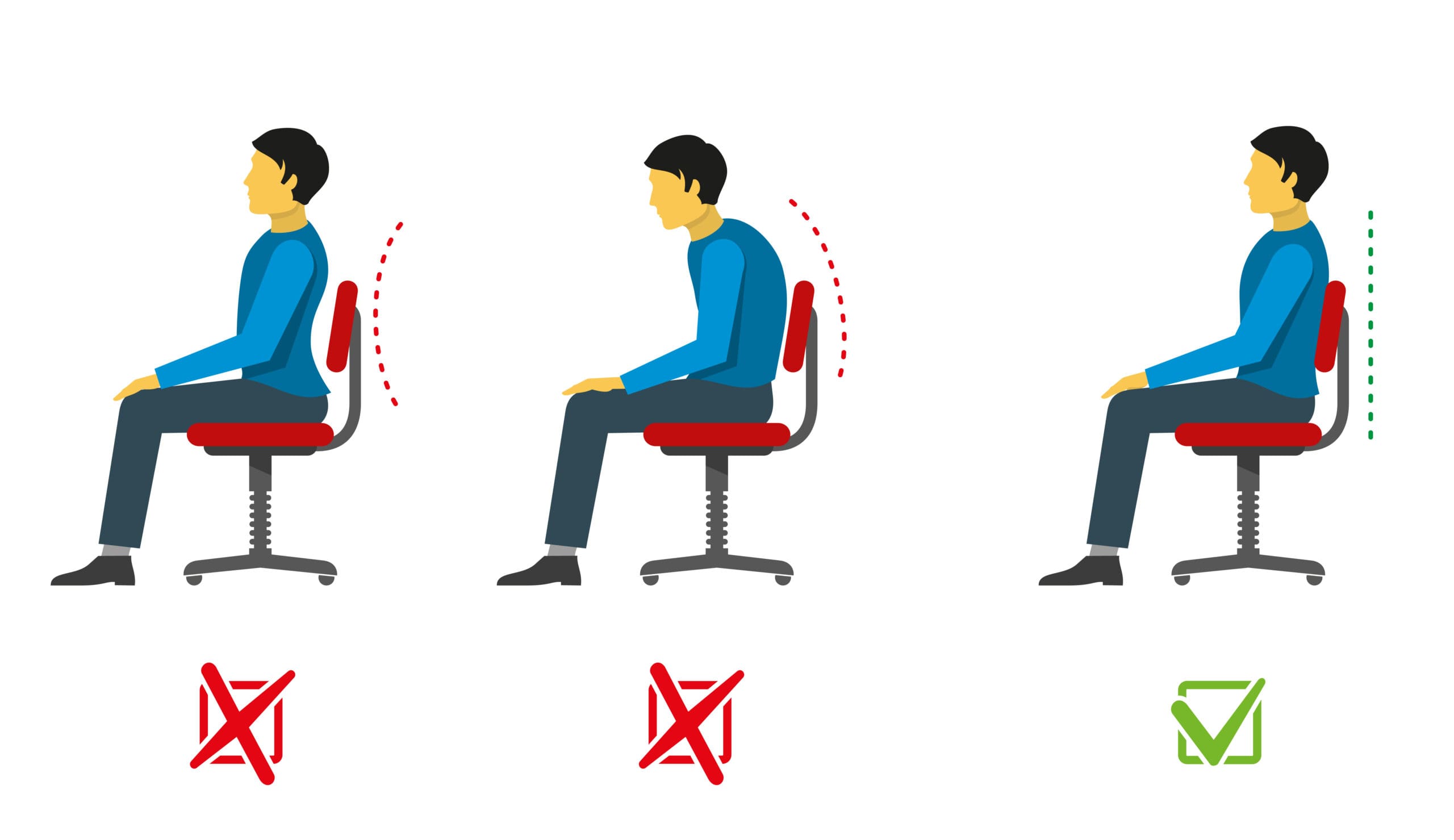
Whether you are sitting at a desk or standing, make sure to maintain a straight back with your shoulders back and down. Avoid slouching or leaning forward, as this can put unnecessary strain on your spine and lead to disc protrusion.
Keep Your Head Aligned
Your head should be in line with your shoulders when sitting or standing. Avoid jutting your head forward, as this can strain the neck and upper back muscles. Position your computer screen at eye level to help keep your head in a neutral position.
Support Your Lower Back
When sitting, use a chair with proper lumbar support or place a small cushion behind your lower back to maintain the natural curve of your spine. This helps reduce the risk of disc protrusion and provides comfort for your lower back.
Keep Your Feet Flat
When sitting, keep your feet flat on the floor or on a footrest. Avoid crossing your legs or sitting with one foot tucked under the chair, as this can lead to imbalance and poor posture. Keeping your feet flat helps distribute weight evenly and promotes proper alignment.
Take Breaks and Stretch
Sitting or standing in one position for an extended period can strain your muscles and lead to poor posture. Take short breaks throughout the day to stand up, stretch, and change positions. Simple stretching exercises can help relieve tension and improve flexibility in your back muscles.
Practice Good Posture While Sleeping
Maintaining proper posture while sleeping is essential for spinal health. Use a supportive mattress and pillows that keep your spine aligned in a neutral position. Avoid sleeping on your stomach, as this can strain the neck and lower back. Instead, sleep on your side or back with a pillow between your knees for added support.
By following these tips and incorporating them into your daily routine, you can improve your posture, reduce the risk of disc protrusion, and promote overall spinal health.

Exercises to Strengthen Your Core
In addition to maintaining good posture, strengthening your core muscles is essential for supporting your spine and preventing disc protrusion. Strong core muscles help stabilize the spine, improve posture, and reduce the risk of back pain.
Plank
The plank is a simple yet effective exercise for strengthening the core muscles. To perform a plank, start in a push-up position with your hands directly under your shoulders and your body in a straight line from head to heels. Hold this position for 30 seconds to one minute, engaging your abdominal muscles and keeping your spine neutral.
Bridge
The bridge exercise targets the lower back, glutes, and core muscles. Lie on your back with your knees bent and feet flat on the floor. Lift your hips off the ground, keeping your body in a straight line from shoulders to knees. Hold this position for 15-30 seconds, then lower your hips back to the ground. Repeat for 10-15 repetitions.
Bird Dog
The bird dog exercise strengthens the core and stabilizes the spine. Begin on your hands and knees with your wrists directly under your shoulders and knees under your hips. Extend your right arm forward and left leg back, keeping your hips level. Hold for a few seconds, then return to the starting position and switch sides. Repeat for 10-15 repetitions on each side.
By incorporating these core-strengthening exercises into your workout routine, you can build a strong foundation to support proper posture and reduce the risk of disc protrusion.
Ergonomic Tips for Workplace Posture
Many of us spend long hours sitting at a desk or working on a computer, which can take a toll on our posture and spine health. By following ergonomic tips and setting up your workspace correctly, you can promote good posture and prevent disc protrusion while working.
Adjust Your Chair
Choose a chair with adjustable height and lumbar support to maintain proper posture while sitting. Adjust the chair height so that your feet are flat on the floor and your knees are at a 90-degree angle. Use a footrest if needed to support your feet and reduce pressure on your lower back.
Position Your Computer
Place your computer screen at eye level to avoid straining your neck or leaning forward. Position the keyboard and mouse within easy reach to prevent reaching or extending your arms. Keep your wrists straight and elbows at a 90-degree angle to reduce strain on your wrists and forearms.
Take Micro-breaks
Set a timer to remind yourself to take short breaks throughout the day to stretch, stand up, and move around. Use these micro-breaks to change positions, walk around, or perform simple stretches to relieve muscle tension and maintain good posture.
Use Proper Lighting
Ensure that your workspace is well-lit to reduce eye strain and maintain good posture. Adjust the lighting to avoid glare on your computer screen or documents. Position your desk lamp to illuminate your work area without casting shadows that strain your eyes or cause you to hunch forward.
By implementing these ergonomic tips and creating a workspace that supports good posture, you can prevent disc protrusion and promote spinal health while working long hours at a desk.
Conclusion
Maintaining proper posture is essential for preventing disc protrusion and promoting overall spinal health. By understanding the causes of disc protrusion, the benefits of good posture, and practical tips for maintaining proper posture, you can reduce the risk of back pain and discomfort. Incorporate core-strengthening exercises, ergonomic workplace tips, and healthy habits into your daily routine to support your spine and prevent disc protrusion. Remember, small changes in your posture and habits can make a significant difference in the health of your spine. So stand tall, sit straight, and take care of your back for a healthier, pain-free life.