Are You Dealing with Disc Protrusion?
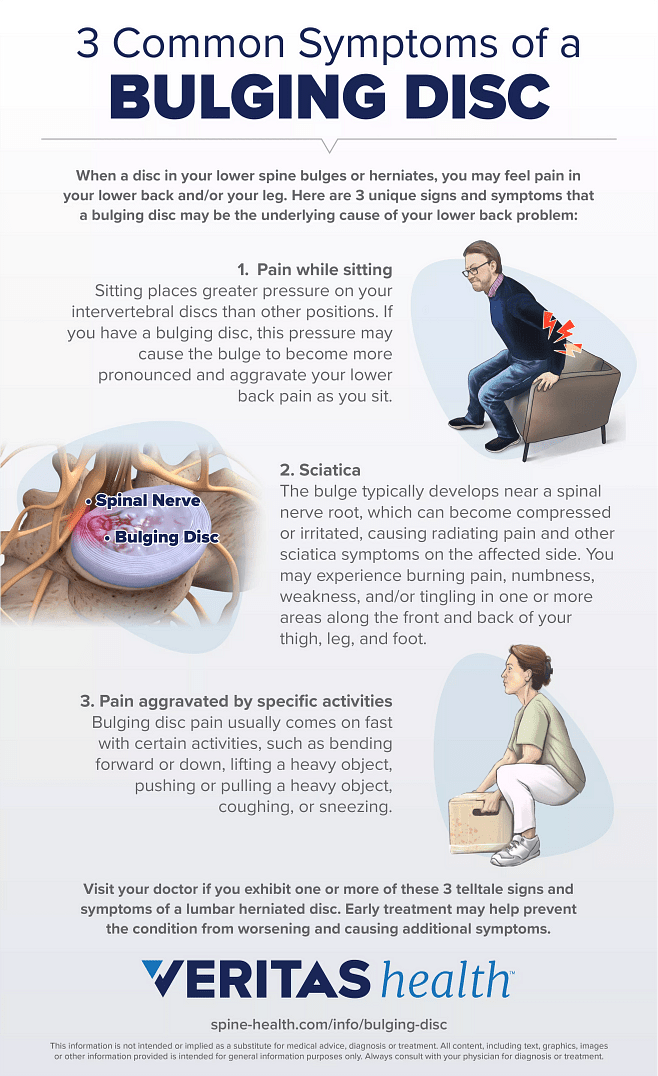
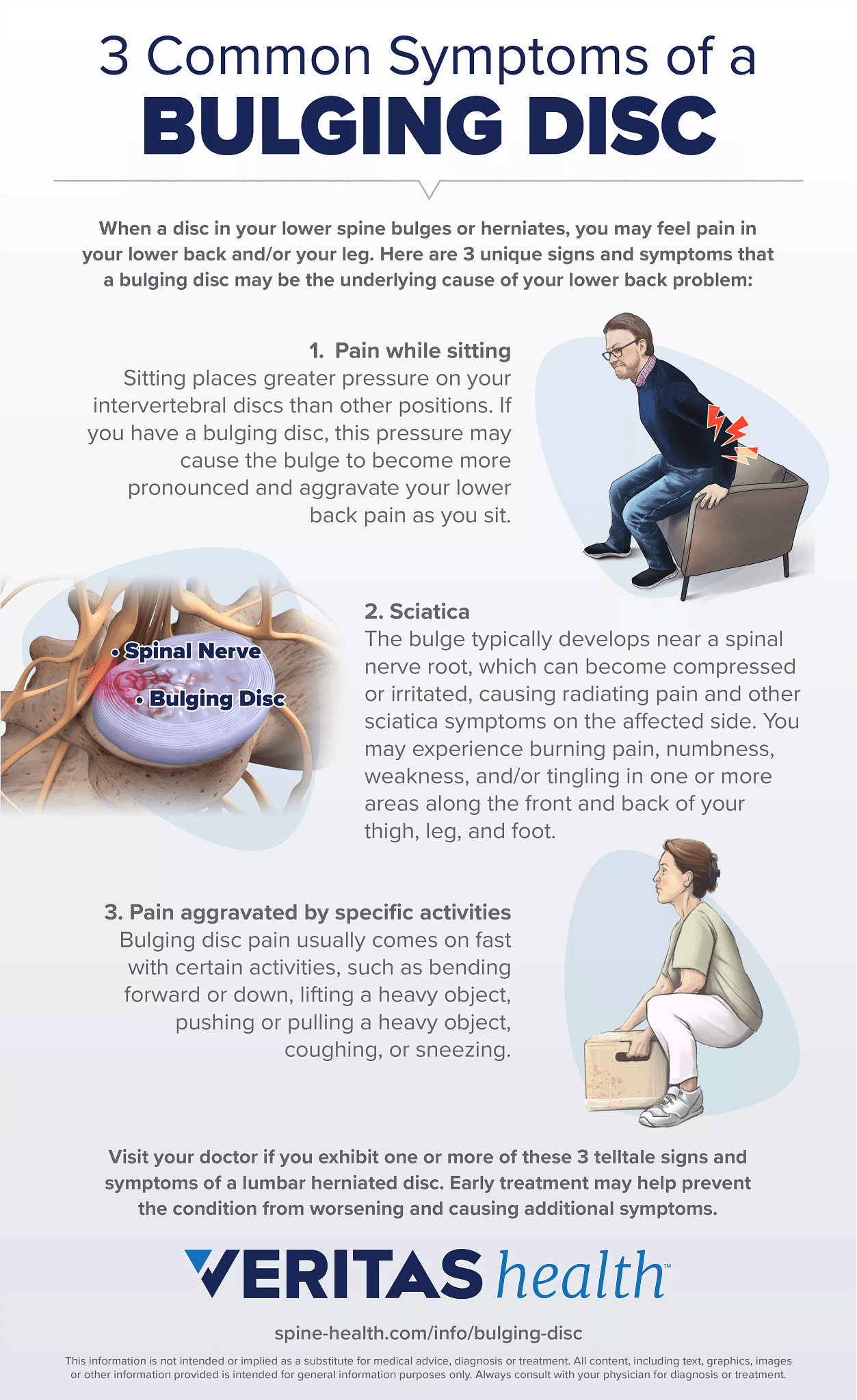
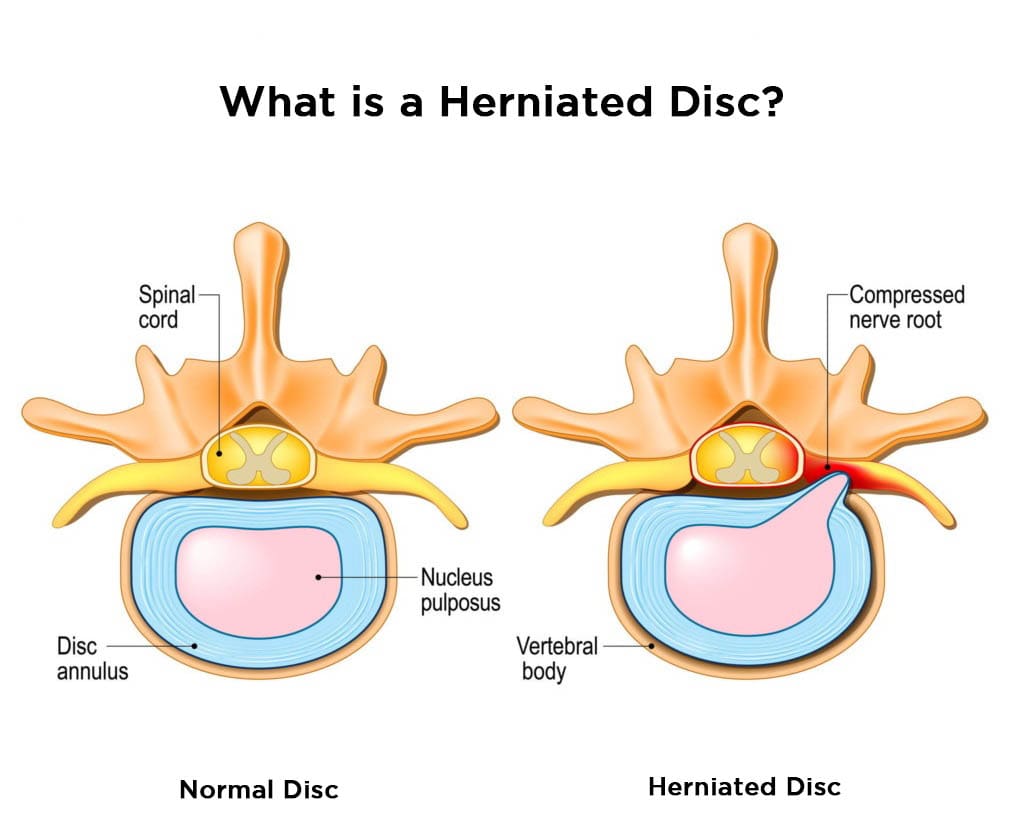
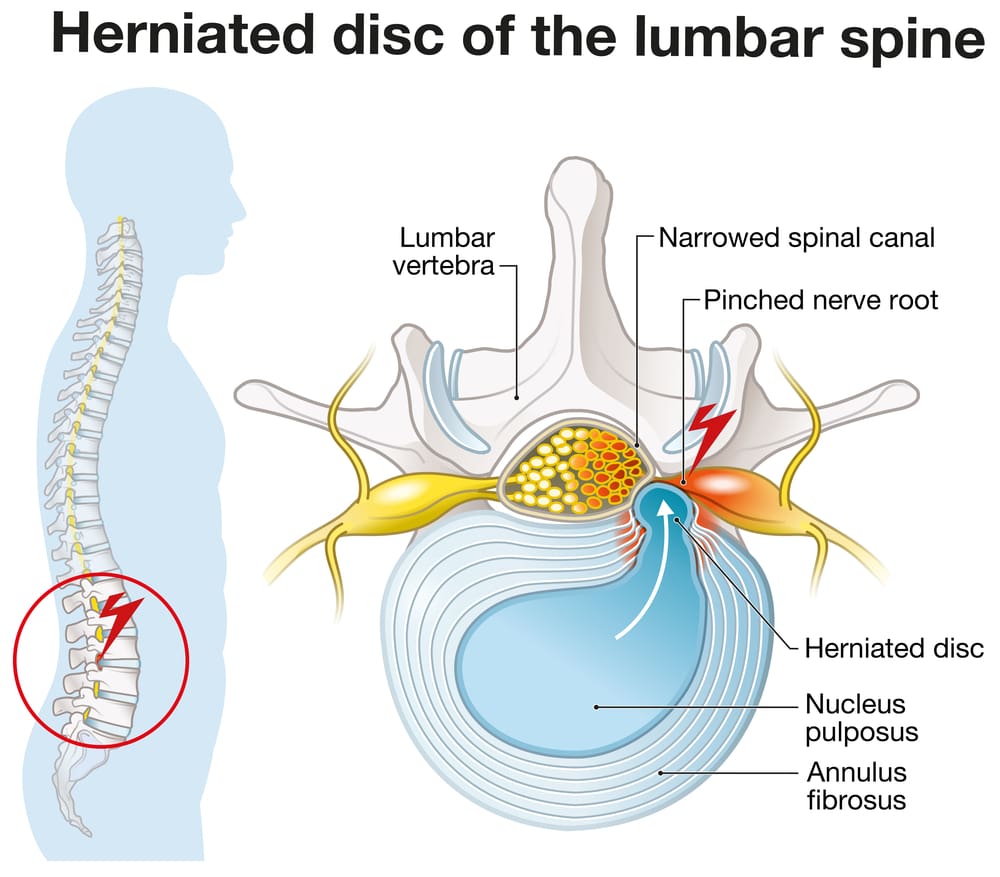
If you are experiencing back pain, numbness, tingling, or weakness in your legs, you may be dealing with disc protrusion. Disc protrusion occurs when the soft inner core of a spinal disc pushes through the tough outer layer, putting pressure on nearby nerves. This can result in various symptoms and can lead to more severe issues if left untreated.
It is important to seek medical advice
It is important to seek medical advice if you suspect you have disc protrusion. A healthcare professional will be able to properly diagnose your condition and recommend the best course of treatment. Ignoring the symptoms of disc protrusion can lead to worsening pain and potential nerve damage.
Understanding the Causes of Disc Protrusion
Disc protrusion can be caused by a variety of factors, including poor posture, heavy lifting, sudden trauma, or natural degeneration of the spine. Understanding the causes of disc protrusion can help you prevent it from worsening and improve your overall spine health.
Lifestyle factors can contribute to disc protrusion
Factors such as poor posture, heavy lifting, and lack of physical activity can contribute to the development of disc protrusion. It is important to be mindful of your daily habits and make changes to reduce the risk of worsening your condition.
Natural degeneration of the spine can lead to disc protrusion
As we age, the discs in our spine naturally begin to degenerate, making them more susceptible to issues like disc protrusion. By maintaining a healthy lifestyle and staying active, you can help slow down the degeneration of your spine and prevent further disc protrusion.
Tips for Preventing Disc Protrusion From Worsening
There are several steps you can take to prevent disc protrusion from worsening and improve your spine health. By incorporating these tips into your daily routine, you can reduce pain, improve mobility, and prevent further damage to your spine.
Maintain good posture
Good posture is essential for preventing disc protrusion from worsening. Make sure to sit and stand up straight, with your shoulders back and your spine aligned. Avoid slouching or hunching over, as this can put unnecessary strain on your spine and make your symptoms worse.
Practice proper body mechanics
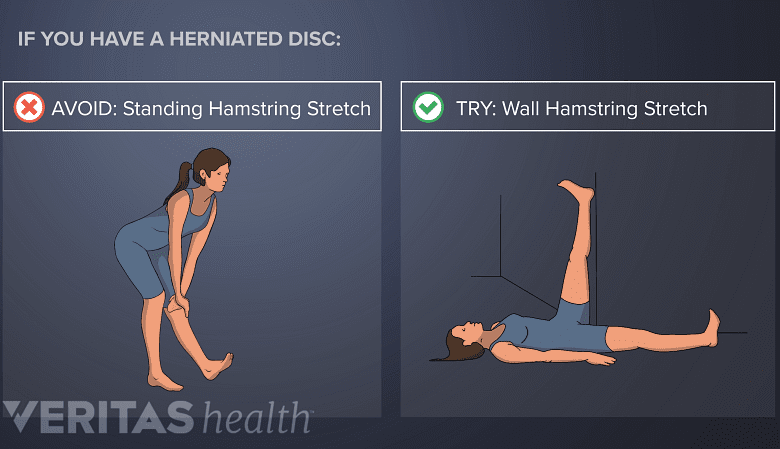
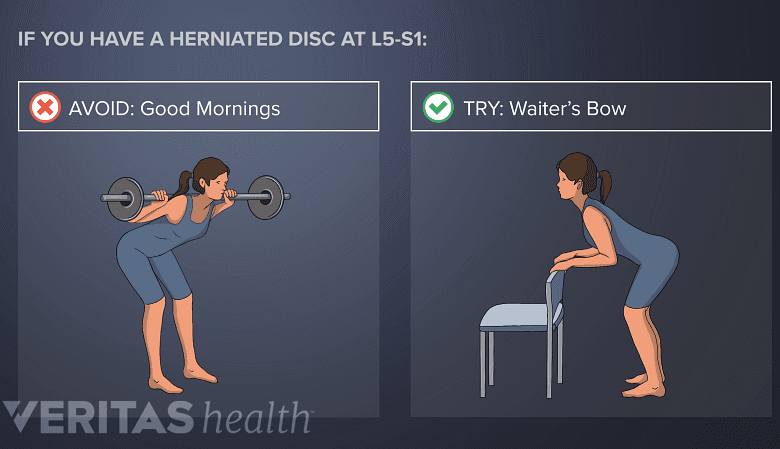
When lifting heavy objects or performing strenuous activities, it is important to use proper body mechanics to prevent disc protrusion from worsening. Bend at your knees instead of your waist, lift with your legs instead of your back, and avoid twisting your spine while carrying objects.
Stay active and exercise regularly
Regular exercise is crucial for maintaining a healthy spine and preventing disc protrusion from worsening. Focus on exercises that strengthen the muscles supporting your spine, such as yoga, Pilates, or weight training. By staying active, you can improve your overall spine health and reduce the risk of further damage.
Maintain a healthy weight
Excess weight can put additional strain on your spine and exacerbate symptoms of disc protrusion. By maintaining a healthy weight through a balanced diet and regular exercise, you can reduce pressure on your spine and prevent further damage.
Use ergonomic furniture and equipment
Investing in ergonomic furniture and equipment can help alleviate symptoms of disc protrusion and prevent it from worsening. Use an ergonomic chair with proper lumbar support, adjust your computer screen to eye level, and use tools that reduce strain on your spine while working or performing daily tasks.
Treatment Options for Disc Protrusion
If you are experiencing severe symptoms of disc protrusion or have been diagnosed with a disc herniation, there are several treatment options available to help alleviate pain and improve your condition. From conservative treatments to more invasive procedures, there are options to suit your specific needs and preferences.
Conservative treatments
Conservative treatments for disc protrusion include rest, physical therapy, medication, and lifestyle modifications. Resting and avoiding strenuous activities can give your spine time to heal, while physical therapy can help strengthen the muscles supporting your spine and improve flexibility. Medications such as nonsteroidal anti-inflammatory drugs (NSAIDs) can help reduce pain and inflammation, while lifestyle modifications can help prevent further damage to your spine.
Injections
In some cases, injections may be recommended to help alleviate pain and reduce inflammation associated with disc protrusion. Options such as epidural steroid injections or nerve blocks can provide temporary relief and help manage symptoms while you work on improving your spine health through other means.
Surgical options
If conservative treatments and injections do not provide relief or if your symptoms are severe, surgery may be necessary to treat disc protrusion. Surgical options for disc protrusion include discectomy, laminectomy, or spinal fusion, depending on the severity and location of the protruding disc. Your healthcare provider will discuss the risks and benefits of surgery with you and help you make an informed decision about your treatment options.
Alternative therapies
In addition to traditional treatments, alternative therapies such as chiropractic care, acupuncture, massage therapy, or herbal supplements may also help alleviate symptoms of disc protrusion and improve your condition. These therapies focus on holistic approaches to healing and may be used in conjunction with other treatments for optimal results.
Maintaining a Healthy Spine Long-Term
Preventing disc protrusion from worsening is just the first step in maintaining a healthy spine long-term. By incorporating these tips into your daily routine and making proactive choices to improve your spine health, you can prevent future issues and enjoy a pain-free, active lifestyle.
Regular check-ups and screenings
Regular check-ups with your healthcare provider and screenings such as X-rays or MRI scans can help monitor the health of your spine and detect any potential issues early on. By staying proactive about your spine health, you can address any concerns before they worsen and take steps to prevent disc protrusion or other conditions from developing.
Stay active and maintain a healthy lifestyle
Staying active and focusing on maintaining a healthy lifestyle are key factors in preventing disc protrusion and improving your spine health. Make time for regular exercise, eat a balanced diet rich in nutrients that support bone health, and prioritize self-care practices such as stress management and relaxation techniques to keep your spine in top shape.
Practice good ergonomics
Incorporating good ergonomics into your daily routine, both at work and at home, can help prevent disc protrusion and reduce strain on your spine. Use proper posture, ergonomic furniture, and tools that support your spine while performing daily activities to keep your spine healthy and pain-free.
Listen to your body and seek help when needed
Above all, listen to your body and pay attention to any signs or symptoms that indicate potential issues with your spine. If you experience persistent pain, numbness, or weakness, seek medical advice promptly to prevent disc protrusion from worsening and address any underlying issues effectively.
Final Thoughts
By taking proactive steps to prevent disc protrusion from worsening and improving your overall spine health, you can enjoy a pain-free and active lifestyle long-term. From maintaining good posture and practicing proper body mechanics to exploring treatment options and alternative therapies, there are plenty of ways to address disc protrusion and keep your spine in top shape. Remember to listen to your body, seek help when needed, and make choices that support your spine health for years to come.