
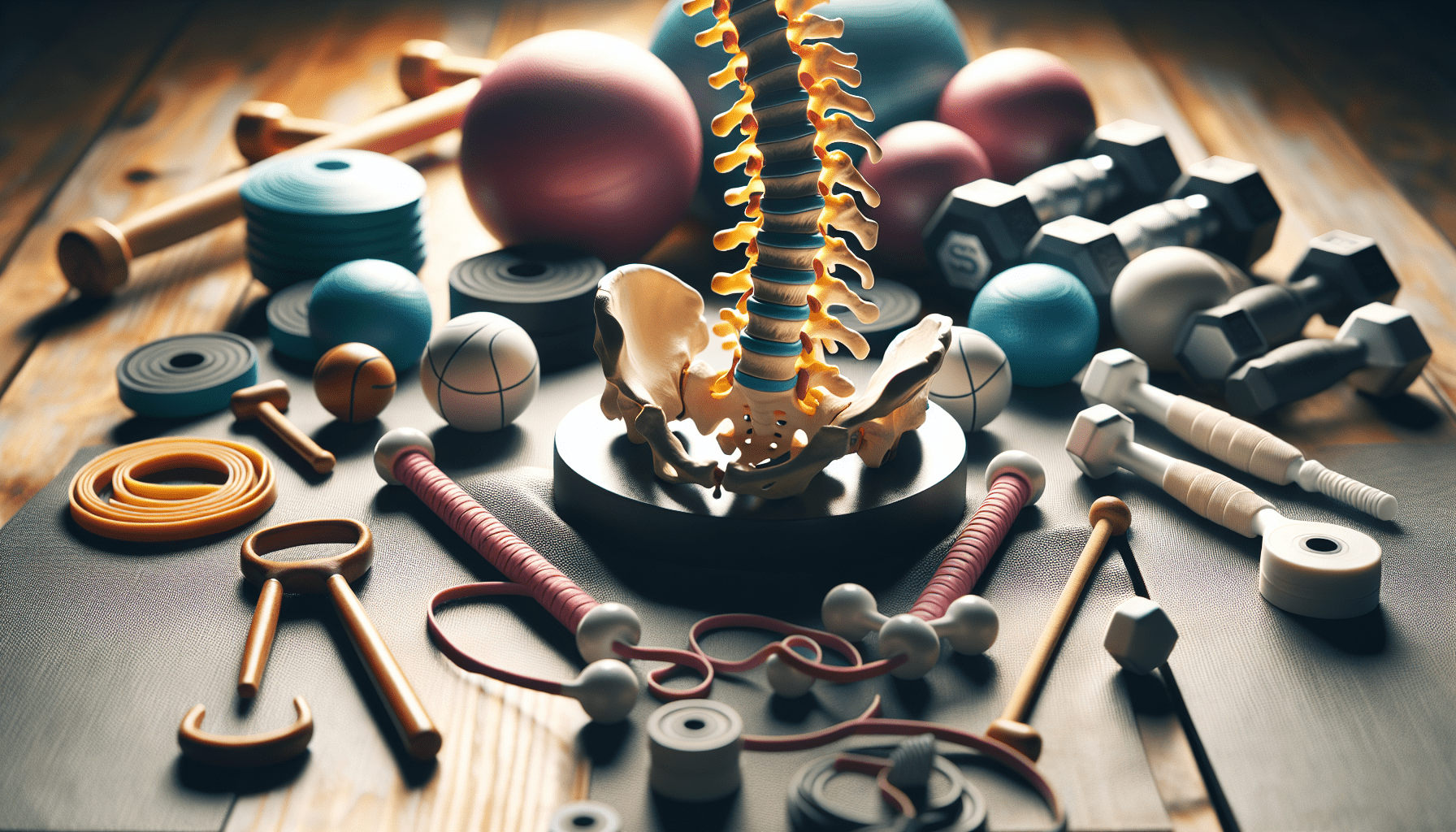
“How To Prevent Future Disc Protrusion Episodes”
Understanding Disc Protrusion
Do you know what disc protrusion is and how it can impact your daily life? Understanding this condition is crucial in preventing future episodes. Disc protrusion, also known as a slipped or herniated disc, occurs when the soft inner core of a spinal disc pushes through a weakened area of the outer disc. This can lead to pain, numbness, and weakness in the affected area.
Causes of Disc Protrusion
Now that you know what disc protrusion is, let’s discuss the common causes of this condition. Disc protrusion can be caused by a variety of factors, including:
- Age: As we age, the spinal discs naturally lose water content and become less flexible, making them more prone to protrusion.
- Injury: Trauma to the spine, such as from a fall or car accident, can lead to disc protrusion.
- Poor Posture: Slouching or hunching over for extended periods of time can put added pressure on the spinal discs, increasing the risk of protrusion.
- Genetics: Some individuals may be predisposed to disc protrusion due to genetic factors.
Understanding these causes can help you make lifestyle changes to prevent future disc protrusion episodes.
Symptoms of Disc Protrusion
What are the telltale signs of disc protrusion? Being aware of the symptoms can help you identify the condition early on and seek appropriate treatment. Common symptoms of disc protrusion include:
- Pain: Sharp or dull pain in the affected area, such as the lower back or neck.
- Numbness: Tingling or numbness in the arms, legs, or extremities.
- Weakness: Difficulty moving or controlling muscles in the affected area.
- Bowel or Bladder Changes: In severe cases, disc protrusion can lead to changes in bowel or bladder function.
If you experience any of these symptoms, it’s important to consult with a healthcare provider for a proper diagnosis and treatment plan.
Preventive Measures
Now that you have a better understanding of disc protrusion, let’s discuss some preventive measures you can take to avoid future episodes.
Maintain Good Posture
One of the most effective ways to prevent disc protrusion is by maintaining good posture. Make sure to sit and stand up straight, with your shoulders back and your spine aligned. Avoid slouching or hunching over for extended periods of time, as this can put added pressure on the spinal discs.
Exercise Regularly
Regular exercise is key to keeping your spine healthy and strong. Focus on exercises that strengthen the core muscles, such as yoga, Pilates, or weight training. These exercises can help support the spine and reduce the risk of disc protrusion.
Lift Heavy Objects Carefully
When lifting heavy objects, always remember to use proper lifting techniques. Bend at the knees, not at the waist, and lift with your legs instead of your back. Avoid twisting while lifting, as this can increase the risk of disc protrusion.
Maintain a Healthy Weight
Being overweight puts added stress on the spine and can increase the risk of disc protrusion. Maintain a healthy weight through a balanced diet and regular exercise to reduce the strain on your spinal discs.

Ergonomics and Lifestyle Changes
In addition to the preventive measures mentioned above, making ergonomic and lifestyle changes can also help prevent future disc protrusion episodes.
Ergonomic Workstation
If you have a desk job, it’s important to set up an ergonomic workstation to reduce strain on your spine. Make sure your computer monitor is at eye level, your chair provides adequate back support, and your feet are flat on the ground. Take breaks to stretch and move around throughout the day to prevent stiffness and discomfort.
Quit Smoking
Smoking can decrease blood flow to the spinal discs, making them less flexible and more prone to injury. If you smoke, consider quitting to reduce your risk of disc protrusion and other spinal conditions.
Stay Hydrated
Drinking an adequate amount of water is essential for maintaining healthy spinal discs. Water helps keep the discs hydrated and flexible, reducing the risk of protrusion. Aim to drink at least eight glasses of water a day to stay properly hydrated.
Seeking Professional Help
If you’re experiencing symptoms of disc protrusion or are at a high risk for this condition, it’s important to seek professional help. A healthcare provider can perform a physical exam, imaging tests, and other diagnostic procedures to assess the extent of your condition and recommend an appropriate treatment plan. Treatments for disc protrusion may include:
- Physical Therapy: Strengthening exercises, stretches, and other physical therapy modalities can help alleviate pain and improve function.
- Medications: Anti-inflammatory medications, muscle relaxants, or pain relievers may be prescribed to manage symptoms.
- Surgical Intervention: In severe cases of disc protrusion, surgery may be necessary to remove or repair the affected disc.

Conclusion
By understanding the causes, symptoms, and preventive measures of disc protrusion, you can take proactive steps to avoid future episodes. Maintaining good posture, exercising regularly, lifting heavy objects carefully, and making ergonomic and lifestyle changes are all key components of preventing disc protrusion. If you’re experiencing symptoms or are at a high risk for this condition, don’t hesitate to seek professional help for a proper diagnosis and treatment plan. Remember, taking care of your spine is essential for your overall health and well-being.