How To Stretch And Strengthen For Disc Protrusion Prevention
Are you looking to prevent disc protrusion and maintain a healthy spine? Here are some stretching and strengthening exercises that can help you achieve your goal!
Taking care of your spine is crucial for preventing disc protrusion and other back issues. By incorporating targeted stretches and strengthening exercises into your routine, you can improve your spinal health and reduce the risk of disc protrusion. Let’s dive into some effective strategies for stretching and strengthening to prevent disc protrusion.
Understanding Disc Protrusion
Disc protrusion, also known as a bulging disc, occurs when the soft center of a spinal disc pushes out through a crack in the outer layer. This can lead to pain, numbness, and weakness in the affected area. Disc protrusion is often caused by aging, repetitive movements, poor posture, and improper lifting techniques.
It’s essential to understand the mechanics of disc protrusion to effectively prevent it. By taking proactive steps to strengthen and stretch your spine, you can reduce the risk of disc protrusion and maintain a healthy back.
Stretching Exercises for Disc Protrusion Prevention
Stretching is essential for maintaining flexibility in your spine and supporting proper alignment. Incorporating regular stretching exercises into your routine can help prevent disc protrusion by reducing muscle tension and improving range of motion. Here are some stretching exercises to include in your daily routine:
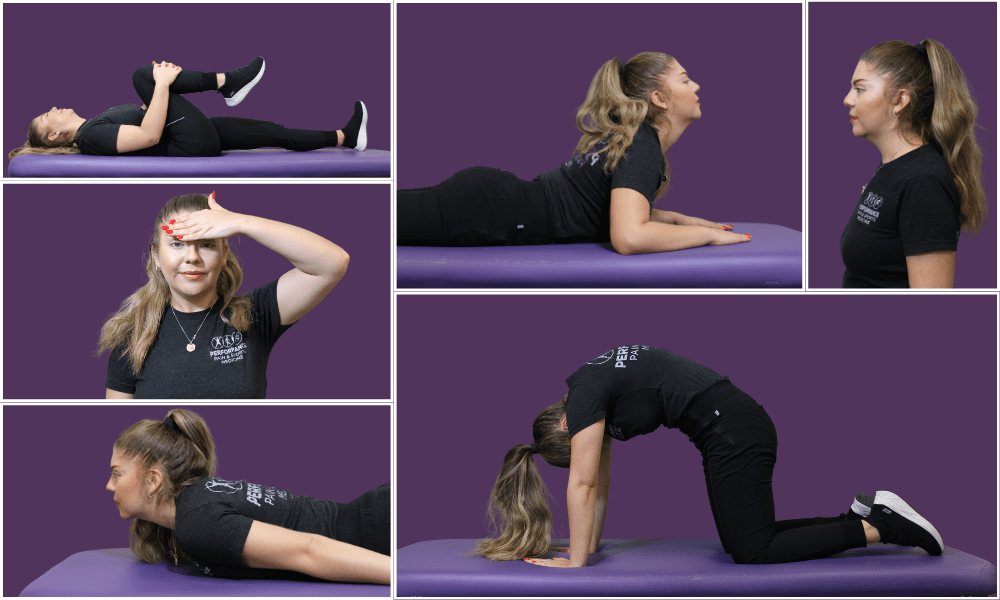
Cat-Cow Stretch
The cat-cow stretch is a gentle yoga pose that helps to improve spinal flexibility and relieve tension in the back muscles. To perform this stretch:
- Start on your hands and knees in a tabletop position.
- Inhale as you arch your back and look up towards the ceiling (cow pose).
- Exhale as you round your back and tuck your chin towards your chest (cat pose).
- Repeat this sequence for 8-10 breaths.
Child’s Pose
Child’s pose is a relaxing stretch that helps to release tension in the lower back and hips. To perform this stretch:
- Begin on your hands and knees in a tabletop position.
- Sit your hips back towards your heels, stretching your arms out in front of you.
- Relax your forehead on the mat and breathe deeply for 30 seconds to 1 minute.
Forward Fold
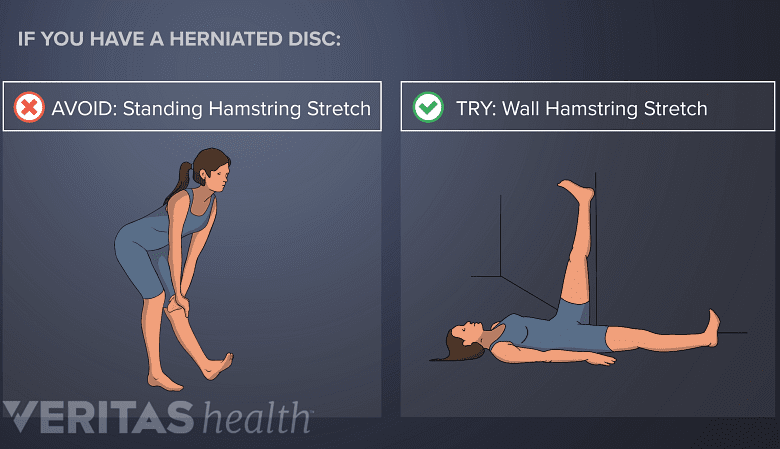
Forward fold is a standing stretch that targets the hamstrings and lower back. To perform this stretch:
- Stand with your feet hip-width apart.
- Hinge at the hips and fold forward, reaching for your toes or shins.
- Hold this stretch for 30 seconds to 1 minute, breathing deeply.

Strengthening Exercises for Disc Protrusion Prevention
In addition to stretching, strengthening your core and back muscles is essential for preventing disc protrusion and maintaining spinal stability. Strengthening exercises help to support proper alignment, reduce muscle imbalances, and improve posture. Here are some strengthening exercises to incorporate into your routine:
Plank
The plank is a foundational core exercise that targets the muscles of the abdomen, lower back, and shoulders. To perform a plank:
- Begin in a push-up position with your hands directly under your shoulders.
- Engage your core and hold your body in a straight line from head to heels.
- Hold this position for 30 seconds to 1 minute, focusing on maintaining good alignment.
Bird Dog
The bird dog exercise strengthens the muscles along the spine and improves balance and stability. To perform a bird dog:
- Start on your hands and knees in a tabletop position.
- Extend your right arm and left leg straight out, parallel to the floor.
- Hold for a few seconds, then switch to the opposite arm and leg.
- Repeat for 10-12 reps on each side.
Bridge
The bridge exercise targets the glutes, hamstrings, and lower back muscles. To perform a bridge:
- Lie on your back with your knees bent and feet hip-width apart.
- Engage your core and lift your hips towards the ceiling, creating a straight line from your shoulders to your knees.
- Hold at the top for a few seconds, then lower back down.
- Repeat for 12-15 reps.

Tips for Safe Stretching and Strengthening
When incorporating stretching and strengthening exercises into your routine, it’s important to do so safely to avoid injury and maximize the benefits for preventing disc protrusion. Here are some tips to keep in mind:
Listen to Your Body
Pay attention to how your body feels during stretching and strengthening exercises. If you experience pain or discomfort, adjust the intensity or technique of the exercise to avoid straining your muscles or joints.
Warm Up Properly
Before starting any stretching or strengthening routine, it’s essential to warm up your muscles with light aerobic activity like walking or cycling. Warming up increases blood flow to the muscles and prepares them for more intense exercise.
Focus on Proper Form
Maintaining proper form is key to getting the most out of each stretch and strengthening exercise while reducing the risk of injury. Take the time to learn the correct technique for each exercise and focus on engaging the targeted muscles.
Progress Slowly
Gradually increase the intensity, duration, and frequency of your stretching and strengthening routine to avoid overloading your muscles and causing strain. Progressing slowly allows your body to adapt and build strength over time.
Stay Consistent
Consistency is key when it comes to preventing disc protrusion through stretching and strengthening exercises. Aim to incorporate these exercises into your daily routine to see long-term benefits for your spinal health.

Conclusion
By incorporating a combination of stretching and strengthening exercises into your routine, you can prevent disc protrusion and maintain a healthy spine. Remember to listen to your body, warm up properly, focus on proper form, progress slowly, and stay consistent with your routine to maximize the benefits. With dedication and patience, you can protect your spine and reduce the risk of disc protrusion for years to come. Start incorporating these exercises into your daily routine today and take the first step towards a healthier back!