
Welcome to an informative article on the most popular home remedies for disc protrusion prevention. Disc protrusion, also known as a slipped or herniated disc, can cause pain, numbness, and tingling in different parts of your body. By incorporating these simple and effective home remedies into your daily routine, you can help prevent disc protrusion and maintain a healthy spine. From proper posture to regular exercise, you’ll learn key ways to keep your back in tip-top shape. So sit back, relax, and get ready to discover how to protect your spine with these popular home remedies. Have you ever experienced back pain that radiates down your legs? If so, you may be dealing with disc protrusion, also known as a herniated disc. This common condition can be incredibly painful and debilitating. The good news is that there are several home remedies you can try to help prevent disc protrusion and relieve your symptoms. In this article, we’ll discuss some of the most popular and effective remedies you can incorporate into your daily routine.
Understanding Disc Protrusion
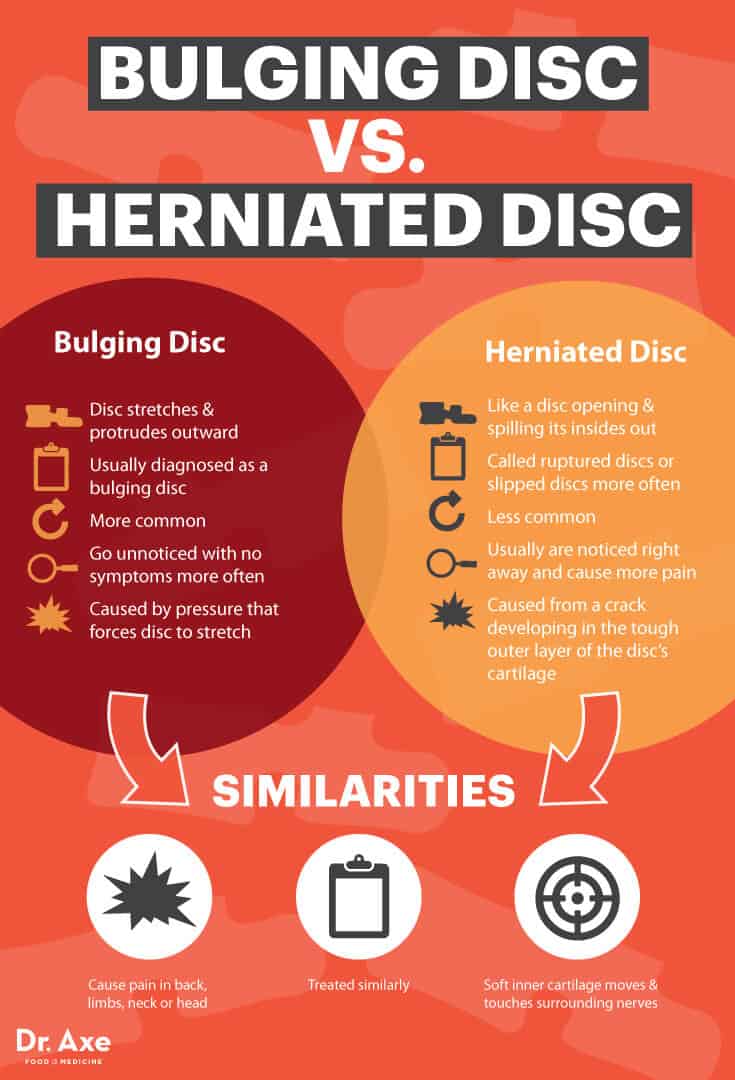
Before we dive into the home remedies, it’s essential to understand what disc protrusion is and how it can impact your daily life. A disc protrusion occurs when the soft inner core of a spinal disc pushes through the tough outer layer. This can result in pain, numbness, and weakness in the affected area, often radiating down the legs or arms.
What Causes Disc Protrusion?
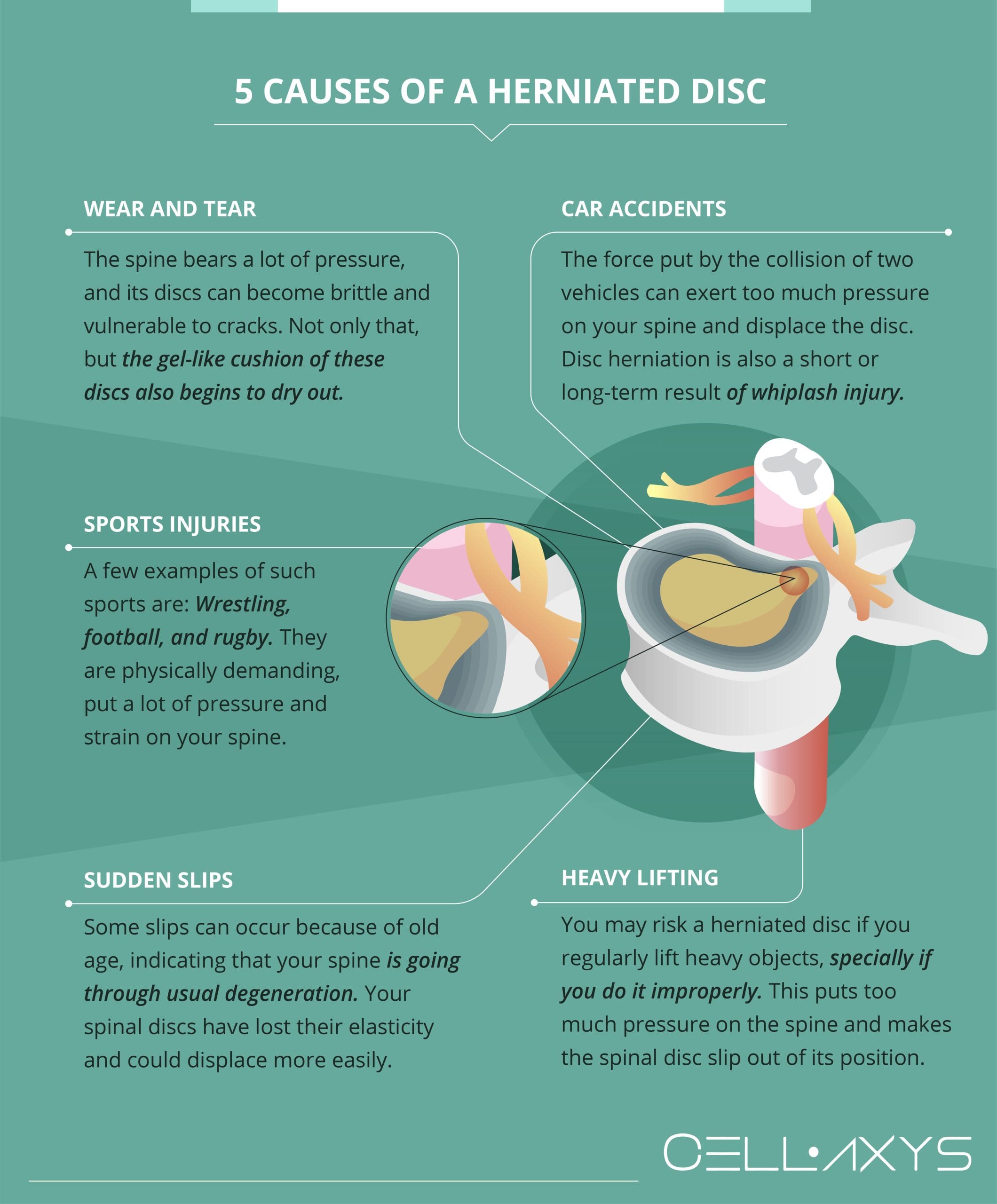
Disc protrusion can occur due to various factors, including age-related wear and tear on the spine, injury or trauma, improper lifting techniques, and obesity. When the discs in your spine become compressed or damaged, they can bulge or herniate, leading to disc protrusion.
Understanding the causes of disc protrusion can help you make lifestyle changes to reduce your risk of developing this condition. By incorporating these popular home remedies into your daily routine, you can improve your spinal health and prevent disc protrusion from occurring.
Maintain a Healthy Weight
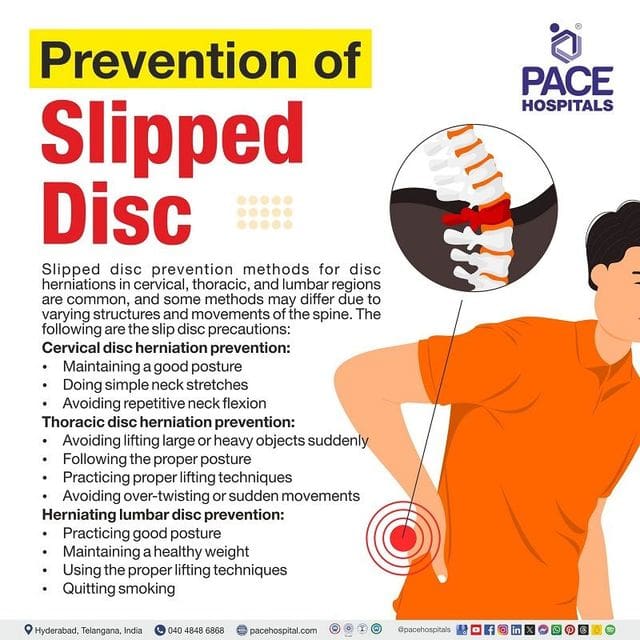
One of the most effective ways to prevent disc protrusion is by maintaining a healthy weight. Excess weight puts added stress on your spine, increasing the risk of disc damage and herniation. By maintaining a healthy weight through a balanced diet and regular exercise, you can reduce the strain on your spine and prevent disc protrusion from occurring.
Tips for Maintaining a Healthy Weight:
- Eat a balanced diet rich in fruits, vegetables, whole grains, and lean proteins.
- Avoid processed foods, sugary drinks, and excessive amounts of salt and sugar.
- Incorporate regular exercise into your routine, such as walking, swimming, or yoga.
- Monitor your portion sizes and practice mindful eating to avoid overeating.
Maintaining a healthy weight is not only beneficial for preventing disc protrusion but also for overall health and well-being. By making small changes to your diet and exercise habits, you can reduce your risk of developing spinal issues and enjoy a healthier, more active lifestyle.
Practice Good Posture
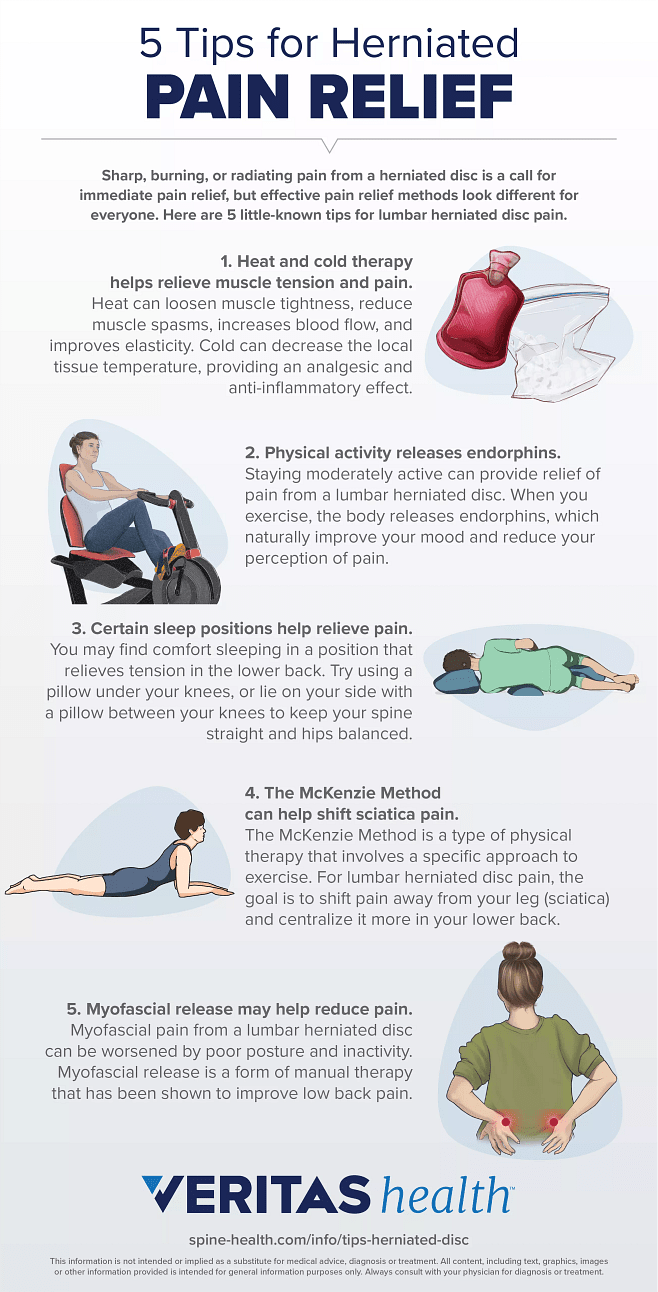
Poor posture is a common contributing factor to disc protrusion and back pain. Slouching or hunching over can put added pressure on your spinal discs, leading to wear and tear over time. By practicing good posture throughout the day, you can reduce the strain on your spine and prevent disc protrusion from occurring.
Tips for Improving Posture:
- Sit up straight with your shoulders back and your spine aligned.
- Avoid slouching or hunching over when sitting or standing.
- Use ergonomic furniture and accessories to support your spine and improve posture.
- Take frequent breaks to stretch and move around if you sit for extended periods.
Improving your posture can go a long way in preventing disc protrusion and reducing back pain. By being mindful of your posture throughout the day and making small adjustments, you can alleviate strain on your spine and protect your discs from herniation.
Stay Active and Exercise Regularly
Regular exercise is essential for maintaining spinal health and preventing disc protrusion. Physical activity helps strengthen the muscles surrounding your spine, improving stability and reducing the risk of injury. By incorporating a variety of exercises into your routine, you can keep your spine strong and healthy, reducing the likelihood of disc protrusion.
Best Exercises for Spinal Health:
- Core-strengthening exercises like planks, bridges, and bird-dogs.
- Cardiovascular exercises such as walking, cycling, or swimming.
- Flexibility exercises like yoga and Pilates to improve spinal mobility.
- Strength training exercises to build muscle and support your spine.
Staying active and exercising regularly is key to preventing disc protrusion and maintaining overall spinal health. By incorporating a mix of cardiovascular, strength, and flexibility exercises into your routine, you can keep your spine strong and resilient, reducing the risk of disc herniation.
Practice Proper Lifting Techniques
Improper lifting techniques can put significant strain on your spine, leading to disc damage and herniation. Whether you’re lifting heavy objects at work or in your daily life, it’s essential to use proper lifting techniques to protect your spine and prevent disc protrusion. By following these guidelines, you can reduce the risk of injury and maintain spinal health.
Tips for Proper Lifting:
- Bend at your knees, not your waist, when lifting heavy objects.
- Keep the object close to your body and use your legs to lift, not your back.
- Avoid twisting your spine while lifting and carrying objects.
- Ask for help or use lifting aids for heavy or awkward objects.
Practicing proper lifting techniques is crucial for preventing disc protrusion and avoiding back injuries. By being mindful of your body mechanics and using safe lifting practices, you can protect your spine from damage and maintain optimal spinal health.
Incorporate Stretching and Yoga Into Your Routine
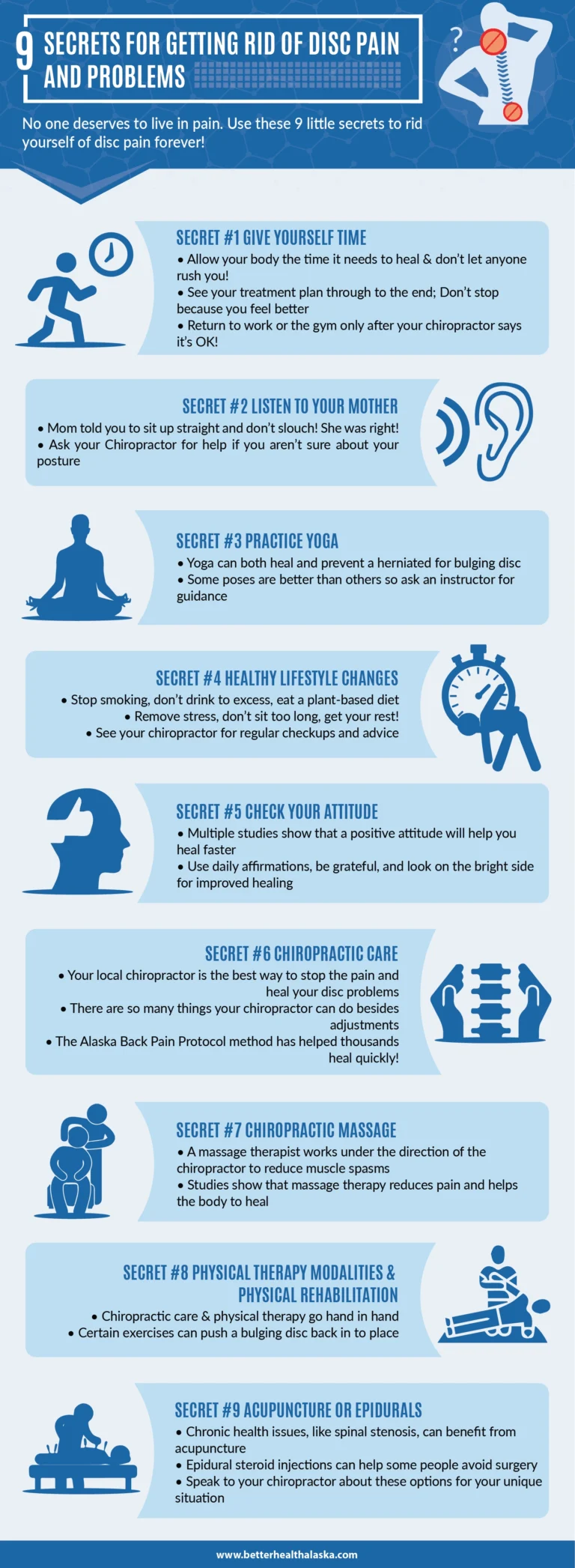
Stretching and yoga are excellent ways to improve spinal health and prevent disc protrusion. These practices help increase flexibility, reduce tightness in the muscles surrounding your spine, and improve overall posture. By incorporating stretching and yoga into your daily routine, you can alleviate back pain, reduce the risk of disc herniation, and improve spinal alignment.
Benefits of Stretching and Yoga:
- Improves flexibility and range of motion in the spine.
- Releases tension in the muscles surrounding the spine.
- Promotes relaxation and reduces stress, which can contribute to back pain.
- Improves posture and spinal alignment.
Incorporating stretching and yoga into your routine can have a significant impact on spinal health and disc protrusion prevention. By dedicating time each day to stretch and practice yoga, you can keep your spine healthy, flexible, and strong, reducing the risk of disc herniation.
Use Proper Ergonomics at Work and Home
Proper ergonomics play a crucial role in preventing disc protrusion and back pain. Whether you’re working at a desk all day or performing tasks at home, it’s essential to set up your environment in a way that supports your spine and promotes good posture. By using proper ergonomics at work and home, you can reduce strain on your spine and prevent disc herniation.
Tips for Proper Ergonomics:
- Adjust your chair and workstation to support your spine and reduce strain.
- Use a supportive chair with lumbar support to maintain proper posture.
- Position your computer monitor at eye level to reduce neck strain.
- Take frequent breaks to stretch and move around throughout the day.
Practicing proper ergonomics at work and home is essential for preventing disc protrusion and maintaining spinal health. By setting up your environment in a way that supports your spine and promotes good posture, you can reduce strain on your discs and protect against back pain.
Manage Stress and Practice Relaxation Techniques
Stress can exacerbate back pain and contribute to disc protrusion by causing muscle tension and tightness. Managing stress and practicing relaxation techniques can help alleviate back pain, reduce the risk of disc herniation, and promote overall well-being. By incorporating stress management techniques into your daily routine, you can improve spinal health and prevent the onset of disc protrusion.
Effective Stress Management Techniques:
- Deep breathing exercises to promote relaxation and reduce tension.
- Meditation and mindfulness practices to calm the mind and alleviate stress.
- Progressive muscle relaxation to release tension in the muscles surrounding the spine.
- Engaging in hobbies and activities that bring joy and relaxation.
Managing stress is essential for preventing disc protrusion and reducing back pain. By incorporating relaxation techniques into your daily routine and prioritizing stress management, you can improve spinal health, reduce muscle tension, and prevent disc herniation.
Eat a Nutritious Diet High in Calcium and Vitamin D
Nutrition plays a vital role in spinal health and disc protrusion prevention. Eating a nutritious diet rich in calcium and vitamin D can help support bone health, reduce the risk of osteoporosis, and prevent disc degeneration. By incorporating foods high in these essential nutrients into your diet, you can strengthen your bones, support spinal health, and reduce the risk of disc herniation.
Foods Rich in Calcium and Vitamin D:
- Dairy products like milk, cheese, and yogurt.
- Leafy green vegetables such as kale, broccoli, and spinach.
- Fatty fish like salmon, sardines, and mackerel.
- Fortified foods like cereals, orange juice, and tofu.
Eating a diet high in calcium and vitamin D is essential for preventing disc protrusion and maintaining spinal health. By incorporating these nutrient-rich foods into your meals and snacks, you can support bone density, reduce the risk of disc degeneration, and protect against disc herniation.
Stay Hydrated and Drink Plenty of Water
Proper hydration is essential for spinal health and disc protrusion prevention. Drinking an adequate amount of water each day helps keep your spinal discs hydrated, maintains spinal flexibility, and reduces the risk of disc herniation. By staying hydrated and drinking plenty of water, you can support spinal health, reduce back pain, and prevent disc protrusion.
Benefits of Staying Hydrated:
- Keeps spinal discs hydrated and flexible.
- Supports nutrient transport to spinal tissues.
- Improves spinal function and reduces the risk of disc degeneration.
- Helps alleviate back pain and reduce muscle tension.
Staying hydrated by drinking plenty of water throughout the day is crucial for preventing disc protrusion and maintaining spinal health. By making hydration a priority and ensuring you consume an adequate amount of water, you can support your spinal discs, reduce back pain, and prevent disc herniation.
Get Sufficient Sleep and Rest
Getting an adequate amount of sleep and rest is essential for spinal health and disc protrusion prevention. Sleep is the body’s time to repair and rejuvenate, including spinal tissues and discs. By prioritizing sleep and rest, you can support spinal health, reduce the risk of disc degeneration, and prevent the onset of disc protrusion.
Tips for Better Sleep and Rest:
- Establish a regular bedtime routine to promote restful sleep.
- Create a comfortable sleep environment with a supportive mattress and pillows.
- Limit screen time before bed to improve sleep quality.
- Practice relaxation techniques like deep breathing or meditation to promote rest.
Getting sufficient sleep and rest is essential for preventing disc protrusion and maintaining overall health and well-being. By prioritizing sleep, establishing a healthy bedtime routine, and creating a comfortable sleep environment, you can support spinal health, reduce back pain, and prevent disc herniation.
Conclusion
Incorporating these popular home remedies into your daily routine can help prevent disc protrusion and alleviate back pain. By maintaining a healthy weight, practicing good posture, staying active and exercising regularly, using proper lifting techniques, incorporating stretching and yoga, using proper ergonomics, managing stress, eating a nutritious diet, staying hydrated, getting sufficient sleep and rest, you can support spinal health, reduce the risk of disc herniation, and enjoy a healthier, more active lifestyle. Remember to consult with a healthcare professional before beginning any new exercise or treatment regimen, especially if you are experiencing severe back pain or symptoms of disc protrusion. By taking proactive steps to care for your spine and overall well-being, you can prevent disc protrusion and enjoy a life free from back pain and discomfort.