
Welcome to a guide on navigating medical equipment and assistive devices for disc protrusion. In this article, you will learn about the various tools and devices that can help alleviate the symptoms of disc protrusion, allowing you to live a more comfortable and mobile life. From back braces to lumbar supports, we will explore the options available to you and provide tips on how to choose the best equipment for your specific needs. Whether you are looking to manage pain, improve mobility, or support your spine during daily activities, we are here to help you navigate the world of medical equipment and assistive devices for disc protrusion. Have you recently been diagnosed with disc protrusion and are looking for ways to navigate the world of medical equipment and assistive devices to help manage your condition effectively? When dealing with disc protrusion, it is crucial to have the right tools and resources at your disposal to support your daily activities and overall well-being. In this article, we will guide you through the process of selecting and using various medical equipment and assistive devices that can aid in your recovery and improve your quality of life. Let’s explore the options together!
Understanding Disc Protrusion
Disc protrusion, also known as a herniated or slipped disc, occurs when the soft center of a spinal disc pushes through a crack in the tougher exterior casing. This condition can cause pain, numbness, and weakness in the affected area, often leading to difficulty in performing everyday tasks. Understanding the symptoms and impact of disc protrusion is essential in selecting the right medical equipment and assistive devices to assist in managing the condition.
Medical Equipment for Disc Protrusion
When dealing with disc protrusion, medical equipment can play a significant role in providing support, pain relief, and mobility assistance. From braces and supports to traction devices and exercise equipment, there are various options available to help alleviate symptoms and promote healing. Let’s dive into the different types of medical equipment that can be beneficial for individuals with disc protrusion.
Braces and Supports
Braces and supports are commonly used to stabilize the spine and provide additional support to the affected area in cases of disc protrusion. These devices help to reduce strain on the spine, improve posture, and alleviate pain by limiting movement and promoting proper alignment. There are different types of braces and supports available, including:
-
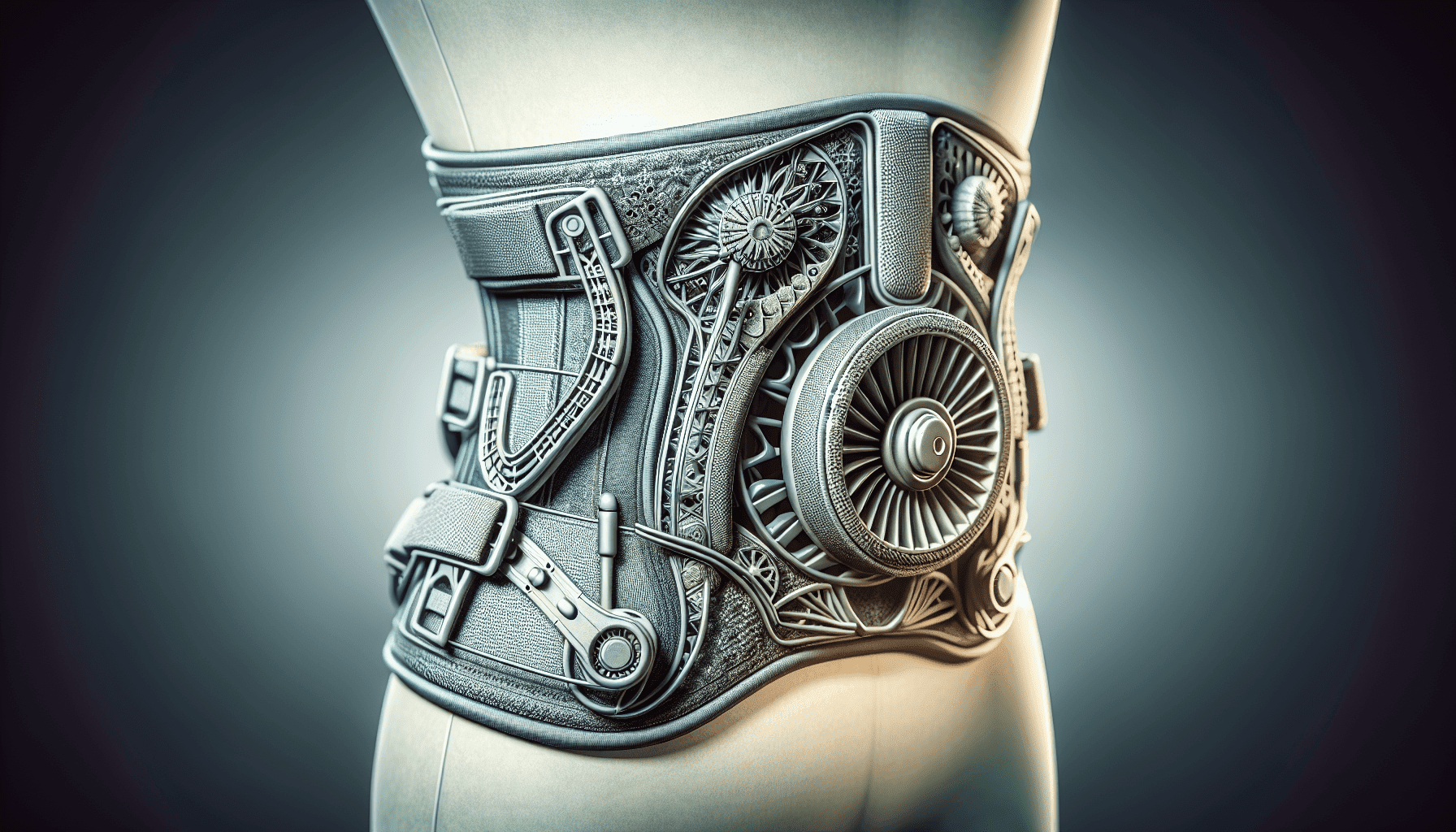
Lumbar Support Belts: These belts are designed to support the lower back and reduce pressure on the spinal discs. They can be worn during daily activities or when engaging in physical exercise to provide additional support.
-
Cervical Collars: Cervical collars are worn around the neck to help support the head and neck, promoting proper alignment and reducing strain on the cervical spine. They are especially beneficial for individuals with disc protrusion in the neck region.
-
Posture Correctors: Posture correctors are devices that help improve spinal alignment and posture by providing gentle support and reminding the wearer to maintain proper positioning throughout the day.
Traction Devices
Traction devices are commonly used to gently stretch and decompress the spine, relieving pressure on the discs and nerves. These devices help to reduce pain, improve flexibility, and promote healing in cases of disc protrusion. Traction devices can be used at home or as part of a physical therapy treatment plan, offering both short-term and long-term benefits.
Exercise Equipment
Exercise is an essential component of managing disc protrusion, as it helps strengthen the muscles surrounding the spine, improve flexibility, and promote overall spinal health. There are several types of exercise equipment that can aid in the recovery process and prevent future issues, including:
-
Exercise Balls: Exercise balls are versatile tools that can be used for core strengthening, balance training, and stretching exercises to support the spine and improve overall stability.
-
Resistance Bands: Resistance bands are excellent for targeting specific muscle groups, increasing strength, and improving flexibility without putting excessive strain on the joints or spine.
-
Foam Rollers: Foam rollers are used for self-myofascial release, helping to relieve muscle tension, improve circulation, and enhance recovery after workouts.

Assistive Devices for Disc Protrusion
In addition to medical equipment, assistive devices can also be helpful in managing disc protrusion and facilitating daily activities. These devices are designed to provide comfort, convenience, and support, making it easier for individuals with disc protrusion to perform tasks at home, work, or on the go. Let’s explore some common assistive devices that can aid in your daily routine.
Ergonomic Chairs and Cushions
Ergonomic chairs and cushions are specially designed to provide proper support and comfort for individuals with disc protrusion. These devices help promote good posture, reduce pressure on the spine, and prevent strain on the muscles, making sitting for extended periods more comfortable and less taxing on the body. When selecting an ergonomic chair or cushion, consider factors such as lumbar support, adjustable height, and cushioning to ensure optimal comfort and support.
Adaptive Tools and Utensils
Adaptive tools and utensils can make everyday tasks such as eating, dressing, and grooming more manageable for individuals with disc protrusion. These devices are designed to assist in performing specific actions while minimizing strain on the affected area. Some examples of adaptive tools and utensils include:
-
Adaptive Dressing Aids: These tools help with dressing and undressing by providing extra grip, leverage, or reach for individuals with limited mobility due to disc protrusion.
-
Eating and Drinking Aids: Adaptive utensils and cups with built-in grips or ergonomic handles can make mealtime easier and more comfortable for individuals with hand or arm weakness.
-
Bathroom Aids: Grab bars, shower chairs, and toilet seat risers are essential bathroom aids that can improve safety and accessibility for individuals with disc protrusion, reducing the risk of falls and injuries.
Mobility Aids
Mobility aids such as canes, walkers, and wheelchairs can be beneficial for individuals with severe disc protrusion or limited mobility. These devices provide stability, support, and assistance with walking or moving around, helping to reduce strain on the spine and prevent falls. When considering a mobility aid, consult with a healthcare professional to determine the most appropriate option based on your specific needs and level of mobility.
Tips for Selecting and Using Medical Equipment and Assistive Devices
When choosing medical equipment and assistive devices for disc protrusion, it is essential to consider your individual needs, lifestyle, and preferences to ensure that the tools you select are effective and comfortable to use. Here are some tips to help you navigate the process of selecting and using medical equipment and assistive devices effectively:
-
Consult with a Healthcare Professional: Before purchasing or using any medical equipment or assistive devices, consult with a healthcare professional such as a physical therapist, occupational therapist, or orthopedic specialist to receive personalized recommendations and guidance based on your specific condition and needs.
-
Test Different Options: Explore various types of medical equipment and assistive devices to find the ones that best suit your preferences and provide optimal support and comfort. Take your time to test different products, styles, and sizes to ensure a proper fit and functionality.
-
Follow Instructions Carefully: When using medical equipment and assistive devices, follow the manufacturer’s instructions and guidelines for proper usage, maintenance, and care. Improper use of these tools can lead to discomfort, injury, or reduced effectiveness in managing your condition.
-
Monitor Your Progress: Keep track of how the medical equipment and assistive devices are impacting your symptoms, mobility, and overall well-being. If you experience any discomfort, pain, or changes in your condition, consult with your healthcare provider to make necessary adjustments or modifications.
-
Stay Active and Engaged: While medical equipment and assistive devices can provide support and relief, it is essential to stay active, engage in regular exercise, and maintain a healthy lifestyle to promote healing, prevent future issues, and enhance your overall quality of life.
Final Thoughts
Navigating the world of medical equipment and assistive devices for disc protrusion can be overwhelming, but with the right information and guidance, you can find the tools that meet your needs and help you manage your condition effectively. By understanding the types of medical equipment and assistive devices available, exploring different options, and following expert recommendations, you can enhance your recovery process and improve your quality of life while dealing with disc protrusion. Remember to prioritize your comfort, safety, and well-being when selecting and using medical equipment and assistive devices, and don’t hesitate to seek professional advice and support throughout your journey to better health and mobility.