

Navigating The Emotional Challenges Of Living With Disc Protrusion
Living with disc protrusion can not only affect you physically but emotionally as well. The constant pain, limitations in movement, and uncertainty about the future can take a toll on your mental health. In this article, we will discuss the emotional challenges you may face while dealing with disc protrusion and provide practical tips on how to navigate through them.
Understanding Disc Protrusion
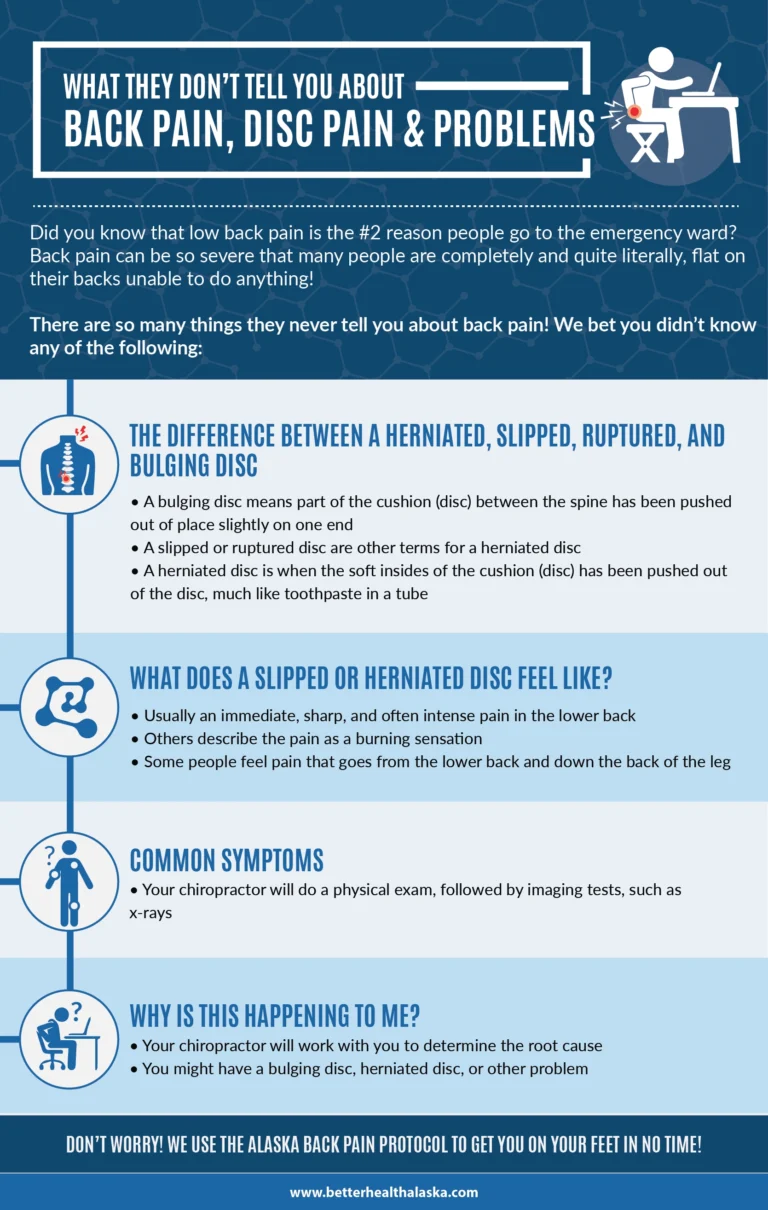
Before we delve into the emotional challenges, let’s first understand what disc protrusion is. Disc protrusion occurs when the soft inner material of a spinal disc leaks out through a tear in the tough outer layer, causing it to bulge outward. This can put pressure on nearby nerves, leading to pain, numbness, or weakness in the area affected.
Living with disc protrusion can be a daunting experience, as the pain and discomfort can be constant and debilitating. It is essential to work closely with healthcare professionals to devise a treatment plan that addresses both the physical and emotional aspects of this condition.
Feeling Isolated and Alone
One of the most common emotional challenges faced by individuals living with disc protrusion is feeling isolated and alone. Chronic pain can make it difficult to participate in social activities, leading to a sense of loneliness and disconnection from others. It is essential to remember that you are not alone in this journey and that there are people who care about you and want to support you.
Reach out to friends, family members, or support groups who can provide emotional support and understanding. Talking about your feelings and experiences with others can help alleviate feelings of isolation and strengthen your emotional resilience.
Dealing with Frustration and Anger
Living with disc protrusion can be frustrating, especially when the pain and limitations in movement interfere with your daily activities and quality of life. It is normal to feel angry and frustrated about the challenges you are facing, but it is essential to find healthy ways to cope with these emotions.
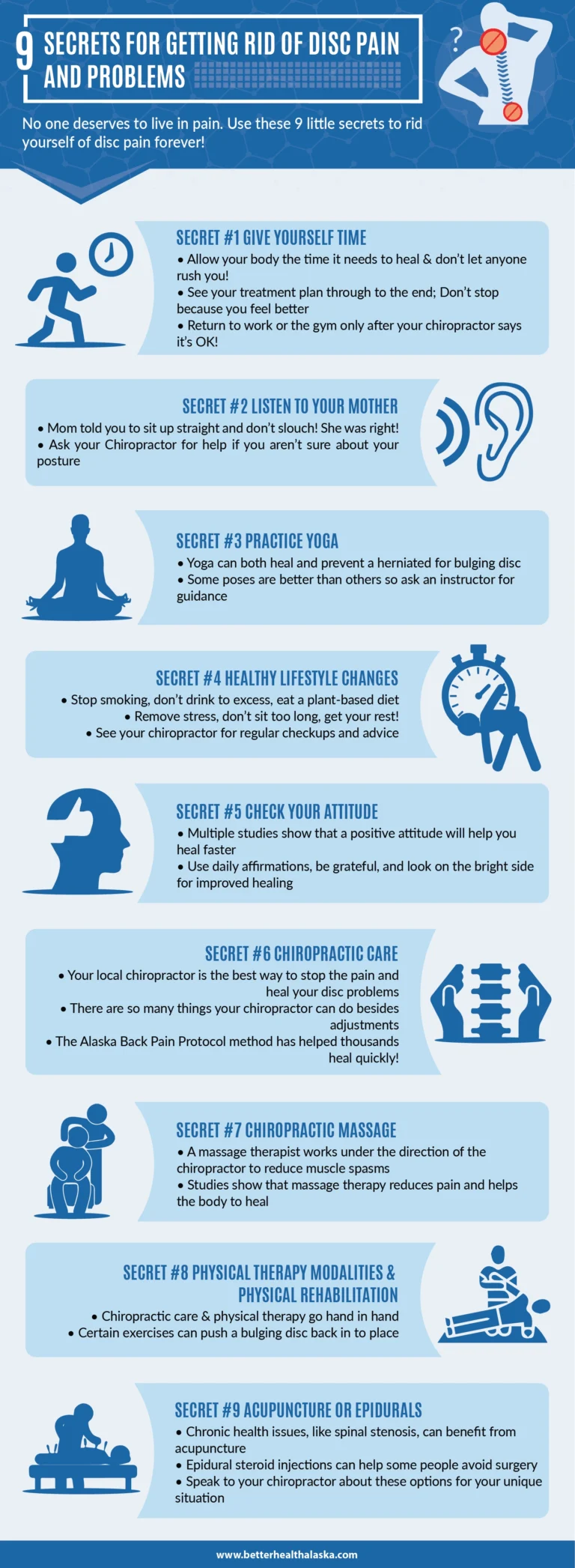
Engaging in relaxation techniques, such as deep breathing exercises or meditation, can help calm your mind and body and reduce feelings of anger and frustration. Physical therapy and gentle exercises prescribed by your healthcare provider can also help release tension and improve your mood.
Coping with Anxiety and Uncertainty
The uncertainty about the future and the potential for recurrent episodes of pain can lead to anxiety and worry. It is natural to feel anxious about the unknown and to fear the possibility of worsening symptoms. However, it is essential to focus on what you can control and take proactive steps to manage your condition.
Stay informed about your condition and treatment options by asking questions and seeking information from healthcare professionals. Develop a self-care routine that includes activities you enjoy, such as reading, listening to music, or spending time in nature, to help reduce anxiety and improve your overall well-being.
Impact on Mental Health
Living with disc protrusion can have a significant impact on your mental health, leading to feelings of depression, stress, and low self-esteem. The constant pain and limitations in movement can make it challenging to stay positive and motivated, affecting your overall mental well-being.
It is essential to prioritize your mental health and seek help if you are struggling with overwhelming emotions. Talk to a mental health professional, such as a therapist or counselor, who can provide support and guidance in managing your emotional well-being. Remember that it is okay to ask for help and that seeking treatment for mental health issues is a sign of strength, not weakness.
Building Resilience and Coping Skills
Coping with the emotional challenges of living with disc protrusion requires resilience and the development of coping skills. Resilience refers to the ability to adapt and bounce back from adversity, including physical and emotional challenges. By building resilience and coping skills, you can better navigate through the ups and downs of living with disc protrusion.
Practice self-care and focus on activities that bring you joy and fulfillment, such as spending time with loved ones, engaging in creative hobbies, or practicing gratitude. Develop a support network of friends, family members, or healthcare professionals who can provide encouragement and assistance when needed. Remember that you are stronger than you think and that you have the power to overcome the emotional challenges you may face.

Conclusion
Living with disc protrusion can be emotionally challenging, but it is essential to remember that you are not alone in this journey. By understanding the emotional challenges you may face and developing coping strategies to navigate through them, you can better manage your condition and improve your overall well-being. Remember to prioritize your mental health, seek support when needed, and focus on building resilience and coping skills to help you thrive despite the challenges you may encounter.