Have You Been Diagnosed with Disc Protrusion Symptoms?
So, you’ve been diagnosed with disc protrusion symptoms. This can be a challenging time, especially when it comes to navigating the workplace. You may be wondering how you can continue to excel in your career while managing your symptoms. In this article, we will provide you with helpful tips and strategies to help you navigate the workplace with your disc protrusion symptoms.
Understanding Disc Protrusion Symptoms
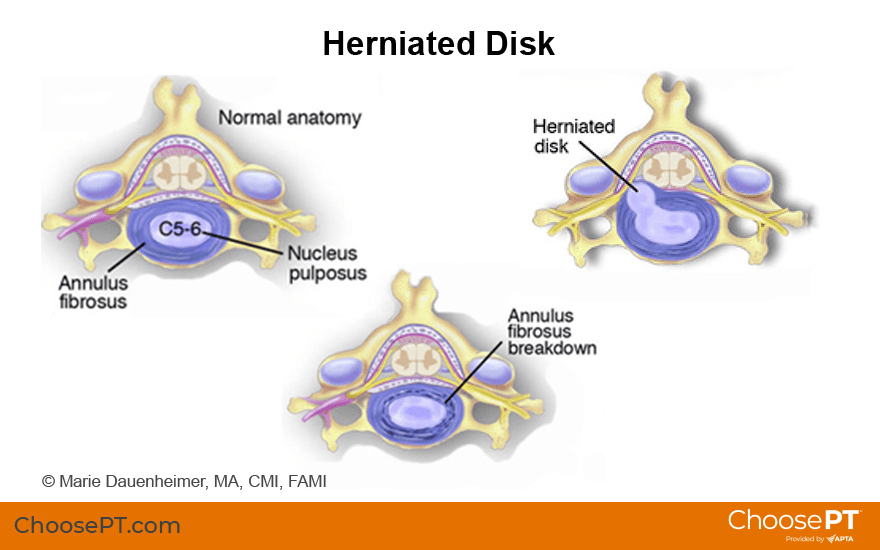
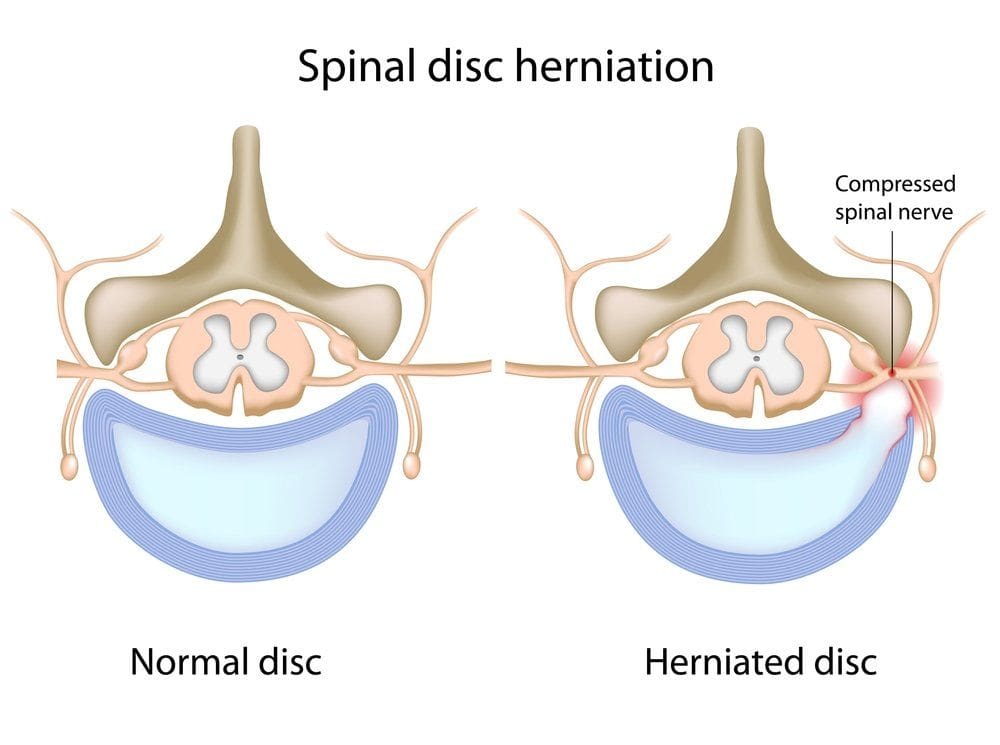
Before we dive into how to navigate the workplace with disc protrusion symptoms, let’s first understand what these symptoms are. Disc protrusion occurs when the soft jelly-like center of a spinal disc pushes out through a tear in the disc’s tough outer layer. This can lead to pain, numbness, tingling, and weakness in the affected area.
Common Symptoms
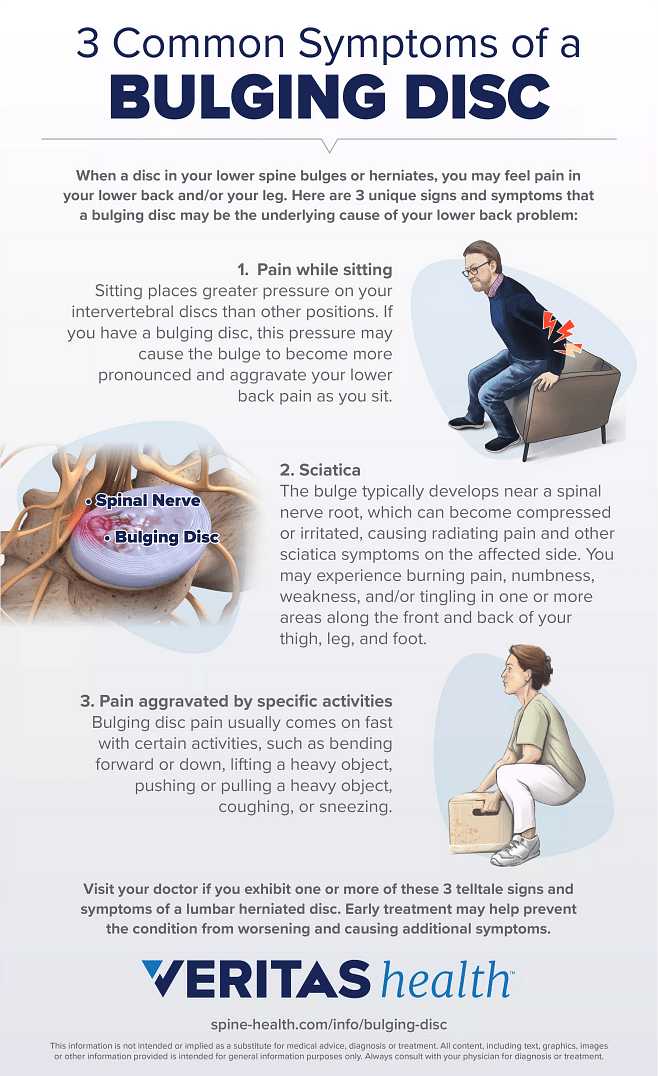
Common symptoms of disc protrusion include back pain, neck pain, sciatica, tingling or numbness in the arms or legs, weakness in the muscles, and difficulty walking or standing for long periods. These symptoms can vary in intensity and may come and go.
Diagnosis and Treatment
If you suspect you have disc protrusion symptoms, it’s important to see a healthcare professional for an accurate diagnosis. Treatment options may include physical therapy, medications, injections, and in severe cases, surgery. Your healthcare provider will work with you to develop a treatment plan that is tailored to your specific needs.
Navigating the Workplace: Tips and Strategies
Now that you have a better understanding of disc protrusion symptoms, let’s discuss some tips and strategies to help you navigate the workplace with these symptoms. Whether you work in an office setting, retail environment, or any other type of workplace, these tips can help you manage your symptoms and continue to excel in your career.
Ergonomics
Proper ergonomics is essential for preventing and managing disc protrusion symptoms in the workplace. Make sure your workstation is set up correctly to support good posture and reduce strain on your back. Use an ergonomic chair with proper lumbar support, position your computer monitor at eye level, and keep frequently used items within easy reach to avoid repetitive bending and twisting.
Take Regular Breaks
Sitting for long periods can exacerbate disc protrusion symptoms, so it’s important to take regular breaks throughout the day. Stand up, stretch, and walk around to relieve pressure on your spine and improve circulation. Set a timer or use a reminder app to prompt you to take breaks at regular intervals.
Modify Your Work Tasks
If your job requires heavy lifting, bending, or other activities that exacerbate your disc protrusion symptoms, talk to your supervisor about modifying your work tasks. You may be able to delegate the tasks that aggravate your symptoms or use assistive devices to make them easier to perform. Your employer may also be able to provide you with ergonomic tools or equipment to help you work more comfortably.
Communicate with Your Supervisor
Open communication with your supervisor is key to successfully navigating the workplace with disc protrusion symptoms. Be honest about your condition, your limitations, and the accommodations you may need to perform your job effectively. Work together to find solutions that work for both you and your employer, such as flexible scheduling, telecommuting options, or modifications to your duties.
Manage Stress
Stress can worsen symptoms of disc protrusion, so it’s important to find healthy ways to manage stress in the workplace. Practice relaxation techniques such as deep breathing, mindfulness, or meditation to reduce tension and promote overall well-being. Engage in activities outside of work that help you unwind and recharge, such as exercise, hobbies, or spending time with loved ones.
Seek Support
Navigating the workplace with disc protrusion symptoms can be challenging, but you don’t have to do it alone. Seek support from coworkers, friends, family members, or a support group for individuals with similar conditions. Talking to others who understand what you’re going through can provide valuable emotional support and practical tips for managing your symptoms in the workplace.
Resources for Employees with Disc Protrusion Symptoms
In addition to the tips and strategies outlined above, there are resources available to help employees with disc protrusion symptoms navigate the workplace more effectively. These resources can provide valuable information, support, and assistance in managing your symptoms and fulfilling your job duties.
Workplace Accommodations
Under the Americans with Disabilities Act (ADA), employers are required to provide reasonable accommodations to employees with disabilities, including those with disc protrusion symptoms. These accommodations may include flexible work schedules, modified duties, ergonomic equipment, or telecommuting options. Talk to your employer or human resources department about the accommodations available to you.
Employee Assistance Programs
Many employers offer Employee Assistance Programs (EAPs) to support employees with personal or work-related challenges, including health issues like disc protrusion symptoms. EAPs may provide confidential counseling, referrals to healthcare providers, and resources for managing stress and improving overall well-being. Take advantage of these programs to access the help you need to navigate the workplace successfully.
Disability Insurance
If your disc protrusion symptoms prevent you from working, disability insurance may provide financial support while you are unable to work. Short-term disability insurance can provide temporary benefits for a limited period of time, while long-term disability insurance may offer benefits for an extended period if your condition is expected to last more than a year. Check with your employer or insurance provider to determine if you are eligible for disability insurance benefits.

Conclusion: Navigating Your Workplace with Confidence
Navigating the workplace with disc protrusion symptoms may present challenges, but with the right strategies and resources, you can continue to excel in your career while managing your symptoms effectively. Remember to prioritize your health and well-being, communicate openly with your supervisor, and seek support from others who understand what you’re going through. By taking care of yourself and making the necessary adjustments in your work environment, you can navigate the workplace with confidence and thrive despite your disc protrusion symptoms.