
Understanding Disc Protrusion
Have you ever experienced pain or discomfort in your back that seems to radiate down your legs? You may be suffering from a disc protrusion, also known as a herniated disc. Understanding what disc protrusion is and how it can impact your daily life is the first step in managing this condition.
What is Disc Protrusion?
Disc protrusion occurs when the soft inner core of a spinal disc pushes out through the tough outer layer. This can lead to irritation of nearby nerves, causing pain, numbness, or weakness in the back, legs, or arms. It can be a result of aging, injury, or repetitive movements that put stress on the spine.
The Role of Nutrition and Diet in Disc Protrusion Management
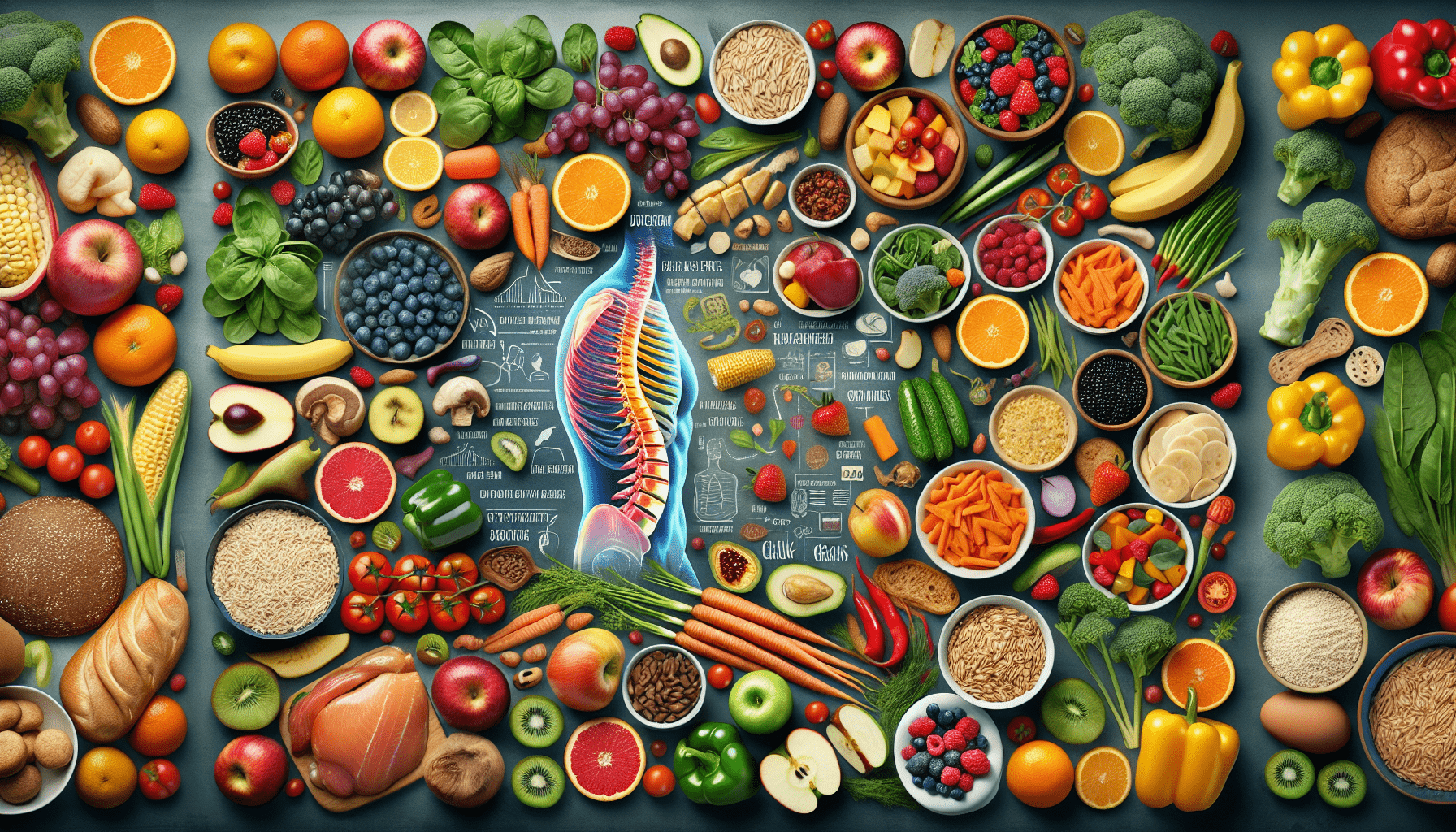
When it comes to managing disc protrusion, proper nutrition and a healthy diet can play a crucial role. Eating the right foods can help reduce inflammation, strengthen the spine, and promote overall healing. Let’s explore some nutrition and diet tips that can help you manage disc protrusion more effectively.
Anti-Inflammatory Foods
Inflammation plays a key role in the development and progression of disc protrusion. Eating foods that have anti-inflammatory properties can help reduce pain and swelling associated with this condition. Include plenty of fruits, vegetables, nuts, seeds, and fatty fish in your diet to help combat inflammation and promote healing.

Omega-3 Fatty Acids
Omega-3 fatty acids are known for their anti-inflammatory properties and can help reduce pain and inflammation associated with disc protrusion. Include sources of omega-3 fatty acids in your diet such as salmon, mackerel, walnuts, and flaxseeds to help support your body’s natural healing process.
Calcium and Vitamin D
Calcium and vitamin D are essential nutrients for maintaining strong and healthy bones. Ensuring an adequate intake of these nutrients can help prevent further damage to the spine and support the healing process. Include dairy products, leafy green vegetables, fortified foods, and supplements in your diet to meet your calcium and vitamin D needs.

Protein-Rich Foods
Protein is essential for building and repairing tissues, including those in the spine. Include lean sources of protein such as chicken, turkey, fish, tofu, and legumes in your diet to support the healing of the damaged disc and surrounding tissues.
Hydration
Staying hydrated is important for overall health and can also benefit individuals with disc protrusion. Drinking an adequate amount of water throughout the day can help maintain the hydration and elasticity of spinal discs, promoting better spinal health and reducing the risk of further injury.

Foods to Avoid
Certain foods can exacerbate inflammation and worsen symptoms of disc protrusion. Limit your intake of processed foods, sugary snacks, fried foods, and foods high in saturated fats. These foods can contribute to inflammation and hinder the healing process, making it harder to manage your symptoms effectively.
Lifestyle Modifications for Disc Protrusion Management
In addition to nutrition and diet, making certain lifestyle modifications can also help you manage disc protrusion more effectively. Adopting healthy habits and incorporating these changes into your daily routine can greatly improve your quality of life and reduce the impact of this condition on your daily activities.
Exercise
Regular exercise is an essential component of disc protrusion management. Strengthening the muscles that support the spine can help reduce pressure on the discs and improve overall spine health. Consider low-impact exercises such as yoga, swimming, walking, or Pilates to strengthen your core and improve flexibility.
Proper Posture
Maintaining good posture is crucial for individuals with disc protrusion. Poor posture can put additional stress on the spine and exacerbate symptoms. Be mindful of your posture when sitting, standing, and lifting objects to avoid further strain on the affected area.
Ergonomic Workstation
If you work at a desk job, creating an ergonomic workstation can help reduce strain on your spine and prevent worsening of disc protrusion symptoms. Adjust your chair, desk, and computer setup to promote good posture and reduce the risk of further injury.

Weight Management
Maintaining a healthy weight is important for managing disc protrusion. Excess weight can put added pressure on the spine and exacerbate symptoms. Incorporate a balanced diet and regular exercise routine to achieve and maintain a healthy weight and reduce strain on your spine.
Stress Management
Chronic stress can contribute to muscle tension and worsen symptoms of disc protrusion. Practice stress-reducing techniques such as deep breathing, meditation, yoga, or tai chi to help relax your mind and body, reduce muscle tension, and alleviate pain.
Supplement Options for Disc Protrusion Management
In some cases, incorporating supplements into your daily routine can help support the healing process and reduce symptoms associated with disc protrusion. Supplements can provide additional nutrients that may be lacking in your diet and help promote overall spine health.
Glucosamine and Chondroitin
Glucosamine and chondroitin are natural substances found in cartilage and can help support joint health and reduce pain and inflammation. Consider taking a glucosamine and chondroitin supplement to help support the health of spinal discs and reduce symptoms associated with disc protrusion.
Turmeric
Turmeric is a spice with powerful anti-inflammatory properties that can help reduce pain and swelling associated with disc protrusion. Consider adding turmeric to your meals or taking a turmeric supplement to help combat inflammation and promote healing.
Magnesium
Magnesium is an essential mineral that plays a role in muscle and nerve function. Supplementing with magnesium can help relax muscles, reduce muscle tension, and alleviate pain associated with disc protrusion. Consider taking a magnesium supplement to support overall muscle and nerve health.
Vitamin C
Vitamin C is a powerful antioxidant that can help reduce inflammation and promote tissue repair. Ensuring an adequate intake of vitamin C through diet or supplements can help support the healing process and reduce symptoms of disc protrusion.
Consultation with a Healthcare Provider
Before starting any new supplement regimen, it is important to consult with a healthcare provider or a registered dietitian. They can help assess your individual needs, recommend appropriate supplements, and ensure that they do not interact with any medications you may be taking.
Conclusion
Managing disc protrusion requires a holistic approach that includes proper nutrition, a healthy diet, lifestyle modifications, and, in some cases, supplementation. By making the necessary changes to your diet and lifestyle, you can effectively manage this condition, alleviate symptoms, and improve your overall quality of life. Remember to consult with a healthcare provider or a registered dietitian before making any significant changes to your diet or supplement routine to ensure they are safe and appropriate for your individual needs.