Imagine a life free from the debilitating pain caused by a disc protrusion. Picture yourself standing tall, moving with ease, and enjoying every moment without constant discomfort. In this article, we will explore effective ways to prevent disc protrusion, taking into account practical tips that anyone can implement into their daily routine. From simple lifestyle adjustments to targeted exercises, you will discover how to safeguard your spine and maintain a healthy, pain-free back for years to come. Let’s delve into the world of disc protrusion prevention and unlock the secrets to a happier, more vibrant life.
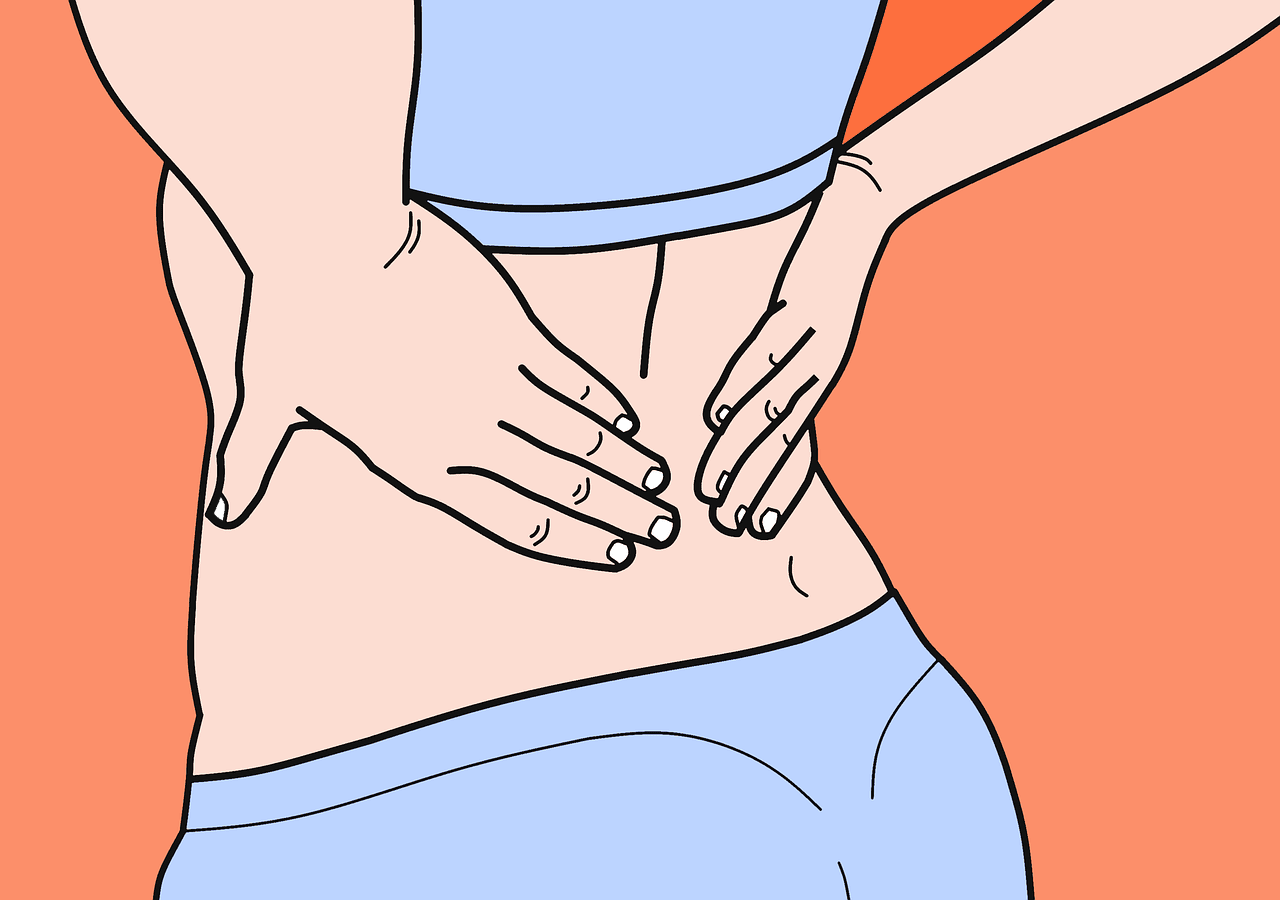
Maintaining Proper Posture
Sitting Ergonomically
When it comes to maintaining proper posture, one of the key factors is sitting ergonomically. This means positioning yourself in a way that helps support your spine and prevents strain on your muscles and discs. To achieve this, start by sitting with your feet flat on the floor, ensuring that your knees are bent at a 90-degree angle. Your buttocks should be touching the back of the chair, and your back should be straight against the chair’s backrest. Remember to avoid crossing your legs, as this can lead to imbalance and poor posture.
Using a Supportive Chair
In order to maintain proper posture, it is important to invest in a supportive chair. Look for a chair that has an adjustable backrest, allowing you to customize the angle to fit your needs. Additionally, choose a chair that provides adequate lumbar support, as this will help to maintain the natural curve of your lower back. A chair with armrests can also be beneficial, as it helps to support your upper body and reduce the strain on your neck and shoulders.
Adjusting Workspace Setup
Another important aspect of maintaining proper posture is adjusting your workspace setup. Ensure that your desk or work surface is at a height that allows your arms to rest comfortably at a 90-degree angle while typing or using the mouse. Your computer monitor should be positioned at eye level to avoid straining your neck and causing undue stress on your spine. Consider using a monitor stand or an adjustable arm to achieve the correct height. Additionally, keep frequently used items within easy reach to avoid unnecessary twisting or bending motions.
Strengthening Core Muscles
Engaging in Regular Exercise
One of the most effective ways to strengthen your core muscles is by engaging in regular exercise. Physical activities such as swimming, yoga, and Pilates are particularly beneficial for strengthening the muscles that support your spine. Incorporating exercises that target the abdominals, obliques, and lower back can help to improve posture and stability. Aim for at least 30 minutes of moderate-intensity exercise most days of the week to reap the full benefits.
Incorporating Core Workouts
In addition to regular exercise, specifically incorporating core workouts into your fitness routine can greatly contribute to maintaining strong core muscles. Exercises such as planks, bridges, and Russian twists are designed to target the muscles in your abdomen, pelvis, and lower back. These workouts not only help to improve posture but also enhance overall spine stability. Be sure to start with appropriate modifications and gradually increase the intensity and duration of your core workouts as your strength improves.
Seeking Professional Guidance
For those needing guidance in developing a core strengthening routine, seeking professional assistance is a wise choice. A physical therapist or a certified personal trainer can provide personalized exercises and techniques tailored to your specific needs and limitations. They can evaluate your posture and identify muscle imbalances or weaknesses that contribute to poor posture. With their expertise, you can create a targeted exercise program that will effectively strengthen your core muscles and improve overall posture.
Avoiding Heavy Lifting
Using Proper Lifting Techniques
When it comes to avoiding disc protrusion and other back injuries, it is crucial to use proper lifting techniques. Start by bending your knees and hips, rather than bending at the waist, when picking up an object. This helps to distribute the weight evenly and reduces the strain on your back. Keep the object close to your body and avoid twisting while lifting. Instead, use your feet to pivot and change direction. By employing correct lifting techniques, you can significantly decrease the risk of injuring your back.
Seeking Assistance with Heavy Loads
For heavier objects that may be beyond your lifting capabilities, it is imperative to seek assistance. Asking for help from a coworker, friend, or family member can prevent unnecessary strain on your back. Remember, there is no shame in reaching out for assistance when it comes to heavy lifting. When lifting as a team, ensure that everyone is aware of the proper lifting techniques and communicate effectively to avoid accidents or injuries. Working together not only lightens the load but also promotes safety and protects your back.
Using Lifting Equipment
In situations where heavy lifting is a regular occurrence, it may be beneficial to invest in lifting equipment. Tools such as dollies, carts, or hand-trucks can help distribute the weight and make the lifting process much easier on your back. When using lifting equipment, be sure to choose the appropriate tool for the job and follow the manufacturer’s instructions for safe use. Remember that avoiding unnecessary strain and protecting your back should always be a priority, and using lifting equipment can greatly assist in achieving this goal.
Practicing Safe Body Mechanics
Bending from the Knees and Hips
Practicing safe body mechanics is crucial to preventing back injuries and maintaining proper posture. One important aspect of safe body mechanics is bending from the knees and hips rather than from the waist. By bending your knees and hips, you engage the large muscles in your legs to lift or lower yourself, reducing the strain on your back. This technique is particularly important when lifting objects, sitting down, or picking something up from the floor. Remember to keep your back straight and avoid any sudden jerking or twisting motions.
Avoiding Twisting Motions
Twisting motions put excessive stress on your spine and increase the risk of injury. To maintain proper body mechanics, it is essential to avoid twisting your body, especially when carrying heavy objects. Instead, pivot your feet to change direction or shift your body weight. For example, if you need to turn to reach something, move your feet in the direction you want to face rather than twisting your torso. By avoiding twisting motions, you protect your spine and reduce the likelihood of developing disc protrusion or other back problems.
Maintaining a Neutral Spine
Maintaining a neutral spine is a fundamental principle of practicing safe body mechanics. When standing or sitting, try to align your spine in its natural curvature. Avoid arching or slouching your back, as this can contribute to poor posture and increase the risk of back pain. Instead, engage your core muscles to support your spine and maintain a neutral position. Regularly reminding yourself to check your posture and make adjustments throughout the day can help reduce tension in your back muscles and promote a healthier spine.

Managing Body Weight
Maintaining a Healthy Weight
Managing your body weight is crucial for promoting spine health and reducing the risk of disc protrusion. Excess weight places additional stress on your spine and can contribute to poor posture. By maintaining a healthy weight, you can alleviate this stress and improve your overall spinal health. Incorporate a balanced diet and regular exercise into your lifestyle to achieve and maintain a healthy weight. Remember, a healthy weight not only benefits your spine but also has positive impacts on your overall well-being.
Adopting a Balanced Diet
In addition to maintaining a healthy weight, adopting a balanced diet is essential for promoting spine health. Consuming a variety of nutrient-rich foods, such as fruits, vegetables, whole grains, lean proteins, and healthy fats, provides your body with the necessary vitamins and minerals to support bone and muscle health. In particular, foods high in calcium and vitamin D, such as dairy products, leafy greens, and fatty fish, are beneficial for maintaining strong bones and preventing the deterioration of spinal discs.
Engaging in Regular Physical Activity
Regular physical activity is not only crucial for weight management but also for promoting spine health. Engaging in activities such as walking, jogging, swimming, or cycling helps to strengthen the muscles that support your spine. It also improves flexibility and promotes good posture. Aim for at least 150 minutes of moderate-intensity aerobic activity or 75 minutes of vigorous-intensity aerobic activity per week, in addition to strength training exercises at least twice a week. By incorporating regular physical activity into your routine, you can effectively manage your body weight and improve spinal health.
Taking Regular Breaks
Avoiding Prolonged Sitting or Standing
Taking regular breaks from prolonged sitting or standing is essential for maintaining overall spine health. Both excessive sitting and standing can lead to muscle fatigue, poor circulation, and increased pressure on your spinal discs. Aim to break up long periods of sitting or standing by incorporating short movement breaks into your day. Take a few minutes every hour to stand up, stretch, or walk around. This allows your muscles to relax and your spine to readjust, reducing the risk of developing back pain or other spinal conditions.
Stretching and Moving at Regular Intervals
In addition to taking breaks from sitting or standing, it is important to incorporate stretching and movement into your regular intervals. Stretching exercises, such as neck rolls, shoulder shrugs, and hamstring stretches, can help to relieve muscle tension and improve flexibility. Taking short walks or performing gentle exercises, such as squats or lunges, can also help to stimulate blood flow and prevent muscle stiffness. By making these activities a regular part of your routine, you can promote proper posture, reduce discomfort, and enhance overall spine health.
Performing Simple Exercises
Performing simple exercises throughout the day is an effective way to strengthen your muscles, improve posture, and prevent back pain. Incorporate exercises such as back extensions, pelvic tilts, and shoulder rolls into your routine. These exercises can be done discreetly in your workplace or home environment. Remember to start with gentle movements and gradually increase the intensity and duration over time. By consistently performing these simple exercises, you can encourage spine health and reduce the risk of developing disc protrusion or other spinal conditions.
Avoiding Repetitive Movements
Varying Tasks and Positions
Avoiding repetitive movements is crucial for preventing overuse injuries and maintaining spine health. When performing repetitive tasks, it is important to vary your tasks and positions regularly. This helps to distribute the load across different muscle groups and prevents overloading specific areas of your spine. If your work primarily involves sitting or standing, try to incorporate periods of walking, stretching, or changing your posture throughout the day. By varying your tasks and positions, you reduce the strain on specific muscles and decrease the likelihood of developing repetitive strain injuries or other spinal conditions.
Using Proper Techniques to Avoid Overuse
When engaging in activities that require repetitive movements, using proper techniques can help to avoid overuse injuries. For example, when typing, maintain a relaxed grip on the keyboard and use light keystrokes to reduce the strain on your fingers, wrists, and forearms. Use ergonomic tools, such as keyboards or mice with wrist support, to minimize the strain on your hands and wrists. When performing repetitive tasks with your arms, take regular breaks to stretch and rest your muscles. By using proper techniques and taking necessary precautions, you can effectively prevent overuse injuries and protect your spine.
Taking Frequent Rest Breaks
Another important aspect of avoiding repetitive movements is taking frequent rest breaks. This allows your muscles and joints to rest and recover from the strain of repetitive activities. Be sure to set a schedule for breaks throughout your workday or daily routine, and stick to it. During these breaks, take the opportunity to stretch, move, and relax your muscles. This not only helps to prevent overuse injuries but also enhances productivity and focus when you return to your tasks. Taking frequent rest breaks is a simple yet effective way to maintain spine health and promote overall well-being.
Using Supportive Equipment
Utilizing Lumbar Support Pillows or Cushions
Using supportive equipment can go a long way in maintaining proper posture and supporting your spine. One such equipment is lumbar support pillows or cushions. These pillows or cushions are specifically designed to provide support to the natural curvature of your lower back, helping to alleviate stress and strain on the spinal discs. Whether you’re sitting at your desk, driving, or even relaxing on your couch, using a lumbar support pillow or cushion can greatly improve your seated posture and reduce the risk of developing back pain or spinal conditions.
Using Ergonomic Tools and Equipment
Ergonomic tools and equipment are designed to provide optimal support and comfort during various activities. For example, ergonomic keyboards and mice are specifically designed to reduce strain on your hands, wrists, and forearms while typing or using a computer. Similarly, ergonomic chairs with adjustable features, such as height, armrests, and backrests, can help to maintain proper posture and reduce the risk of back pain. When selecting ergonomic tools and equipment, consider your specific needs and comfort preferences. Investing in ergonomic solutions can greatly enhance your posture and overall spine health.
Investing in Supportive Mattresses or Pillows
Another aspect of using supportive equipment is investing in supportive mattresses or pillows. Your sleep posture plays a significant role in maintaining the health of your spine. By using a supportive mattress that aligns your spine correctly, you can minimize the risk of developing back pain or other spinal conditions. Similarly, using a supportive pillow that keeps your neck and head in a neutral position can prevent strain on your neck and upper back. Take the time to research and find products that provide the necessary support and comfort for your individual needs. Investing in supportive mattresses or pillows can significantly improve your sleep quality and spinal health.
Maintaining Proper Nutrition
Consume Foods High in Calcium and Vitamin D
Maintaining proper nutrition is essential for promoting spine health and preventing the deterioration of spinal discs. Consuming foods rich in calcium and vitamin D is particularly important, as these nutrients play a key role in maintaining strong bones and supporting overall spine health. Include dairy products, leafy greens, soy products, and fortified cereals in your diet to ensure an adequate intake of calcium. To boost your vitamin D levels, incorporate fatty fish, egg yolks, fortified dairy products, and sunlight exposure into your routine. Proper nutrition is a foundational pillar of spine health that should not be overlooked.
Consider Nutritional Supplements
In addition to a balanced diet, considering nutritional supplements can be beneficial for maintaining proper nutrition and supporting spine health. Calcium and vitamin D supplements can be particularly useful, especially for individuals who may have difficulty meeting their nutritional requirements through diet alone. Consult with your healthcare provider to determine the appropriate dosage and form of supplements based on your specific needs. Remember, supplements should complement a healthy diet and lifestyle, not replace it. When used correctly, nutritional supplements can provide essential nutrients and contribute to overall spine health.
Stay Hydrated
Staying hydrated is a simple yet crucial component of maintaining proper nutrition and promoting spine health. Water is essential for proper hydration and the optimal functioning of your body, including your spinal discs. Dehydration can lead to reduced disc height and flexibility, making them more susceptible to injuries and degeneration. Aim to drink an adequate amount of water throughout the day, approximately eight 8-ounce glasses or about 2 liters, to ensure proper hydration. By staying hydrated, you support the health and resilience of your spinal discs.
Seeking Regular Medical Check-ups
Consulting with a Healthcare Provider
Regular medical check-ups are an important aspect of maintaining spine health and overall well-being. Consulting with a healthcare provider, such as a primary care physician or a spine specialist, can help identify any potential issues or concerns early on. They can conduct a thorough examination, evaluate your posture, and assess your spinal health. Regular check-ups also allow for proactive discussion about preventive measures and lifestyle modifications that can promote spine health. By establishing a strong partnership with a healthcare provider, you can ensure the ongoing care and maintenance of your spine.
Monitoring Overall Spine Health
Monitoring your overall spine health is crucial to prevent and address any potential issues promptly. Stay vigilant for signs and symptoms of back pain, stiffness, or discomfort. If you notice any changes in your posture, range of motion, or overall mobility, it is important to consult with a healthcare provider. They can recommend appropriate diagnostic tests, such as X-rays or MRI scans, to assess the condition of your spine. Regular spine health monitoring enables the early detection and intervention of any abnormalities, improving the chances of successful treatment and maintaining optimal spine function.
Addressing any Concerns Promptly
Addressing any concerns promptly is key to preventing or managing spine-related problems effectively. If you experience persistent or worsening back pain, seek medical attention without delay. Professional evaluation can help identify the underlying cause of your pain and establish an appropriate treatment plan. Delaying medical intervention may lead to further complications or potential damage to your spine. Remember, your health and well-being are a priority, and addressing any concerns promptly is essential in maintaining a healthy spine.
In conclusion, maintaining proper posture, strengthening core muscles, avoiding heavy lifting, practicing safe body mechanics, managing body weight, taking regular breaks, avoiding repetitive movements, using supportive equipment, maintaining proper nutrition, and seeking regular medical check-ups are all essential for preventing disc protrusion and maintaining spinal health. By implementing these practices into your daily routine, you can protect your spine, reduce the risk of back pain, and promote a healthier and more comfortable life. Remember, the choices you make today can have a profound impact on your spine health tomorrow and beyond. So start making these simple yet effective changes today and enjoy the benefits of a healthy spine for years to come.