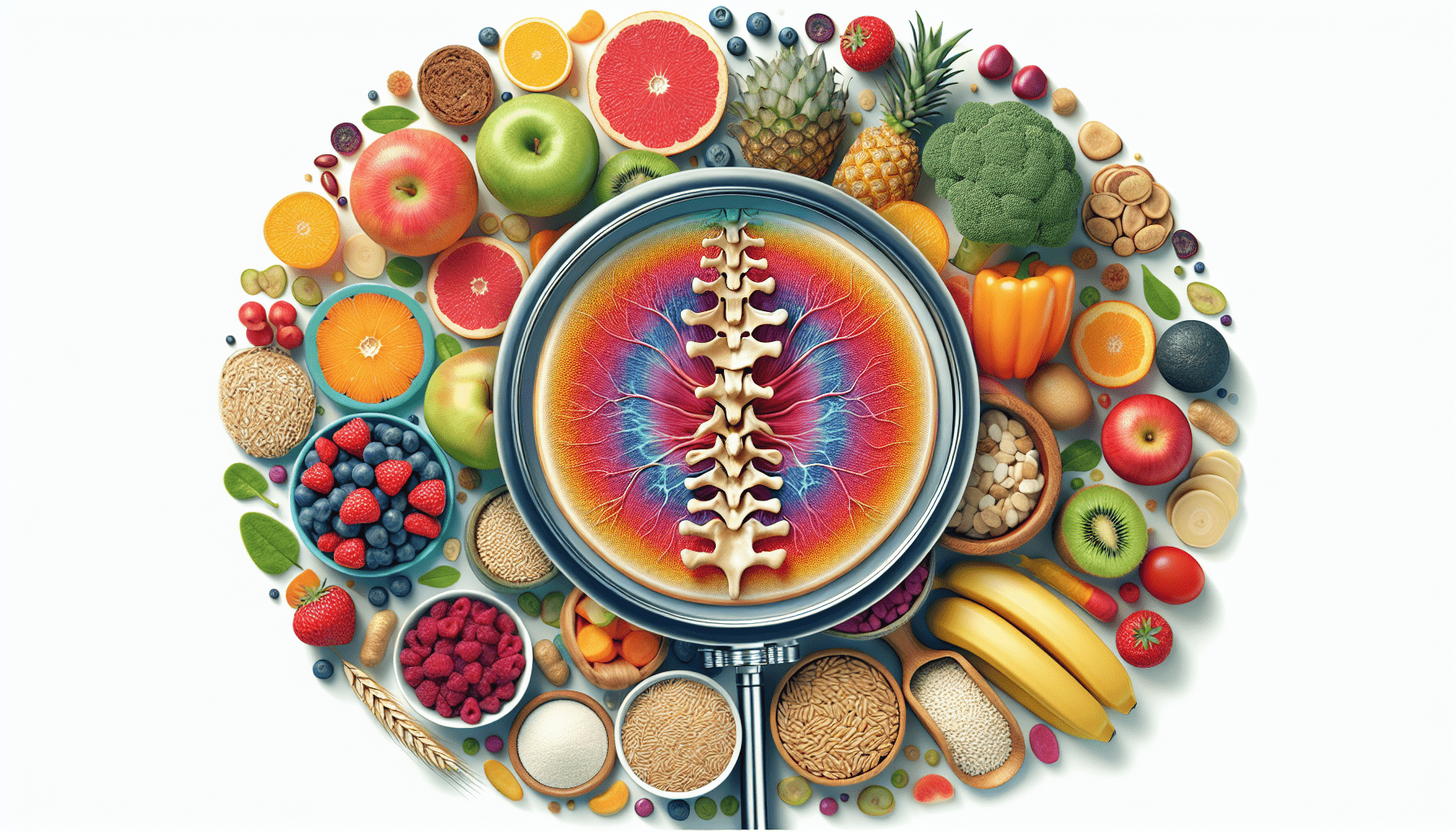
Have you ever experienced that excruciating back pain caused by a disc protrusion? If so, you know just how debilitating it can be. But fear not, because in this article, you will find invaluable advice on how to prevent disc protrusion through proper nutrition and lifestyle choices. Discover the dietary dos and don’ts that can make a world of difference in the health of your spinal discs. Get ready to embark on a journey towards a pain-free life!

Understanding Disc Protrusion
What is disc protrusion?
Disc protrusion, also known as a bulging disc, occurs when the soft tissue discs between the vertebrae in your spine become damaged or weakened. This condition can cause the disc to bulge or protrude, putting pressure on nearby nerves and causing pain or discomfort. Disc protrusion most commonly occurs in the lower back or neck region, but it can also affect other areas of the spine.
Causes and risk factors of disc protrusion
There are several factors that can contribute to the development of disc protrusion. One common cause is age-related wear and tear on the spine. As we get older, the discs in our spine naturally lose some of their hydration and flexibility, making them more prone to damage. Other risk factors include obesity, sedentary lifestyle, improper lifting techniques, and repetitive activities that strain the spine.
Symptoms of disc protrusion
The symptoms of disc protrusion can vary depending on the location and severity of the condition. Common symptoms include localized pain in the affected area, numbness or tingling in the arms or legs, muscle weakness, and limited range of motion. In some cases, disc protrusion can also cause radiating pain that travels along the affected nerve pathway, leading to pain and discomfort in other parts of the body.
The Role of Nutrition in Disc Protrusion Prevention
Maintaining a healthy weight
Maintaining a healthy weight is crucial for preventing disc protrusion. Excess weight puts additional stress and strain on the spine, increasing the risk of disc damage. To achieve and maintain a healthy weight, focus on consuming a balanced diet rich in fruits, vegetables, lean proteins, and whole grains. Limiting the intake of processed foods, sugary snacks, and beverages can also help promote weight management.
Anti-inflammatory diet
Incorporating anti-inflammatory foods into your diet can help reduce inflammation in the body, including in the discs of the spine. Foods such as fatty fish (like salmon and sardines), berries, leafy green vegetables, and nuts are known for their anti-inflammatory properties. Avoiding foods high in trans fats, refined sugars, and processed meats can also help minimize inflammation and support disc health.
Adequate hydration
Proper hydration is essential for maintaining the health and hydration of the spinal discs. Drinking an adequate amount of water throughout the day helps keep the discs hydrated, allowing them to absorb shock and support proper spinal alignment. Aim to drink at least eight glasses of water per day, and consider incorporating hydrating foods, such as watermelon, cucumbers, and citrus fruits, into your diet.
Key Nutrients for Disc Health
Omega-3 fatty acids
Omega-3 fatty acids are essential for promoting disc health due to their anti-inflammatory properties and role in maintaining the integrity of cell membranes. Foods rich in omega-3 fatty acids include fatty fish (like salmon, mackerel, and trout), flaxseeds, chia seeds, and walnuts. If you find it challenging to consume enough omega-3s through your diet, consider taking a high-quality fish oil supplement after consulting with your healthcare provider.
Vitamin D
Vitamin D plays a crucial role in bone health and can contribute to disc health as well. Sunlight exposure is the primary source of vitamin D, but it can also be found in certain foods such as fatty fish, fortified dairy products, and egg yolks. If you have limited sun exposure or are unable to meet your vitamin D needs through diet alone, a vitamin D supplement may be recommended.
Calcium
Calcium is essential for maintaining strong and healthy bones, including the vertebrae that protect the spinal discs. Good dietary sources of calcium include dairy products like milk, cheese, and yogurt, as well as leafy green vegetables, almonds, and tofu. It is important to note that vitamin D is necessary for calcium absorption, so ensuring an adequate intake of both nutrients is beneficial for disc health.
Magnesium
Magnesium is another vital nutrient for disc health as it plays a role in maintaining proper muscle and nerve function. It can also help with relaxation and reducing muscle tension, which is beneficial for relieving any discomfort associated with disc protrusion. Good dietary sources of magnesium include leafy green vegetables, nuts, seeds, whole grains, and legumes.
Foods for Promoting Disc Health
Fatty fish
Fatty fish, such as salmon, mackerel, and trout, are rich in omega-3 fatty acids and provide essential nutrients for disc health. These healthy fats help reduce inflammation in the body, including within the spinal discs, promoting their overall health and function. Aim to incorporate fatty fish into your diet at least two to three times per week to reap the benefits for your discs.
Leafy green vegetables
Leafy green vegetables like spinach, kale, and Swiss chard are packed with essential nutrients, including calcium, magnesium, and vitamin D. These nutrients support the health of the bones and discs in the spine. Whether enjoyed in salads, smoothies, or cooked dishes, incorporating leafy greens into your meals is a fantastic way to nourish your discs.
Dairy products
Dairy products like milk, cheese, and yogurt are excellent sources of calcium and vitamin D, both of which are essential for disc health. Calcium strengthens the bones, while vitamin D aids in the absorption of calcium. Including dairy products as part of a balanced diet can help ensure adequate intake of these nutrients and promote the health of your spinal discs.
Nuts and seeds
Nuts and seeds, such as almonds, walnuts, flaxseeds, and chia seeds, are rich in omega-3 fatty acids, magnesium, and other beneficial nutrients. These nutrients contribute to the overall health of your discs and help reduce inflammation. Snacking on nuts and seeds or adding them to meals and snacks can be an easy and delicious way to support your disc health.

Exercise and Stretching for Disc Protrusion Prevention
Importance of regular exercise
Regular exercise is crucial for disc protrusion prevention as it helps strengthen the muscles that support the spine, improves flexibility, and promotes overall spinal health. Engaging in activities such as walking, swimming, yoga, and low-impact aerobics can help maintain a healthy weight, reduce pressure on the discs, and enhance the flow of nutrients to the spinal area.
Specific exercises for disc health
Certain exercises specifically target the muscles and structures around the spine, promoting disc health and preventing protrusion. Examples of such exercises include pelvic tilts, bird dogs, bridges, and planks. These exercises help improve core strength, stabilize the spine, and reduce strain on the discs. It is essential to consult with a healthcare professional or a certified trainer before starting any exercise program, especially if you have a history of disc protrusion.
Stretching for flexibility and relief
In addition to regular exercise, incorporating stretching into your daily routine can help improve flexibility and relieve tension in the muscles surrounding the spine. Gentle stretches targeting the hamstrings, hips, chest, and back can alleviate muscle tightness and promote proper spinal alignment. Stretching exercises like the cat-camel stretch, forward fold, and child’s pose can offer relief and support disc health.
Maintaining Proper Posture and Ergonomics
Importance of good posture
Maintaining good posture is essential for preventing disc protrusion and minimizing strain on the spine. Poor posture, such as slouching or hunching, can place unnecessary pressure on the discs and increase the risk of injury. By adopting proper posture, you can help distribute the weight load evenly throughout the spine and reduce the risk of disc damage.
Tips for maintaining proper posture
To maintain proper posture, focus on the following tips:
- Sit upright with your back against the chair and feet on the floor.
- Keep your shoulders relaxed and avoid slouching or leaning forward.
- When standing, distribute your weight evenly on both feet and engage your core muscles.
- Avoid crossing your legs for extended periods, as this can affect spinal alignment.
- Use supportive chairs and ergonomic equipment that promote good posture.
Ergonomic considerations for work and home
Ergonomics plays a crucial role in preventing disc protrusion, especially for those who spend long hours working at a desk. Ensure your workspace is set up ergonomically, with an adjustable chair, proper desk height, and a supportive keyboard and mouse. Additionally, consider using lumbar support pillows or a standing desk to maintain good posture throughout the day. At home, use supportive furniture, pillows, and mattresses that promote proper spinal alignment and cushioning.

Avoiding Sedentary Lifestyle
Dangers of prolonged sitting
Leading a sedentary lifestyle, such as sitting for extended periods, can significantly impact the health of your spinal discs. Prolonged sitting places excessive pressure on the discs, leading to increased risk of disc protrusion and other spine-related issues. Additionally, sitting for long periods can weaken core muscles, compromising the stability of the spine.
Tips for reducing sedentary behavior
To reduce sedentary behavior and minimize the negative effects on your spine, try the following:
- Take regular breaks from sitting every 30 minutes to stretch and move around.
- Set reminders or use activity trackers to encourage movement throughout the day.
- Consider using a standing desk or a stability ball chair to engage your muscles.
- Incorporate physical activity into your daily routine, such as walking or cycling.
- Choose stairs over elevators and parking spots farther from your destination to increase daily activity levels.
Incorporating movement into daily routine
Incorporating movement into your daily routine is essential for preventing disc protrusion. Simple lifestyle changes, such as taking the stairs instead of the elevator, walking or cycling to run errands, and engaging in physical activities that you enjoy, can make a significant difference in maintaining a healthy spine. Aim for at least 30 minutes of moderate-intensity aerobic activity most days of the week to keep your spine and discs healthy.
Lifting and Movement Techniques to Protect the Spine
Proper lifting techniques
Proper lifting techniques can help protect your spine and prevent disc protrusion. When lifting heavy objects, follow these guidelines:
- Bend your knees and squat down, using your leg muscles instead of your back.
- Keep the object close to your body as you lift, avoiding twisting or jerking motions.
- Lift with your legs, not your back, and avoid putting unnecessary strain on your spine.
Avoiding heavy lifting
Avoiding heavy lifting whenever possible is crucial for protecting your spine from injury. If you must lift heavy objects, consider using assistive devices or asking for help to distribute the weight load. Remember to prioritize your safety over convenience and be mindful of the impact heavy lifting can have on your spinal health.
Body mechanics for protecting the spine
Practicing proper body mechanics throughout the day can help protect your spine and minimize the risk of disc protrusion. Maintain a neutral spine position by engaging your core muscles, avoiding excessive forward or backward bending, and evenly distributing weight across your feet. Be mindful of your posture during activities like bending, squatting, and reaching to prevent unnecessary strain on your spine.
Stress Management for Disc Protrusion Prevention
Effects of stress on the body
Stress can have a significant impact on both your physical and mental well-being, including the health of your spinal discs. Chronic stress can contribute to muscle tension, poor posture, and increased inflammation in the body, all of which can exacerbate the risk of disc protrusion. Finding healthy ways to manage stress is crucial for maintaining a healthy spine.
Stress reduction techniques
Incorporating stress reduction techniques into your daily routine can significantly benefit your spine health. Consider the following techniques:
- Practice mindfulness meditation or deep breathing exercises to promote relaxation.
- Engage in regular physical activity, as exercise is a natural stress reliever.
- Prioritize self-care activities that bring you joy and help you relax, such as reading, listening to music, or taking a warm bath.
- Connect with supportive friends or family members and seek professional help if needed.
Mental health support
Seeking mental health support, such as counseling or therapy, can provide valuable tools for managing stress and promoting overall well-being. A mental health professional can help you develop coping strategies, address underlying issues contributing to stress, and provide support in navigating the challenges associated with disc protrusion or other health conditions.
Maintaining a Healthy Sleep Routine
Importance of quality sleep
Quality sleep is essential for the overall health and recovery of the body, including the health of your spinal discs. During sleep, the body repairs and rejuvenates itself, promoting healing and reducing inflammation. Aim for 7-9 hours of uninterrupted sleep per night to support your disc health and overall well-being.
Sleep positions for spine health
Choosing the right sleep position can make a significant difference in supporting your spine health. Sleeping on your back with a supportive pillow can help maintain the natural alignment of your spine. If you prefer sleeping on your side, place a pillow between your knees to keep your spine properly aligned. Avoid sleeping on your stomach, as it can strain the neck and spine.
Tips for improving sleep quality
To improve sleep quality and support your disc health, consider the following tips:
- Create a comfortable sleep environment with a supportive mattress and pillows.
- Establish a consistent sleep schedule, going to bed and waking up at the same time each day.
- Avoid stimulating activities before bed, such as screens or intense exercise.
- Practice relaxation techniques, such as a warm bath or gentle stretching, before bedtime.
- Limit caffeine and alcohol intake, especially close to bedtime.
By incorporating these lifestyle changes, such as maintaining a healthy weight, adopting an anti-inflammatory diet, practicing regular exercise and stretching, maintaining proper posture and ergonomics, avoiding sedentary behavior, using proper lifting techniques, managing stress, and prioritizing healthy sleep, you can take proactive steps to prevent disc protrusion and support the long-term health of your spine. Remember to consult with your healthcare provider or a qualified professional for personalized advice and guidance on optimizing your spinal health.