

Welcome to a guide on how to make lifestyle changes to successfully manage disc protrusion. By incorporating these recovery lifestyle changes into your daily routine, you can alleviate pain, strengthen your back, and prevent further complications. From adopting proper posture to engaging in regular exercise, these simple adjustments can greatly improve your quality of life and help you on the path to recovery. So let’s dive in and learn how to take control of your disc protrusion with these lifestyle changes. Have you been diagnosed with a disc protrusion and wondering how to manage it effectively? Making lifestyle changes can play a significant role in your recovery and overall well-being. In this article, we will explore various lifestyle modifications that can help you manage disc protrusion and lead a healthier life.
Understanding Disc Protrusion
So, you’ve been diagnosed with a disc protrusion. Don’t worry; many people deal with this condition, and you’re not alone. A disc protrusion, also known as a herniated disc, occurs when the soft inner core of the spinal disc bulges out through the disc’s outer layer. This bulging disc can put pressure on the surrounding nerves, leading to pain, numbness, and weakness in the affected area. Understanding the basics of disc protrusion is essential in managing the condition effectively.
Symptoms of Disc Protrusion
If you’re experiencing back pain, leg pain, numbness, or tingling sensations – you may be dealing with disc protrusion. These symptoms can vary depending on the location of the herniated disc and the nerves affected. It’s crucial to recognize these symptoms early on to seek appropriate medical attention and start managing your disc protrusion effectively.
Lifestyle Changes for Managing Disc Protrusion
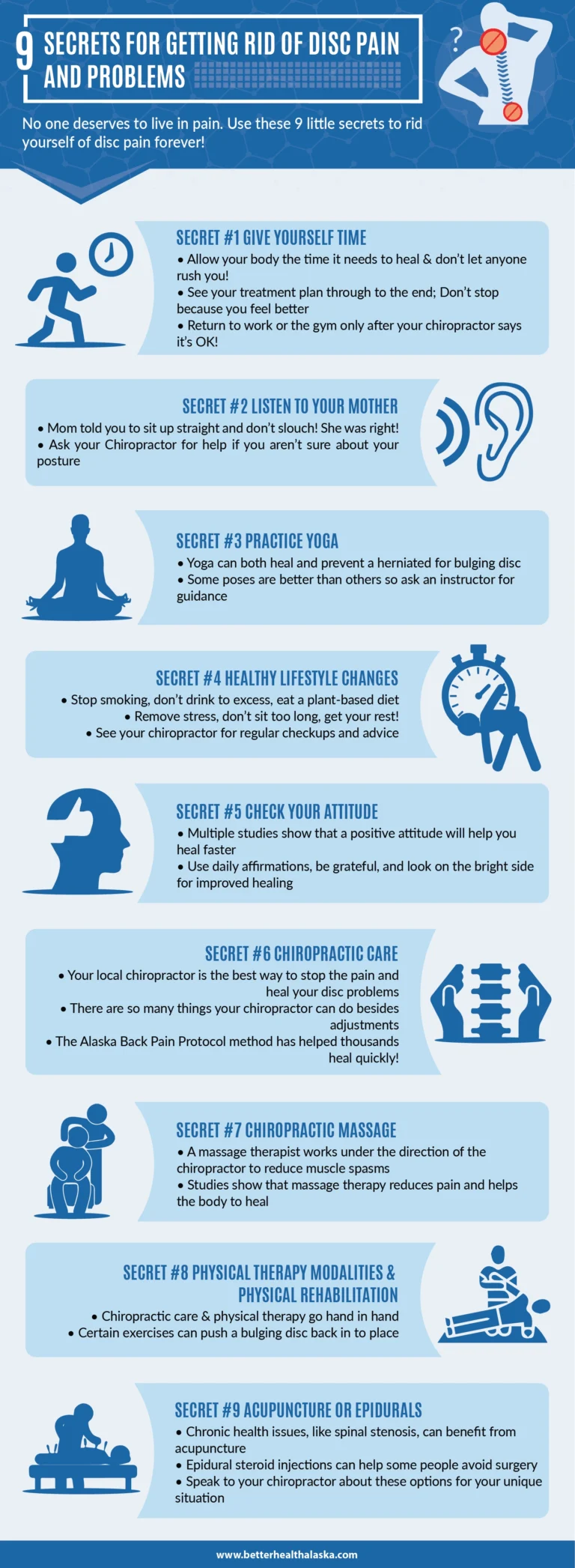
Making lifestyle changes is a crucial component of managing disc protrusion. By incorporating healthy habits into your daily routine, you can alleviate symptoms, prevent further complications, and promote healing. Let’s dive into some key lifestyle modifications that can help you on your road to recovery.
Proper Posture
Maintaining good posture is essential for reducing the stress on your spine and promoting spinal alignment. Whether you’re sitting, standing, or lifting objects, make a conscious effort to keep your spine in a neutral position. Avoid slouching or hunching over, as this can exacerbate disc protrusion symptoms. Remember to engage your core muscles to support your spine and practice proper ergonomics in your daily activities.
Regular Exercise
Physical activity is vital for managing disc protrusion and improving overall spine health. Low-impact exercises like swimming, walking, or yoga can help strengthen the muscles that support your spine, increase flexibility, and reduce pain. Focus on exercises that target the core, back, and leg muscles to provide stability and support to your spine. Consult with a physical therapist or fitness professional to develop a personalized exercise plan that suits your needs and abilities.
Healthy Diet
Maintaining a healthy diet can play a significant role in managing disc protrusion and promoting recovery. A well-balanced diet rich in fruits, vegetables, lean proteins, and whole grains can help reduce inflammation, support tissue repair, and enhance overall health. Avoid processed foods, sugary snacks, and excessive caffeine, as these can contribute to inflammation and worsen disc protrusion symptoms. Stay hydrated by drinking plenty of water throughout the day to keep your body functioning optimally.
Adequate Sleep
Getting an adequate amount of sleep is crucial for tissue repair, pain management, and overall well-being. Aim for 7-9 hours of quality sleep each night to allow your body to heal and rejuvenate. Invest in a comfortable mattress and pillows that support your spine and promote proper spinal alignment. If you’re experiencing sleep disturbances due to disc protrusion symptoms, talk to your healthcare provider about potential solutions or modifications to improve your sleep quality.
Stress Management
Chronic stress can exacerbate disc protrusion symptoms by increasing muscle tension, pain sensitivity, and inflammation. Implement stress-reducing techniques such as deep breathing, meditation, mindfulness, or yoga to promote relaxation and mental well-being. Prioritize self-care activities that bring you joy and help you unwind, such as listening to music, spending time in nature, or engaging in hobbies. Seeking support from a therapist or counselor can also be beneficial in managing stress and improving your overall quality of life.

Ergonomics and Body Mechanics
Proper ergonomics and body mechanics are essential for preventing exacerbation of disc protrusion symptoms and promoting spinal health. Whether you’re at work, at home, or engaging in everyday activities, following ergonomic principles can reduce strain on your spine and muscles. Consider the following tips for maintaining good ergonomics:
Sitting Ergonomics
- Use an ergonomic chair with proper lumbar support to maintain the natural curve of your spine.
- Keep your feet flat on the floor and avoid crossing your legs to promote circulation.
- Position your computer monitor at eye level to minimize neck strain.
- Take frequent breaks to stand, stretch, and change positions throughout the day.
Standing Ergonomics
- Stand with your weight evenly distributed on both feet to reduce pressure on your spine.
- Wear supportive footwear with cushioning and proper arch support.
- Use an anti-fatigue mat if standing for long periods to reduce impact on your joints.
Lifting Mechanics
- Bend at the knees, not at the waist, when lifting heavy objects to engage the leg muscles.
- Hold the object close to your body and avoid twisting while lifting.
- Use proper lifting techniques and ask for assistance if the object is too heavy or awkward to lift alone.

Implementing these Lifestyle Changes
Incorporating these lifestyle changes into your daily routine can help you manage disc protrusion effectively and promote long-term spinal health. Start small by focusing on one lifestyle modification at a time and gradually incorporating others as you progress. Remember that consistency is key in reaping the benefits of these changes, so be patient with yourself as you adapt to a new way of living.
By taking a proactive approach to managing your disc protrusion through lifestyle changes, you can enhance your quality of life, reduce pain and discomfort, and prevent future complications. Consult with your healthcare provider or a multidisciplinary team of specialists to develop a comprehensive treatment plan that addresses your unique needs and goals. Remember that you have the power to make positive changes in your life and take control of your health – one step at a time.
