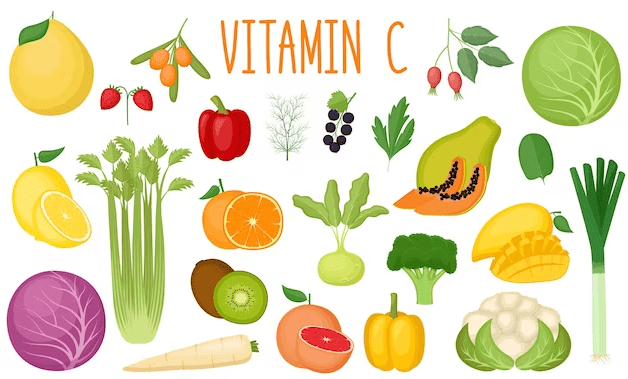
In your journey to managing disc protrusion symptoms, the importance of a healthy diet and proper nutrition cannot be overstated. By fueling your body with the right nutrients, you can not only alleviate pain and discomfort but also support the healing process. This article will guide you through the best diet and nutrition tips specifically tailored to help you manage disc protrusion symptoms effectively. With these simple but powerful strategies, you’ll be on your way to a healthier, pain-free life.
Whole Foods
When it comes to managing disc protrusion symptoms, one of the most important aspects of your diet is to include a variety of fruits and vegetables. These nutrient-rich foods provide essential vitamins, minerals, and antioxidants that can help reduce inflammation and support overall spinal health. Aim to have a colorful plate filled with a variety of fruits and vegetables to ensure you’re getting a wide range of beneficial nutrients.
Additionally, opt for whole grains instead of refined grains. Whole grains, such as quinoa, brown rice, and whole wheat bread, are rich in fiber and can help regulate digestion and promote overall body health. On the other hand, refined grains, like white bread and white rice, have been stripped of their beneficial fiber and tend to spike blood sugar levels. By choosing whole grains, you can better manage your disc protrusion symptoms and support a healthier spine.
Finally, make sure to incorporate lean proteins into your meals. Protein is essential for muscle repair and growth, and it can also help reduce inflammation in the body. Good sources of lean proteins include chicken breast, turkey, fish, tofu, and legumes. By including these in your diet, you can support your spine’s health and aid in the recovery and management of disc protrusion symptoms.
Anti-Inflammatory Foods
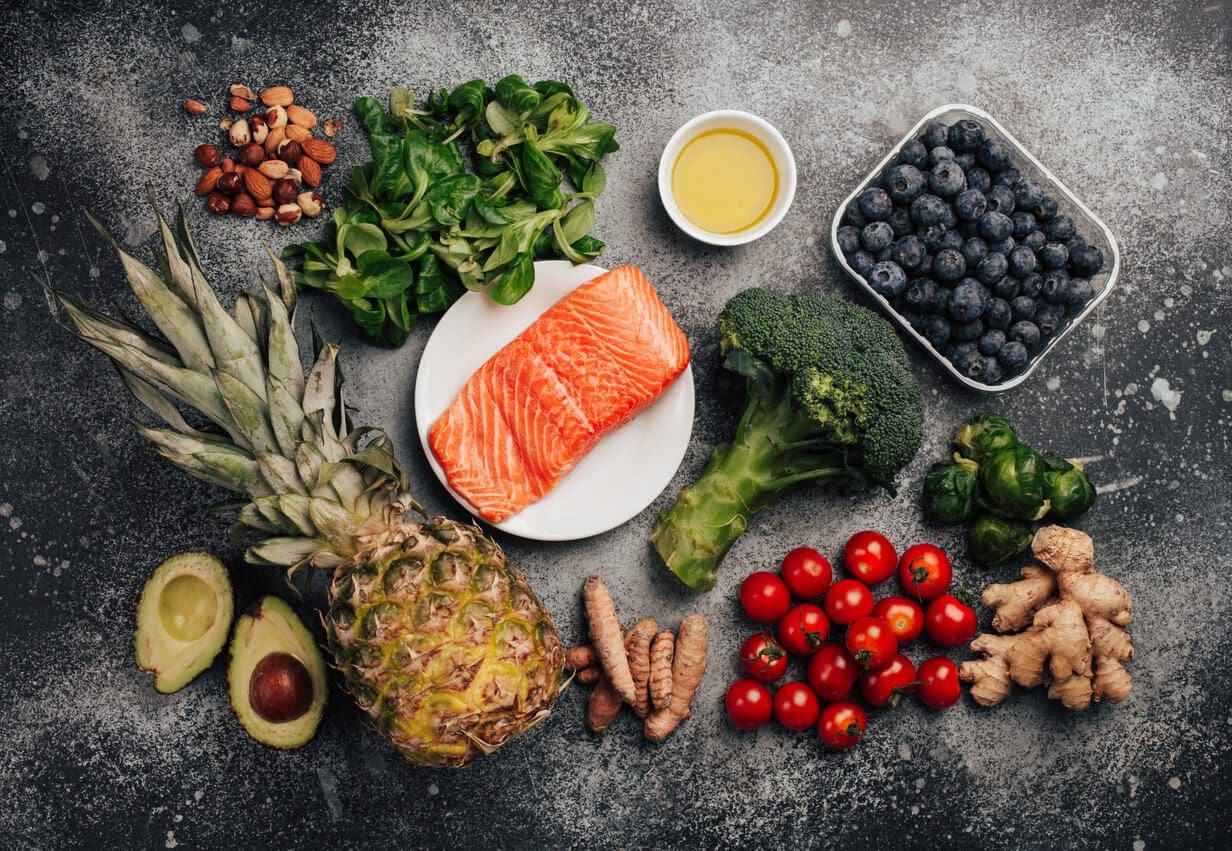
Inflammation is a significant factor in disc protrusion symptoms, so incorporating anti-inflammatory foods into your diet can make a real difference in managing your condition. One group of foods to focus on is fatty fish, such as salmon, mackerel, and sardines, which are rich in omega-3 fatty acids. Omega-3s have been shown to reduce inflammation and may help alleviate pain associated with disc protrusion. Aim to consume fatty fish at least twice a week to reap their anti-inflammatory benefits.
Another anti-inflammatory ingredient to add to your meals is turmeric. Turmeric contains a compound called curcumin, which has potent anti-inflammatory properties. It has been used for centuries in traditional medicine to treat various conditions, including inflammation. You can sprinkle turmeric powder in your cooking or enjoy a warm cup of turmeric tea to harness its anti-inflammatory benefits.
Leafy greens, such as spinach, kale, and Swiss chard, are also excellent additions to an anti-inflammatory diet. Packed with antioxidants, these greens can help combat inflammation and support overall spinal health. Nuts, like walnuts and almonds, are another great option as they are rich in antioxidants and healthy fats, which can aid in reducing inflammation in the body.
Hydration
Proper hydration is crucial for overall health and can play a significant role in managing disc protrusion symptoms. Make sure to drink plenty of water throughout the day to keep your body hydrated. Water helps nourish the intervertebral discs, which are responsible for cushioning the spinal vertebrae. Staying well-hydrated can contribute to the overall health and flexibility of your spine.
On the other hand, it’s essential to avoid sugary drinks and excessive caffeine intake. These beverages can dehydrate the body and potentially worsen inflammation and pain associated with disc protrusion symptoms. Opt for water, herbal teas, or infused water with fresh fruits and herbs instead. By making this simple change, you can better manage your symptoms and support a healthier spine.
Healthy Fats
Incorporating healthy fats into your diet can be incredibly beneficial for managing disc protrusion symptoms. One excellent source of healthy fats is avocados. Avocados are rich in monounsaturated fats, which can help reduce inflammation in the body. They also provide essential nutrients and vitamins that support overall spinal health. You can enjoy avocados on toast, in salads, or as a delicious addition to various dishes.
Nuts and seeds are another fantastic addition to your diet for their healthy fat content. Walnuts, almonds, chia seeds, and flaxseeds are all packed with omega-3 fatty acids and can help reduce inflammation in the body. You can sprinkle them on top of yogurts, salads, or use them as toppings for oatmeal or smoothies.
Lastly, consider using olive oil or coconut oil for cooking instead of unhealthy fats like butter or vegetable oils. Olive oil contains monounsaturated fats and has been linked to a reduced risk of inflammation and heart disease. Coconut oil, which is high in medium-chain triglycerides (MCTs), has also been associated with numerous health benefits, including reduced inflammation. By incorporating these healthy fats into your cooking, you can support your spinal health and manage disc protrusion symptoms.
Spinal Health Nutrients
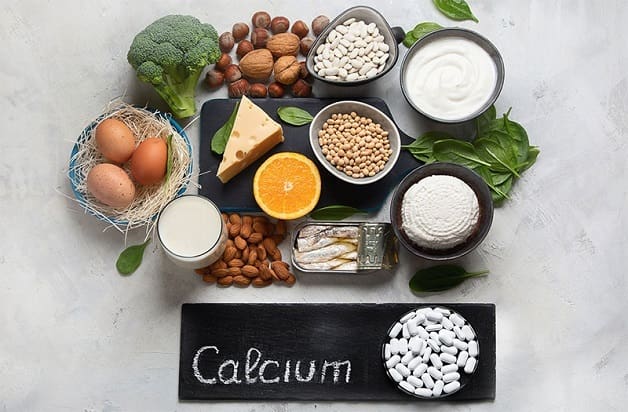
To maintain a healthy spine and manage disc protrusion symptoms, it’s crucial to ensure sufficient intake of specific nutrients that support spinal health. Calcium is essential for bone health, so make sure you’re getting enough from sources like dairy products, leafy greens, and fortified plant-based milk.
Vitamin D is also crucial for better calcium absorption, so be sure to consume foods rich in this nutrient or consider getting some sunlight exposure. You can find vitamin D in foods like fatty fish, egg yolks, and fortified dairy or plant-based products. Additionally, magnesium plays a vital role in supporting muscle function and nerve health. Incorporate magnesium-rich foods into your diet, such as almonds, spinach, black beans, and avocados.
By focusing on these spinal health nutrients, you can provide your body with the necessary building blocks for maintaining a healthy spine and managing disc protrusion symptoms.
Avoid Trigger Foods
Certain foods can trigger inflammation and worsen disc protrusion symptoms, so it’s essential to limit or avoid these altogether. Processed foods, such as chips, cookies, and fast food, are typically high in unhealthy fats, sugars, and artificial additives. These can contribute to inflammation and may exacerbate pain and discomfort associated with disc protrusion symptoms. Instead, opt for whole, natural foods to support your spine’s health.
Foods high in saturated fats, such as red meat, butter, and full-fat dairy products, should also be reduced in your diet. These fats can contribute to inflammation and may increase your risk of developing other health conditions. Choose leaner protein options, like white-meat poultry, fish, and plant-based protein sources, to support your spinal health and manage disc protrusion symptoms.
Lastly, excessive salt and sodium intake should be avoided, as it can contribute to water retention and inflammation in the body. Pay attention to packaged and processed foods, as they can contain significant amounts of hidden sodium. Instead, season your meals with herbs, spices, and other flavorings to enhance taste without the excess salt.
By being mindful of your food choices and avoiding trigger foods, you can better manage your disc protrusion symptoms and promote a healthier spine.
Stay Active
Staying active is another essential aspect of managing disc protrusion symptoms. Engaging in low-impact exercises like walking, swimming, or cycling can help strengthen the muscles supporting your spine without putting excessive strain on the affected area. These exercises can improve flexibility, promote blood circulation, and alleviate pain associated with disc protrusion.
In addition to low-impact cardio exercises, it’s vital to include core-strengthening exercises in your routine. A strong core helps support your spine and can reduce the risk of further disc protrusion or injury. Planks, bridges, and Pilates exercises are excellent options for strengthening your core muscles.
As part of your active routine, don’t forget to practice gentle stretching and flexibility exercises. Stretching can help relieve muscle tension, improve range of motion, and alleviate pain associated with disc protrusion symptoms. Consider incorporating activities like yoga or tai chi into your routine, as these practices emphasize flexibility, balance, and relaxation.
By staying active and incorporating these exercises into your routine, you can support your spine’s health, manage your symptoms, and promote overall well-being.
Manage Weight
Maintaining a healthy weight is crucial for managing disc protrusion symptoms and reducing stress on the spine. Excess weight can put unnecessary pressure on the discs and can exacerbate pain and discomfort. By adopting portion control and mindful eating practices, you can better manage your weight and support your spinal health.
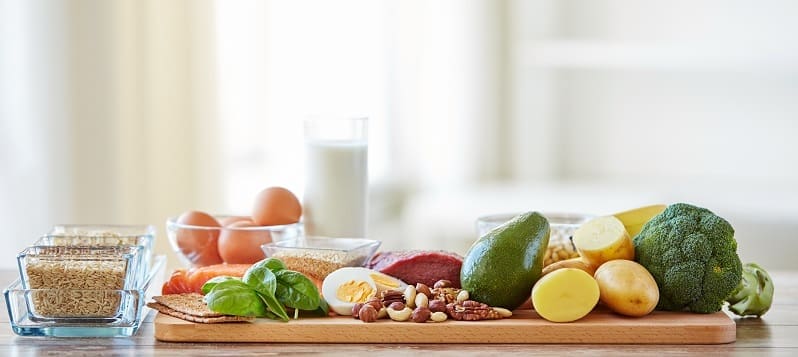
Start by paying attention to your portion sizes and being mindful of your hunger and fullness cues. Avoiding mindless eating and practicing intuitive eating can help you maintain a healthier weight. Additionally, make sure to include a balanced mix of fruits, vegetables, lean proteins, whole grains, and healthy fats in your meals to nourish your body.
It’s always a good idea to consult a healthcare professional for personalized weight management advice. They can provide guidance tailored to your specific needs and help you establish a well-rounded plan to manage your weight effectively.

Supplements
While a balanced diet should be the foundation of managing your disc protrusion symptoms, there are instances where supplements may be beneficial. Omega-3 supplements, such as fish oil capsules, can provide additional anti-inflammatory benefits that may help reduce pain and inflammation associated with disc protrusion. Always consult with a healthcare professional before incorporating any supplements into your routine to ensure proper dosage and quality.
Discussing potential supplementation with a healthcare professional is essential as they can assess your individual needs and determine if there are any specific deficiencies or conditions that may benefit from additional supplementation. They can guide you in selecting the right supplements and ensure they won’t interfere with any medications or treatments you may be receiving.
Remember that supplements should complement a healthy diet and lifestyle, and they are not meant to replace whole foods. By taking a holistic approach and incorporating supplementation when necessary, you can optimize your nutrition and support your spinal health.
Lifestyle Habits
In addition to diet and exercise, certain lifestyle habits can contribute to managing your disc protrusion symptoms. One essential aspect is maintaining good posture while sitting and standing. Poor posture can put additional stress on the spine, exacerbating discomfort and pain. Practice sitting up straight and using ergonomic chairs, desks, and equipment to support proper spinal alignment.
Utilizing ergonomic equipment, such as supportive pillows or cushions, can also alleviate pressure and provide extra comfort while sitting or lying down. Consider using lumbar support pillows or orthopedic cushions to help maintain the natural curvature of your spine and support your lower back.
Finally, prioritize stress management techniques like meditation, deep breathing exercises, or yoga. Stress can exacerbate pain and inflammation in the body, so finding healthy ways to manage stress is crucial. Taking time for self-care, practicing relaxation techniques, and engaging in activities that bring you joy can help reduce stress and improve your overall well-being.
By incorporating these lifestyle habits into your daily routine, you can promote a healthier spine, manage your disc protrusion symptoms, and enhance your overall quality of life.
In conclusion, managing disc protrusion symptoms requires a holistic approach that combines a healthy diet, regular exercise, and mindful lifestyle habits. By incorporating a variety of fruits and vegetables, opting for whole grains, and incorporating lean proteins, you can support your spinal health.
Anti-inflammatory foods, such as fatty fish, turmeric, leafy greens, and nuts, can help reduce inflammation and alleviate pain associated with disc protrusion symptoms. Staying hydrated by drinking plenty of water and avoiding sugary drinks and excessive caffeine intake is also important for supporting spinal health.
Incorporating healthy fats from avocados, nuts and seeds, and using olive oil or coconut oil for cooking can provide additional benefits for managing disc protrusion symptoms. Ensuring sufficient intake of spinal health nutrients like calcium, vitamin D, and magnesium is also essential.
Avoiding trigger foods, staying active through low-impact exercises and core-strengthening exercises, managing weight, and practicing good posture and stress management techniques are all key components of managing disc protrusion symptoms. Lastly, considering supplements and discussing with a healthcare professional and adopting healthy lifestyle habits can further support your spinal health.
Remember, always consult with a healthcare professional before making any significant changes to your diet or lifestyle. They can provide personalized advice and guidance based on your individual needs. By taking a comprehensive approach and incorporating these tips into your daily life, you can better manage your disc protrusion symptoms and improve your overall well-being.