

Understanding Disc Protrusion
Have you ever experienced back pain that radiates down your leg? This could be a symptom of disc protrusion, a common spinal condition. Disc protrusion occurs when the soft, gel-like center of a spinal disc pushes out through a tear or crack in the outer layer. This can cause pain, numbness, tingling, and weakness in the affected area.
Causes of Disc Protrusion
There are several factors that can contribute to disc protrusion, including age, genetics, lifestyle, and occupation. Aging can weaken the spinal discs, making them more prone to protrusion. Genetics can play a role in the development of disc protrusion, as some people may inherit weaker discs. Lifestyle choices, such as smoking, obesity, and inactivity, can also increase the risk of disc protrusion. Additionally, certain occupations that involve heavy lifting, repetitive motion, or prolonged sitting can put strain on the spine and increase the likelihood of disc protrusion.
Symptoms of Disc Protrusion
Disc protrusion can cause a variety of symptoms, depending on the location and severity of the protrusion. Common symptoms include back pain, leg pain, numbness or tingling in the legs, weakness in the legs, and difficulty standing or walking. In some cases, disc protrusion can also lead to more serious symptoms, such as loss of bowel or bladder control, which may indicate a medical emergency.
Diagnosing Disc Protrusion
If you are experiencing symptoms of disc protrusion, it is important to see a healthcare provider for a proper diagnosis. Your provider may perform a physical exam, review your medical history, and order imaging tests, such as X-rays, MRIs, or CT scans, to confirm the diagnosis. Once disc protrusion is diagnosed, your provider can develop a treatment plan to help manage your symptoms and prevent further complications.
Treating Disc Protrusion
Treatment for disc protrusion may include a combination of conservative therapies and surgical interventions, depending on the severity of the condition. Conservative therapies may include rest, physical therapy, chiropractic care, pain medications, and epidural injections to help relieve symptoms and improve mobility. In more severe cases, surgery may be necessary to remove the protruding disc material and relieve pressure on the spinal nerves.
Occupational Health and Disc Protrusion
Now that we have covered the basics of disc protrusion, let’s explore how this condition intersects with occupational health. Many occupations involve tasks that can increase the risk of developing disc protrusion, making it important for employers and employees to be aware of potential hazards and take steps to prevent injury.
High-Risk Occupations for Disc Protrusion
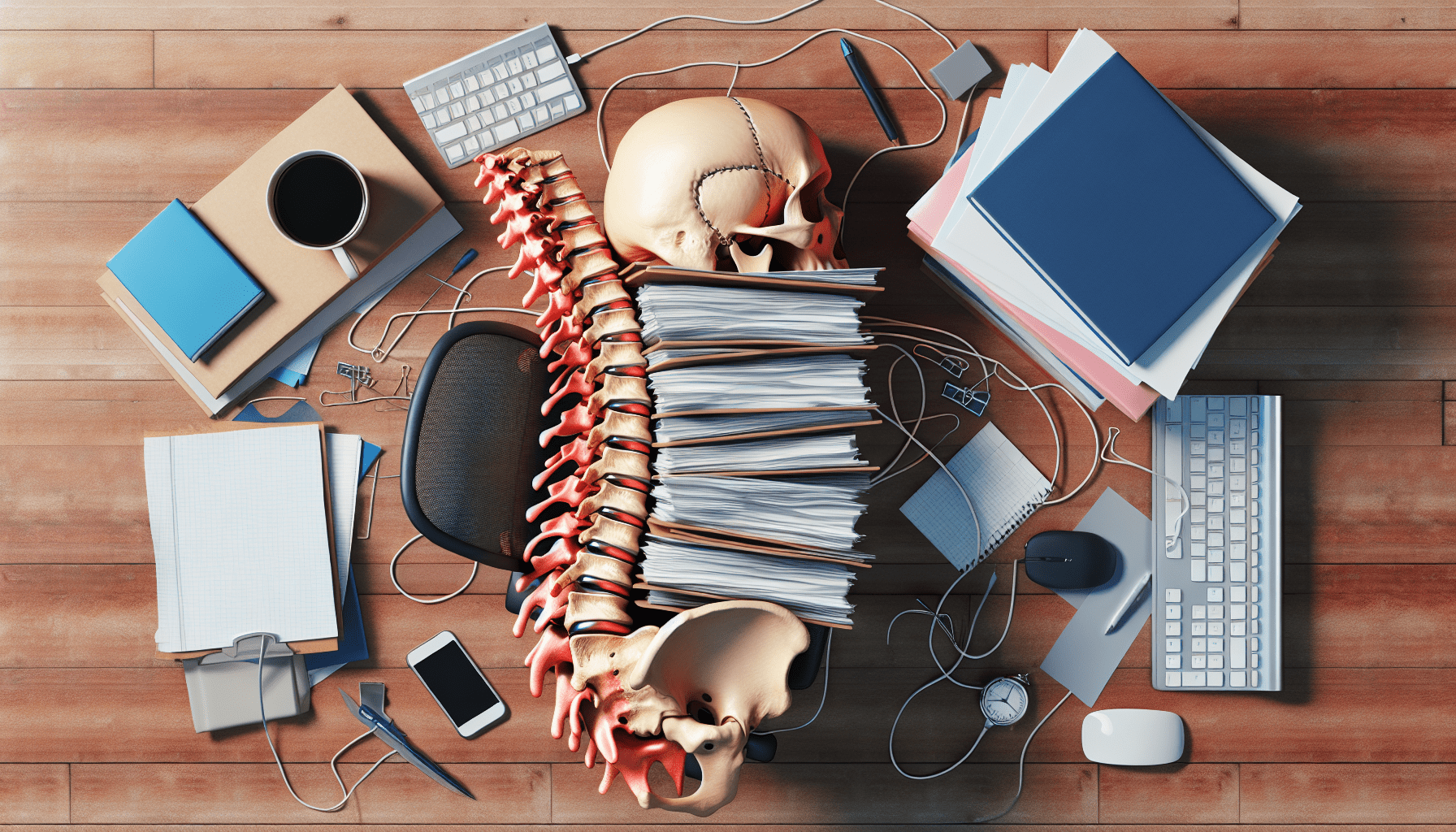
Certain occupations are known to have a higher risk of disc protrusion due to the physical demands of the job. Jobs that involve heavy lifting, repetitive bending or twisting, prolonged sitting, or constant vibration can put excessive strain on the spine and increase the likelihood of disc protrusion. Some high-risk occupations include:
- Construction workers
- Nurses and healthcare workers
- Truck drivers
- Factory workers
- Office workers
If you work in one of these high-risk occupations, it is important to be proactive about protecting your spine and reducing your risk of disc protrusion.
Preventing Disc Protrusion in the Workplace
There are several strategies that employers and employees can implement to prevent disc protrusion in the workplace. Employers can provide training on proper lifting techniques, ergonomic workstation setup, and regular breaks to minimize strain on the spine. Employees can practice good posture, use lifting equipment when necessary, and take frequent stretch breaks to prevent stiffness and muscle imbalances.
Ergonomics in the Workplace
Ergonomics plays a key role in preventing disc protrusion in the workplace. By designing workstations and job tasks to fit the needs of employees, employers can help reduce the risk of musculoskeletal injuries, including disc protrusion. Consider the following ergonomic principles to create a safer work environment:
| Principle | Description |
|---|---|
| Maintain neutral posture | Encourage employees to sit and stand with their spine in a neutral position to reduce strain on the discs. |
| Avoid awkward postures | Minimize bending, twisting, and reaching motions that can increase the risk of disc protrusion. |
| Provide adjustable equipment | Use adjustable chairs, desks, and tools to support proper posture and prevent repetitive strain injuries. |
| Promote movement throughout the day | Encourage employees to take short breaks to stretch, walk, or change positions to prevent stiffness and muscle fatigue. |
By incorporating ergonomic practices into the workplace, employers can create a safer and more comfortable environment for employees to prevent disc protrusion and other spinal conditions.
Worksite Wellness Programs
Worksite wellness programs can also play a role in preventing disc protrusion and promoting employee health and wellbeing. These programs may include health screenings, fitness challenges, ergonomic assessments, and educational workshops to help employees maintain a healthy lifestyle and reduce their risk of work-related injuries.
Employee Education and Training
Educating employees about proper body mechanics and injury prevention techniques is essential for promoting a culture of safety in the workplace. By providing training on lifting techniques, ergonomics, and self-care strategies, employees can learn how to protect their spine and reduce their risk of developing disc protrusion or other occupational health issues.
Early Intervention and Treatment
In the event that an employee does experience symptoms of disc protrusion or other spinal conditions, early intervention is key to preventing further complications and promoting recovery. Employers should have procedures in place to address workplace injuries promptly, provide access to medical care, and support employees in returning to work safely.
Creating a Culture of Safety
Ultimately, creating a culture of safety in the workplace is essential for preventing disc protrusion and promoting the overall health and wellbeing of employees. By prioritizing employee health, implementing preventive measures, and providing resources for early intervention and treatment, employers can create a work environment that supports a healthy spine and prevents occupational health issues.
Conclusion
In conclusion, disc protrusion is a common spinal condition that can have a significant impact on occupational health. By understanding the causes, symptoms, diagnosis, and treatment of disc protrusion, as well as incorporating preventive measures in the workplace, employers and employees can work together to reduce the risk of this condition and promote a safer, healthier work environment. Remember to prioritize your spine health, practice good ergonomics, and seek early intervention if you experience symptoms of disc protrusion to prevent long-term complications and maintain a healthy, pain-free spine.