
Have you ever experienced the discomfort and pain associated with a disc protrusion in your spine? This common condition, also known as a herniated disc, can cause a variety of symptoms that impact your daily life. Fortunately, there are holistic approaches you can take to find relief and improve your overall well-being. In this article, we will explore the mind-body connection and how it can play a crucial role in managing disc protrusion. Let’s dive into the world of holistic approaches to disc protrusion relief together.
Understanding Disc Protrusion
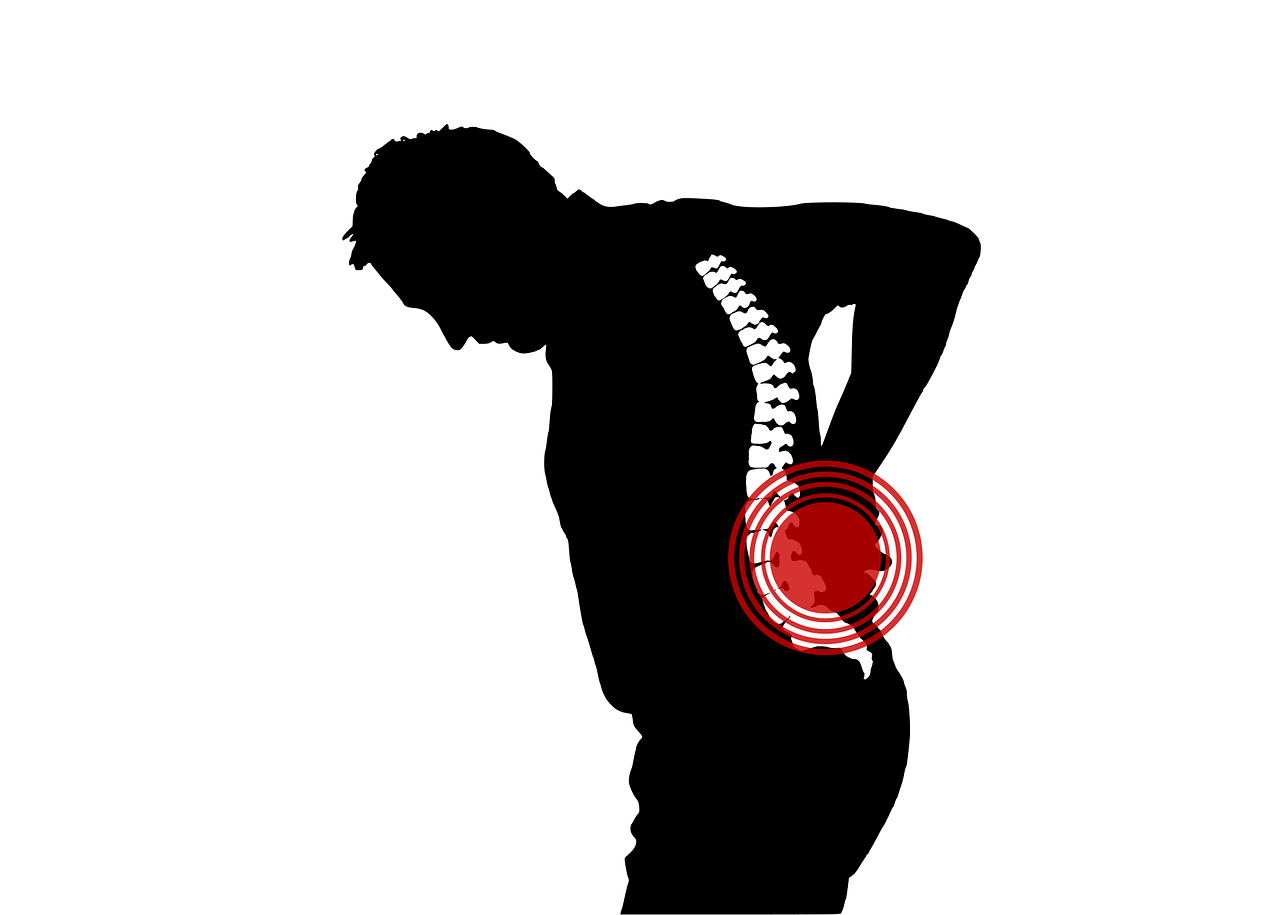
Disc protrusion occurs when the cushion-like discs between the vertebrae in your spine bulge out of place, putting pressure on nearby nerves. This can lead to symptoms such as back pain, numbness or tingling in the extremities, weakness in the muscles, and even difficulty walking or standing for long periods. It is essential to understand the causes and risk factors associated with disc protrusion to effectively address the condition.
Causes of Disc Protrusion
Disc protrusion can be caused by several factors, including aging, wear and tear on the spine, improper lifting techniques, obesity, and genetic predisposition. Repetitive movements or activities that involve twisting or bending can also increase the risk of disc protrusion. By identifying the root cause of your condition, you can take steps to prevent further damage and find relief from your symptoms.
Understanding the causes of disc protrusion can empower you to make positive changes in your lifestyle and daily habits to support your spine health. By addressing these underlying factors, you can reduce the risk of recurrent disc protrusion and improve your overall quality of life.
The Role of Mind-Body Connection
The mind-body connection refers to the link between your mental and emotional well-being and your physical health. Research has shown that stress, anxiety, and negative emotions can contribute to the development and progression of various health conditions, including disc protrusion. By harnessing the power of the mind-body connection, you can take a holistic approach to managing your disc protrusion and promoting healing from within.
Stress and Disc Protrusion
Chronic stress can lead to muscle tension, inflammation, and poor posture, all of which can exacerbate disc protrusion symptoms. By practicing stress-reducing techniques such as mindfulness meditation, deep breathing exercises, or yoga, you can help relax your muscles, improve circulation, and reduce inflammation in your body. This, in turn, can alleviate pain and discomfort associated with disc protrusion.
Emotional Well-Being and Recovery
Your emotional well-being plays a significant role in your recovery from disc protrusion. Negative emotions such as fear, frustration, or anger can heighten pain perception and interfere with your body’s natural healing processes. By cultivating a positive mindset, practicing gratitude, and seeking support from loved ones or a mental health professional, you can enhance your overall well-being and speed up your recovery from disc protrusion.

Holistic Approaches to Disc Protrusion Relief
In addition to traditional medical treatments such as physical therapy, medications, or surgery, holistic approaches can play a complementary role in managing disc protrusion symptoms and promoting healing. By addressing the mind-body connection and incorporating alternative therapies into your treatment plan, you can experience holistic relief from disc protrusion and improve your overall quality of life.
Nutrition and Diet
A healthy diet rich in nutrients can support your body’s natural healing processes and reduce inflammation, which can alleviate disc protrusion symptoms. Incorporating anti-inflammatory foods such as fruits, vegetables, whole grains, and lean proteins in your diet can help reduce pain and promote healing. Avoiding processed foods, sugary snacks, and excessive caffeine or alcohol consumption can also support your spine health and overall well-being.
Physical Activity and Exercise
Regular physical activity and exercise are essential for supporting spine health and preventing further damage from disc protrusion. Low-impact exercises such as walking, swimming, or gentle yoga can help strengthen the muscles surrounding your spine, improve flexibility, and reduce pain. It is essential to consult with a healthcare professional or physical therapist before starting any exercise regimen to ensure it is safe and appropriate for your condition.
Mind-Body Practices
Mind-body practices such as meditation, tai chi, qigong, or guided imagery can help reduce stress, improve relaxation, and promote healing from within. By incorporating these holistic practices into your daily routine, you can enhance your mental and emotional well-being, reduce pain perception, and support your body’s natural healing processes. Experiment with different mind-body techniques to find what works best for you and incorporate them into your daily life for long-term relief from disc protrusion.
Alternative Therapies
In addition to conventional medical treatments, alternative therapies such as chiropractic care, acupuncture, massage therapy, or herbal supplements can provide holistic relief from disc protrusion symptoms. These therapies focus on addressing the root cause of your condition, promoting alignment, reducing inflammation, and alleviating pain. By working with qualified practitioners and exploring a combination of therapies, you can customize a treatment plan that meets your individual needs and supports your journey to recovery.
Self-Care Strategies for Disc Protrusion Relief
Self-care strategies play a crucial role in managing disc protrusion symptoms and promoting healing from within. By incorporating simple practices into your daily routine, you can enhance your overall well-being, reduce pain, and improve your quality of life. Here are some self-care strategies you can implement to find relief from disc protrusion:
Proper Posture
Maintaining good posture is essential for supporting your spine and reducing pressure on the discs. Practice proper alignment while sitting, standing, and moving to prevent worsening of disc protrusion symptoms. Use ergonomic furniture, such as a supportive chair or standing desk, to promote good posture throughout your day.
Regular Movement
Staying active and moving your body regularly is crucial for preventing stiffness, improving circulation, and supporting spine health. Incorporate gentle stretching exercises, walking breaks, or movement breaks throughout your day to prevent muscle tension and reduce pain associated with disc protrusion. Listen to your body’s signals and avoid activities that exacerbate your symptoms.
Stress Management
Effective stress management is key to reducing muscle tension, inflammation, and pain associated with disc protrusion. Practice stress-reducing techniques such as mindfulness meditation, deep breathing exercises, or progressive muscle relaxation to relax your body and mind. Create a calming environment at home or work to promote relaxation and reduce stress levels throughout your day.
Healthy Sleep Habits
Quality sleep is essential for healing and recovery from disc protrusion. Develop healthy sleep habits, such as establishing a regular bedtime routine, creating a comfortable sleep environment, and avoiding electronic devices before bed, to promote restful and rejuvenating sleep. Invest in a supportive mattress and pillow that promote proper spinal alignment and reduce pressure on your discs.
Mindful Movement
Practicing mindful movement techniques such as yoga, tai chi, or Pilates can help improve flexibility, strength, and balance, while reducing pain and discomfort associated with disc protrusion. These gentle forms of exercise promote body awareness, mindfulness, and relaxation, allowing you to connect with your body and reduce stress. Incorporate mindful movement practices into your daily routine to support your spine health and overall well-being.
Seeking Professional Help for Disc Protrusion Relief
If you are experiencing persistent or severe symptoms of disc protrusion, it is essential to seek professional help from a healthcare provider or specialist. A thorough evaluation, diagnosis, and treatment plan can help you address the underlying causes of your condition, alleviate pain and discomfort, and promote healing from within. Be open and honest with your healthcare provider about your symptoms, concerns, and treatment preferences to receive personalized care and support on your journey to disc protrusion relief.
Medical Evaluation
A comprehensive medical evaluation, including physical examination, imaging tests, and diagnostic procedures, can help your healthcare provider determine the extent of your disc protrusion and develop an appropriate treatment plan. Be prepared to discuss your medical history, symptoms, and lifestyle factors that may contribute to your condition to receive an accurate diagnosis and effective treatment recommendations.
Treatment Options
Depending on the severity and location of your disc protrusion, your healthcare provider may recommend a variety of treatment options to alleviate your symptoms and promote healing. These may include physical therapy, medications, injections, or in severe cases, surgery to address the underlying causes of your condition. Work closely with your healthcare provider to explore the benefits and risks of each treatment option and make informed decisions about your care.
Collaborative Care
Collaborative care involves working with a team of healthcare professionals, including physical therapists, chiropractors, acupuncturists, or nutritionists, to create a comprehensive treatment plan for disc protrusion relief. Each member of your care team brings unique skills and expertise to address different aspects of your condition and support your journey to recovery. By collaborating with multiple healthcare providers, you can receive personalized care that meets your individual needs and preferences.

Conclusion
The mind-body connection plays a crucial role in managing disc protrusion symptoms and promoting healing from within. By addressing the root causes of your condition, incorporating holistic approaches into your treatment plan, and engaging in self-care strategies, you can find relief from disc protrusion and improve your overall quality of life. Seek professional help from healthcare providers and explore a variety of treatment options to create a personalized care plan that meets your individual needs. Embrace the power of the mind-body connection and take proactive steps to support your spine health and well-being. Your journey to disc protrusion relief starts with a holistic approach that nurtures your body, mind, and spirit.