
Have you recently been diagnosed with disc protrusion and are feeling overwhelmed with the treatment options available? Fear not, we are here to guide you through the most effective treatments for disc protrusion. From conservative approaches to surgical interventions, we will explore the best options for your condition.
Understanding Disc Protrusion
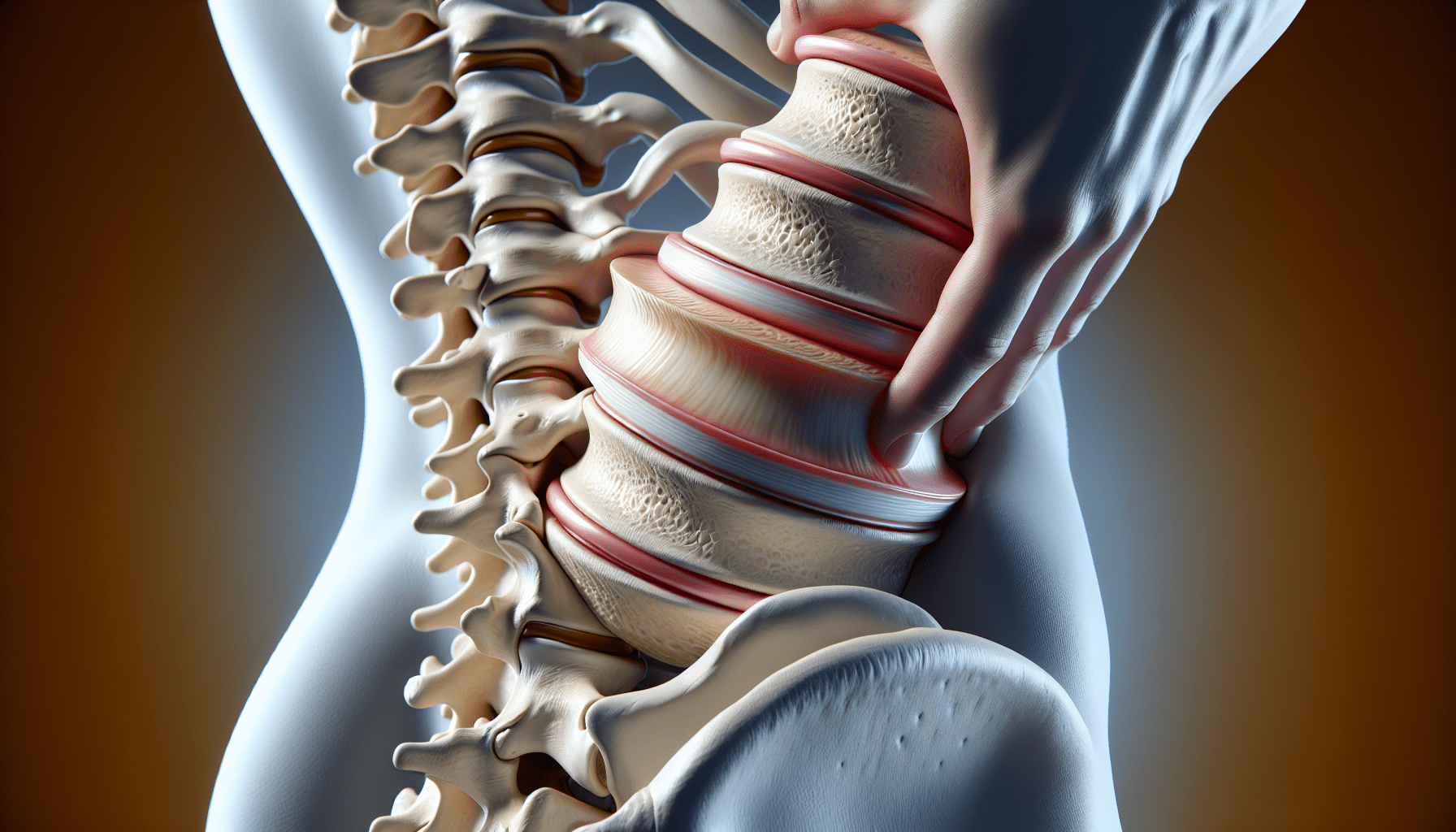
Disc protrusion, also known as herniated disc or slipped disc, occurs when the soft center of a spinal disc pushes through a crack in the tough exterior casing. This can cause pain, numbness, tingling, or weakness in the affected area. Understanding the mechanics of disc protrusion can help you make informed decisions about your treatment options.
Let’s break it down
When a disc protrudes, it can put pressure on nearby nerves, leading to symptoms such as sciatica, where pain radiates down the leg. By understanding the underlying cause of your pain, you can work with your healthcare provider to develop an effective treatment plan.
Conservative Treatments
Conservative treatments are often the first line of defense for disc protrusion, as they aim to manage symptoms and promote healing without surgery. These treatments can include medication, physical therapy, and lifestyle modifications.
Medication
Over-the-counter pain relievers such as ibuprofen or acetaminophen can help alleviate pain and inflammation associated with disc protrusion. Your doctor may also prescribe muscle relaxants or nerve pain medications to target specific symptoms.
Physical Therapy
Physical therapy can help strengthen the muscles surrounding the spine, improve flexibility, and correct posture issues that may contribute to disc protrusion. A physical therapist can customize a treatment plan to address your specific needs and promote healing.
Lifestyle Modifications
Making lifestyle changes such as maintaining a healthy weight, avoiding activities that exacerbate pain, and practicing good ergonomics can help prevent further damage to the discs and alleviate symptoms. Simple habits like proper lifting techniques and regular exercise can make a significant impact on your overall spine health.
Minimally Invasive Procedures
In cases where conservative treatments do not provide sufficient relief, minimally invasive procedures may be recommended. These procedures involve less disruption to the body compared to traditional surgery and can often be performed on an outpatient basis.
Epidural Steroid Injections
Epidural steroid injections can help reduce inflammation and relieve pain associated with disc protrusion. A local anesthetic and corticosteroid are injected near the affected nerve root to provide temporary relief. These injections can be performed under fluoroscopy guidance to ensure accuracy.
Chiropractic Manipulation
Chiropractic manipulation involves manual adjustments to the spine to improve alignment and relieve pressure on the affected disc. A chiropractor can help restore proper spinal motion and alleviate symptoms associated with disc protrusion. Regular sessions may be necessary to maintain the benefits of chiropractic care.
Radiofrequency Ablation
Radiofrequency ablation is a minimally invasive procedure that uses heat to disrupt nerve signals responsible for transmitting pain. This treatment can provide long-term relief for chronic pain associated with disc protrusion. Your doctor may recommend radiofrequency ablation if other treatments have been ineffective.
Surgical Interventions
In cases of severe or persistent disc protrusion, surgical intervention may be necessary to relieve pressure on the spinal nerves and restore function. Surgical options for disc protrusion include discectomy, laminectomy, and spinal fusion.
Discectomy
Discectomy involves removing the portion of the disc that is pressing on the nerve root to alleviate symptoms. This procedure can be performed using minimally invasive techniques, such as microdiscectomy, which involves a smaller incision and shorter recovery time. Discectomy is often recommended for patients with severe pain or neurological deficits.
Laminectomy
Laminectomy is a surgical procedure that involves removing a portion of the lamina, the bony arch of the vertebrae, to relieve pressure on the spinal cord or nerve roots. This procedure can create more space for the nerves and alleviate symptoms associated with disc protrusion. Laminectomy may be recommended for patients with spinal stenosis or severe nerve compression.
Spinal Fusion
Spinal fusion is a surgical procedure that involves joining two or more vertebrae together to stabilize the spine and prevent movement between them. This procedure can be performed using bone grafts, metal hardware, or a combination of both. Spinal fusion may be recommended for patients with instability or deformity caused by disc protrusion.
Post-Surgery Recovery
After undergoing surgical intervention for disc protrusion, it is essential to follow a comprehensive recovery plan to promote healing and prevent complications. Physical therapy, pain management, and lifestyle modifications are essential components of the recovery process.
Physical Therapy
Physical therapy plays a crucial role in post-surgery recovery by helping patients regain strength, flexibility, and range of motion in the spine. A physical therapist can design a customized rehabilitation program to address the specific needs of each patient and promote optimal recovery.
Pain Management
Managing pain after surgery is essential for a successful recovery. Your healthcare provider may prescribe pain medications, recommend ice or heat therapy, and suggest relaxation techniques to alleviate discomfort and promote healing. Open communication with your healthcare team about your pain levels is essential for effective pain management.
Lifestyle Modifications
After surgery, it is important to make lifestyle modifications to support healing and prevent future disc protrusion. This may include maintaining a healthy weight, practicing good posture, avoiding heavy lifting, and engaging in regular exercise to strengthen the muscles surrounding the spine. Small changes in daily habits can make a significant impact on your long-term spine health.
Conclusion
Disc protrusion can be a challenging condition to manage, but with the right treatment plan, you can find relief and improve your quality of life. By understanding the various treatment options available, from conservative approaches to surgical interventions, you can work with your healthcare provider to develop a personalized care plan that meets your needs. Remember to prioritize your spine health through lifestyle modifications, regular exercise, and ongoing communication with your healthcare team. You have the power to take control of your disc protrusion and live a pain-free life.