The Role Of Lifestyle Modifications In Managing Disc Protrusion Symptoms
Have you been experiencing symptoms of disc protrusion, such as back pain, numbness, or tingling? If so, you may be wondering what you can do to manage and alleviate these symptoms. One approach that has shown to be effective in managing disc protrusion symptoms is making lifestyle modifications. In this article, we will discuss the role of lifestyle modifications in the management of disc protrusion symptoms and provide you with actionable tips to help you find relief.
Understanding Disc Protrusion Symptoms
Before we dive into how lifestyle modifications can help manage disc protrusion symptoms, let’s first understand what disc protrusion is and the symptoms associated with it. Disc protrusion occurs when the soft inner core of a spinal disc pushes out through the outer layer, putting pressure on the surrounding nerves. This can result in various symptoms such as:
- Back pain: A common symptom of disc protrusion, back pain can range from mild to severe and can impact your daily activities.
- Numbness: Numbness in the back, legs, feet, or arms can occur as a result of nerve compression caused by disc protrusion.
- Tingling: You may experience a tingling sensation in the affected area, which can be uncomfortable and disruptive.
Understanding these symptoms is essential in effectively managing disc protrusion and finding relief. Now, let’s explore how lifestyle modifications can play a crucial role in this process.
Importance of Lifestyle Modifications
Lifestyle modifications are changes you can make to your daily habits and routines that can positively impact your disc protrusion symptoms. By incorporating healthy lifestyle habits, you can improve your overall well-being and alleviate the discomfort caused by disc protrusion. Some benefits of lifestyle modifications include:
- Reducing inflammation: Certain lifestyle choices, such as maintaining a healthy diet and weight, can help reduce inflammation in the body, which can alleviate pain associated with disc protrusion.
- Strengthening muscles: Engaging in regular physical activity and exercise can help strengthen the muscles supporting your spine, reducing the strain on the affected discs.
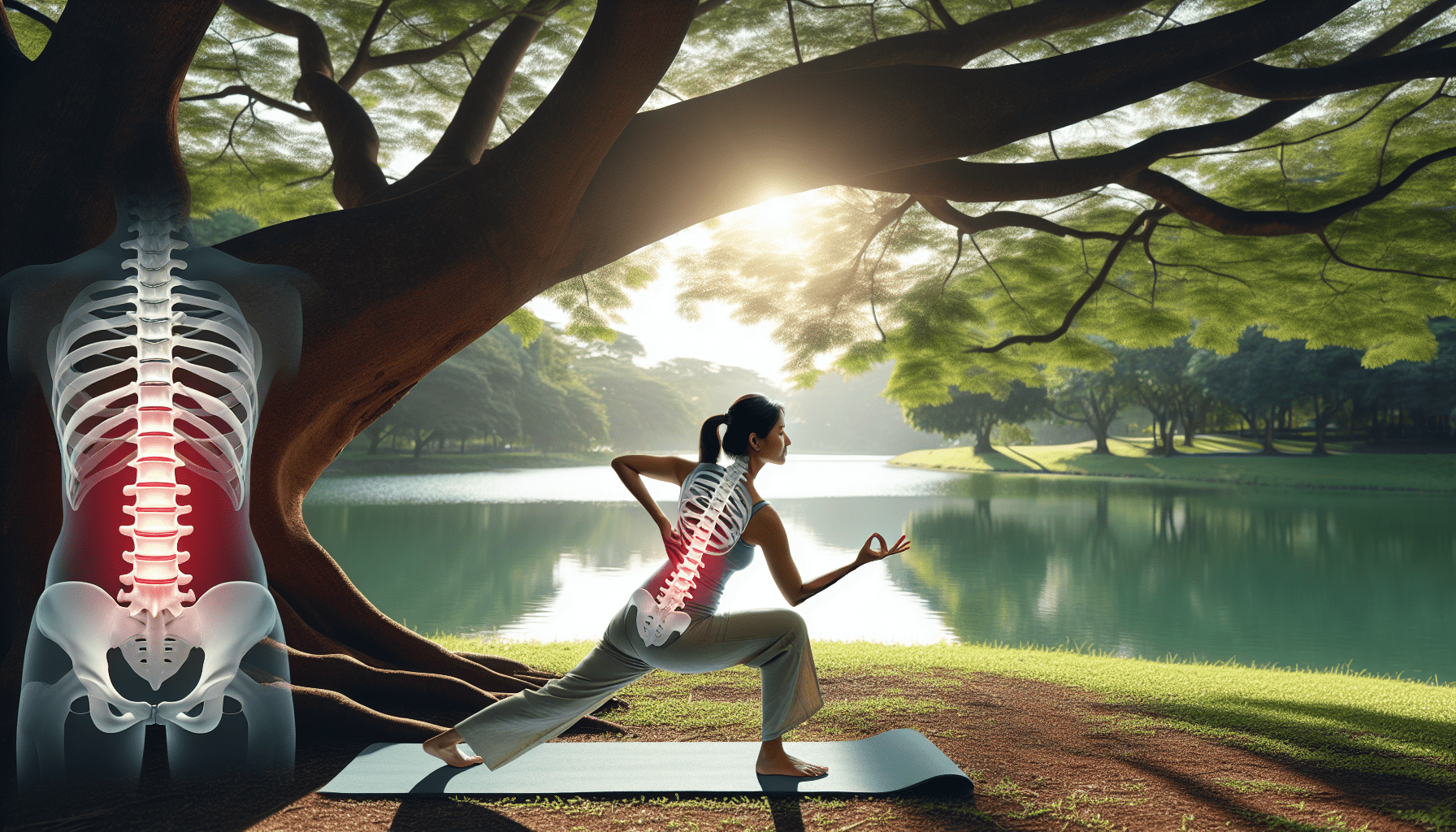
- Improving flexibility: Stretching exercises and activities like yoga can improve flexibility and mobility, helping to alleviate stiffness and discomfort.
By understanding the importance of lifestyle modifications, you can take proactive steps to manage your disc protrusion symptoms effectively.

Incorporating Healthy Eating Habits
One of the key lifestyle modifications that can have a significant impact on managing disc protrusion symptoms is adopting healthy eating habits. A nutritious diet can help reduce inflammation, promote healing, and improve overall health. Here are some dietary tips to consider:
- Anti-inflammatory foods: Include foods rich in antioxidants and anti-inflammatory properties, such as fruits, vegetables, nuts, seeds, and fatty fish like salmon.
- Hydration: Stay hydrated by drinking an adequate amount of water throughout the day to keep your spinal discs hydrated and promote healing.
- Avoid inflammatory foods: Limit your consumption of processed foods, sugary snacks, and foods high in saturated fats, as these can contribute to inflammation and worsen symptoms.
Incorporating these dietary habits can make a significant difference in managing disc protrusion symptoms and promoting recovery.
Regular Exercise Routine
Engaging in a regular exercise routine is another essential lifestyle modification that can benefit individuals dealing with disc protrusion symptoms. Physical activity can help improve strength, flexibility, and posture, which are all crucial in managing disc protrusion. Here are some exercise tips to consider:
- Low-impact exercises: Opt for low-impact exercises like walking, swimming, or cycling, which can help strengthen the muscles without putting excessive strain on the spine.
- Core strengthening exercises: Focus on exercises that target the abdominal and back muscles to improve core strength and stability, which can alleviate pressure on the spinal discs.
- Stretching routines: Incorporate stretching routines into your daily exercise regimen to improve flexibility and reduce stiffness in the affected area.
By incorporating regular exercise into your routine, you can improve your overall physical fitness and better manage disc protrusion symptoms.

Stress Management Techniques
Stress can exacerbate disc protrusion symptoms by increasing muscle tension and pain perception. Therefore, incorporating stress management techniques into your daily routine can help alleviate symptoms and promote relaxation. Here are some stress management tips to consider:
- Mindfulness practices: Engage in mindfulness activities such as meditation, deep breathing, or yoga to reduce stress and promote relaxation.
- Relaxation techniques: Practice relaxation techniques like progressive muscle relaxation or guided imagery to help release tension and alleviate pain.
- Stress-reducing activities: Engage in activities that help you unwind and relax, such as listening to calming music, reading, or spending time in nature.
By proactively managing stress through these techniques, you can improve your overall well-being and find relief from disc protrusion symptoms.
Ergonomic Workspace Setup
If you spend a significant amount of time sitting at a desk or using electronic devices, having an ergonomic workspace setup is crucial in preventing aggravation of disc protrusion symptoms. Proper ergonomics can help maintain good posture, reduce strain on the spine, and alleviate discomfort. Here are some ergonomic tips for your workspace:
- Adjust your chair: Make sure your chair provides adequate lumbar support and allows your feet to rest flat on the floor to maintain proper posture.
- Position your computer: Position your computer screen at eye level and at an arm’s length away to prevent neck strain and promote good posture.
- Take regular breaks: Remember to take short breaks to stretch and change positions regularly to avoid prolonged sitting and reduce strain on your spine.
By optimizing your workspace ergonomics, you can prevent exacerbation of disc protrusion symptoms and maintain a healthy spine.

Seeking Professional Guidance
While lifestyle modifications can be beneficial in managing disc protrusion symptoms, it is essential to seek professional guidance from healthcare providers for a comprehensive treatment plan. A healthcare provider, such as a physical therapist, chiropractor, or orthopedic specialist, can assess your condition, provide personalized recommendations, and monitor your progress. Additionally, they can offer specialized treatments such as:
- Physical therapy: A physical therapist can design a customized exercise program to improve strength, flexibility, and mobility, tailored to your specific needs.
- Chiropractic care: A chiropractor can perform spinal adjustments to realign the vertebrae, alleviate pressure on the discs, and reduce pain and discomfort.
- Medical interventions: In some cases, medical interventions such as steroid injections or surgery may be necessary to manage severe disc protrusion symptoms.
By working collaboratively with healthcare professionals, you can receive the support and guidance needed to effectively manage your disc protrusion symptoms and improve your quality of life.
Conclusion
In conclusion, lifestyle modifications play a crucial role in managing disc protrusion symptoms by reducing inflammation, improving muscle strength and flexibility, promoting relaxation, and optimizing workspace ergonomics. By incorporating healthy eating habits, regular exercise, stress management techniques, ergonomic workspace setup, and seeking professional guidance, you can effectively manage your symptoms and find relief. Remember, everyone’s experience with disc protrusion is unique, so it’s essential to consult with healthcare providers to develop a personalized treatment plan that suits your individual needs. By taking proactive steps and making positive lifestyle changes, you can improve your overall well-being and lead a fulfilling life free of disc protrusion symptoms.