What Are The Effects Of Chronic Illness On The Risk Of Disc Protrusion?
Chronic illnesses are becoming more prevalent in today’s society, affecting millions of people worldwide. But have you ever wondered how chronic illness can impact the risk of disc protrusion in the spine? This article will delve into the effects of chronic illness on the risk of disc protrusion and provide you with valuable information on how to manage and prevent this condition.

Understanding Chronic Illness
Chronic illness is defined as a long-term condition that typically lasts for a year or more and requires ongoing medical attention or limits your activities of daily living. These illnesses can vary in severity, from mild to debilitating, and can affect various organs and systems in the body. Some common chronic illnesses include diabetes, heart disease, arthritis, and asthma.
When you have a chronic illness, your body is constantly under stress and inflammation, which can lead to a variety of complications, including disc protrusion. This increased stress on the body’s systems can weaken the muscles and ligaments supporting the spine, making you more susceptible to disc herniation.
How Chronic Illness Affects the Spine
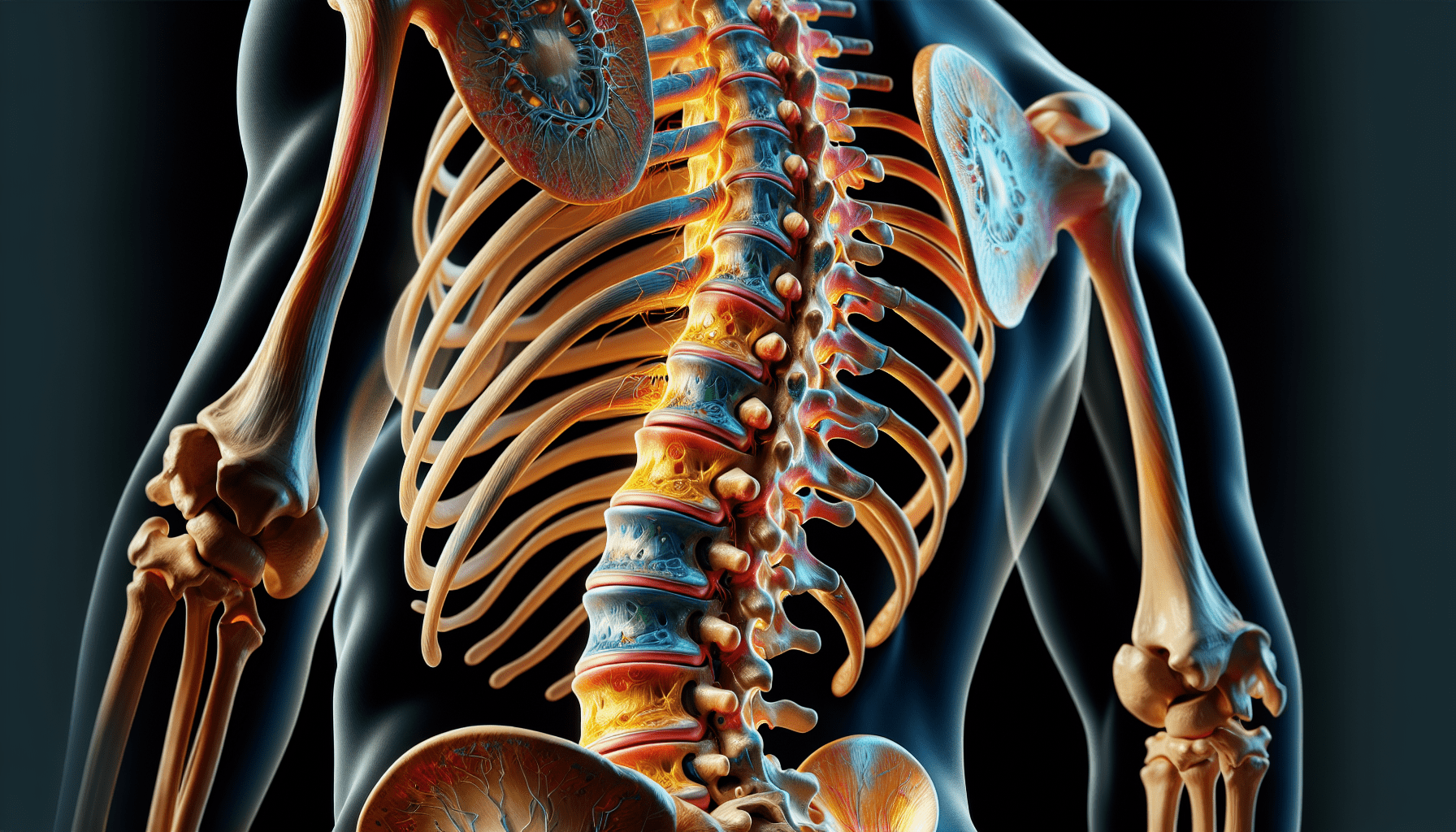
The spine is composed of a series of vertebrae stacked on top of each other, with intervertebral discs in between that act as cushions and shock absorbers. When you have a chronic illness, the inflammatory response in your body can affect these discs, causing them to weaken and bulge out of place.
Chronic illnesses like diabetes and autoimmune disorders can also affect the blood supply to the spinal discs, leading to degeneration and increased risk of herniation. In addition, conditions like obesity and metabolic disorders can put extra pressure on the spine, making it more susceptible to injury and disc protrusion.
Symptoms of Disc Protrusion
Disc protrusion, also known as a bulging disc, occurs when the outer layer of a disc weakens and allows the inner gel-like substance to protrude outwards. This can put pressure on surrounding nerves, causing pain, numbness, tingling, and weakness in the affected area. Some common symptoms of disc protrusion include:
- Back pain that radiates down the legs (sciatica)
- Numbness or tingling in the arms or legs
- Weakness in the muscles of the arms or legs
- Difficulty bending or twisting the spine
If left untreated, disc protrusion can lead to more severe complications, such as nerve damage and loss of function in the affected limbs. It is important to seek medical attention if you experience any of these symptoms, especially if you have a chronic illness that may exacerbate the condition.
Diagnosis and Treatment Options
If you suspect you have a disc protrusion, your doctor may recommend imaging tests such as an MRI or CT scan to confirm the diagnosis. Once the condition is confirmed, treatment options may include:
- Physical therapy to strengthen the muscles supporting the spine
- Medications to reduce inflammation and manage pain
- Epidural steroid injections to reduce nerve irritation
- Surgery in severe cases where conservative treatments fail
It is important to work closely with your healthcare provider to develop a comprehensive treatment plan that addresses both your chronic illness and disc protrusion. By addressing the underlying cause of your symptoms, you can improve your quality of life and reduce the risk of complications.
Preventing Disc Protrusion in Chronic Illness
While you may not be able to completely prevent disc protrusion, there are steps you can take to reduce your risk, especially if you have a chronic illness. Some tips for preventing disc protrusion in the presence of chronic illness include:
- Maintaining a healthy weight to reduce pressure on the spine
- Engaging in regular exercise to strengthen the muscles supporting the spine
- Practicing good posture to reduce strain on the spine
- Managing your chronic illness with medication and lifestyle changes
- Avoiding heavy lifting and repetitive bending or twisting motions
By taking proactive steps to manage your chronic illness and protect your spine, you can reduce the risk of disc protrusion and its associated complications. Remember to consult with your healthcare provider for personalized recommendations based on your specific condition and needs.
Conclusion
In conclusion, chronic illness can have a significant impact on the risk of disc protrusion in the spine. By understanding how chronic illness affects the body and spine, you can take steps to manage and prevent this condition. Remember to seek medical attention if you experience symptoms of disc protrusion, and work closely with your healthcare provider to develop a comprehensive treatment plan. By taking a proactive approach to your health and well-being, you can reduce the risk of disc protrusion and improve your quality of life.