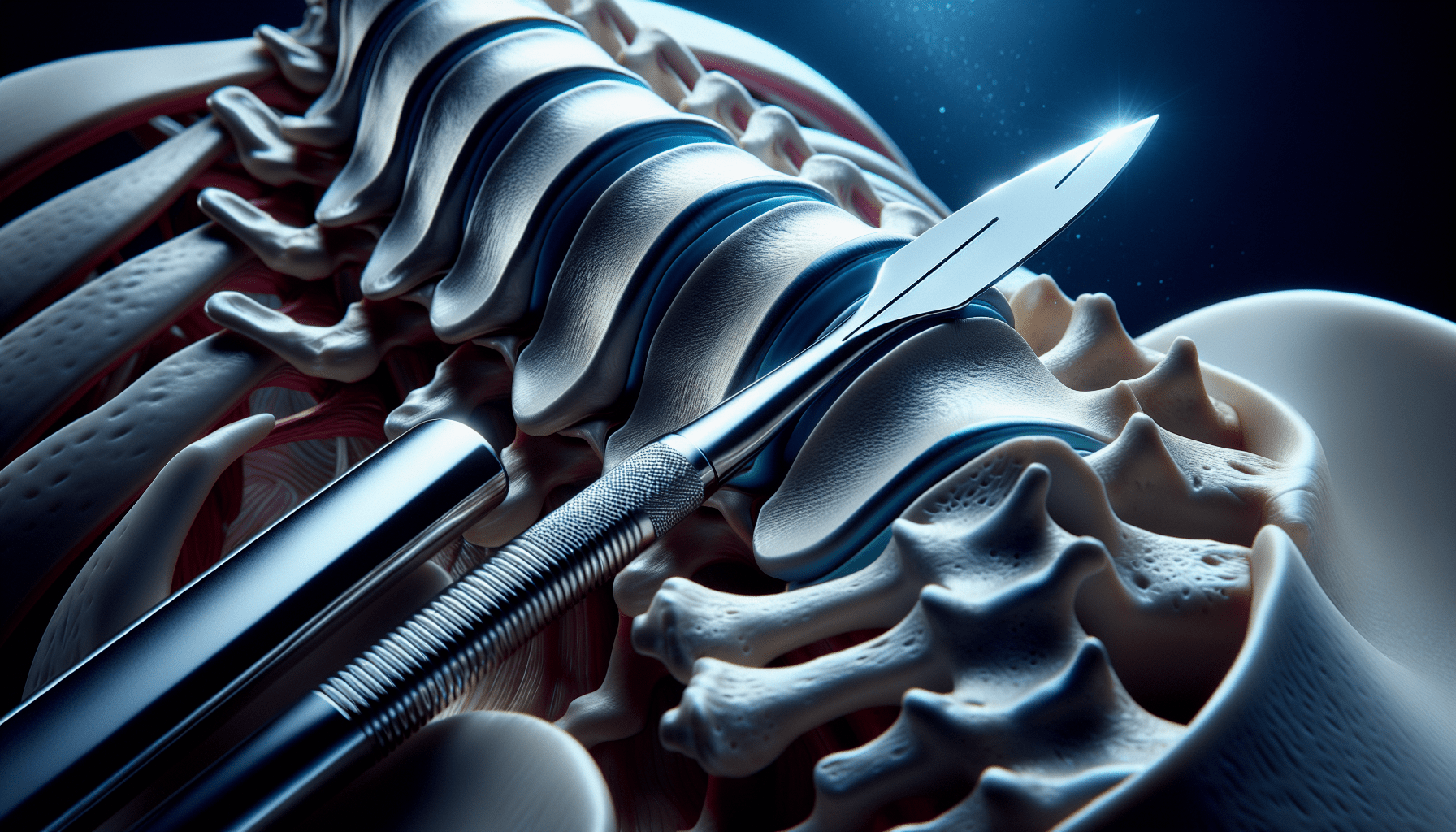
Welcome to a comprehensive guide on what to expect from surgical treatment options for disc protrusion. When dealing with this common spinal issue, it’s important to understand the various surgical approaches available to you. From minimally invasive procedures to traditional open surgeries, each option has its own set of benefits and risks. By exploring the different treatment methods and knowing what to expect during the recovery process, you can make an informed decision about the best course of action for your condition. Let’s dive into the details and discover how these surgical options can help alleviate your disc protrusion symptoms. Have you been struggling with a disc protrusion and wondering what surgical treatment options are available to you? You’re not alone. Many people face this same dilemma and are unsure of what to expect from surgical interventions. In this article, we will explore the various surgical treatment options for disc protrusion and what you can expect from each procedure.
Understanding Disc Protrusion
Disc protrusion, also known as a herniated or slipped disc, occurs when the soft inner portion of a spinal disc pushes through the tough outer layer. This can result in pain, numbness, and weakness in the affected area. Surgical treatment may be recommended if conservative measures such as physical therapy and medications have not provided relief.
Disc protrusion commonly affects the lower back (lumbar spine) or the neck (cervical spine). It may be caused by age-related wear and tear, trauma, or improper lifting techniques. The symptoms of disc protrusion can vary depending on the location and severity of the herniation.
Symptoms of Disc Protrusion
Symptoms of disc protrusion may include:
- Pain that worsens with movement
- Numbness or tingling in the arms or legs
- Muscle weakness
- Difficulty walking or standing
- Sciatica (pain that radiates down the leg)
- Loss of bladder or bowel control (in severe cases)
If you are experiencing any of these symptoms, it is important to consult with a healthcare provider for an accurate diagnosis and appropriate treatment plan.
Surgical Treatment Options
Surgical treatment for disc protrusion aims to relieve pressure on the nerves and spinal cord caused by the herniated disc. There are several surgical approaches available, each with its own benefits and risks. The type of surgery recommended will depend on the location and severity of the disc protrusion, as well as other individual factors such as overall health and lifestyle.
Discectomy
A discectomy is a common surgical procedure used to treat disc protrusion. During a discectomy, the surgeon removes the portion of the herniated disc that is pressing on the nerves. This can help alleviate pain and other symptoms associated with disc protrusion. Discectomy can be performed using minimally invasive techniques, which can result in shorter hospital stays and quicker recovery times.
If you undergo a discectomy, you can expect to spend a few days in the hospital for monitoring and pain management. Physical therapy may be recommended to help you regain strength and mobility in the affected area. Most people are able to return to their normal activities within a few weeks after surgery.
Microdiscectomy
Microdiscectomy is a minimally invasive version of a traditional discectomy. During a microdiscectomy, the surgeon uses a small incision and specialized instruments to remove the herniated portion of the disc. This approach can result in less tissue damage, less scarring, and a faster recovery time compared to open surgery.
With a microdiscectomy, you can expect to go home the same day or spend just one night in the hospital. You may be advised to avoid heavy lifting and strenuous activities for a few weeks after surgery. Most people experience relief from their symptoms soon after the procedure and can gradually return to their normal routine.
Laminectomy
A laminectomy, also known as decompression surgery, is another surgical option for treating disc protrusion. During a laminectomy, the surgeon removes a portion of the vertebral bone (lamina) to create more space for the nerves and spinal cord. This can help relieve pressure and reduce symptoms such as pain and numbness.
After a laminectomy, you may need to stay in the hospital for a few days for observation and pain management. Physical therapy may be recommended to help you regain strength and flexibility in the back. It may take several weeks to fully recover from a laminectomy, but most people experience significant improvement in their symptoms.

Risks and Complications
As with any surgical procedure, there are risks and potential complications associated with surgical treatment for disc protrusion. It is important to discuss these risks with your healthcare provider before undergoing surgery. Some common risks include infection, bleeding, nerve damage, and complications related to anesthesia.
The risk of complications may vary depending on the type of surgery, the skill of the surgeon, and individual factors such as age and overall health. To minimize the risk of complications, it is important to follow your healthcare provider’s instructions before and after surgery, attend all follow-up appointments, and communicate any concerns or changes in symptoms.
Rehabilitation and Recovery
Rehabilitation and physical therapy play a crucial role in the recovery process after surgical treatment for disc protrusion. Physical therapy can help improve strength, flexibility, and range of motion in the affected area. It can also help reduce pain and prevent future injuries.
Your physical therapist will work with you to develop a customized rehabilitation plan based on your specific needs and goals. This may include exercises to improve core strength, flexibility, and posture. It is important to follow your physical therapist’s instructions and attend all scheduled sessions to ensure a successful recovery.
Long-Term Outlook
The long-term outlook after surgical treatment for disc protrusion is generally positive for most people. Many individuals experience significant relief from pain and other symptoms soon after surgery. However, it is important to maintain a healthy lifestyle and follow your healthcare provider’s recommendations to prevent future disc protrusion and minimize the risk of recurrence.
It is important to avoid activities that may exacerbate your symptoms, such as heavy lifting, prolonged sitting, or repetitive bending. It is also advisable to maintain a healthy weight, stay active, and practice good posture to support the spine and reduce the risk of developing additional disc issues in the future.
Conclusion
Surgical treatment options for disc protrusion can provide effective relief for individuals who have not responded to conservative measures. By understanding the different surgical approaches available and what to expect from each procedure, you can make an informed decision about the best course of action for your health and well-being.
If you are considering surgical treatment for disc protrusion, consult with a healthcare provider or a spine specialist to discuss your options and determine the most appropriate treatment plan for your individual needs. Remember that surgery is just one part of the treatment process, and rehabilitation and lifestyle modifications are essential for long-term success and overall spine health.
By staying informed and proactive about your health, you can take control of your disc protrusion symptoms and improve your quality of life. Take the first step towards a pain-free future by exploring surgical treatment options and working with a healthcare provider who understands your unique needs and concerns.