
How Does A Sedentary Lifestyle Impact Disc Protrusion?
How does a sedentary lifestyle impact disc protrusion?

What is a Sedentary Lifestyle?
A sedentary lifestyle is characterized by limited physical activity, often spending long periods sitting or lying down with little to no exercise. While it may seem harmless, especially in today’s technology-driven world where many of us have desk jobs, a sedentary lifestyle can have negative effects on our overall health and wellbeing.
What is Disc Protrusion?
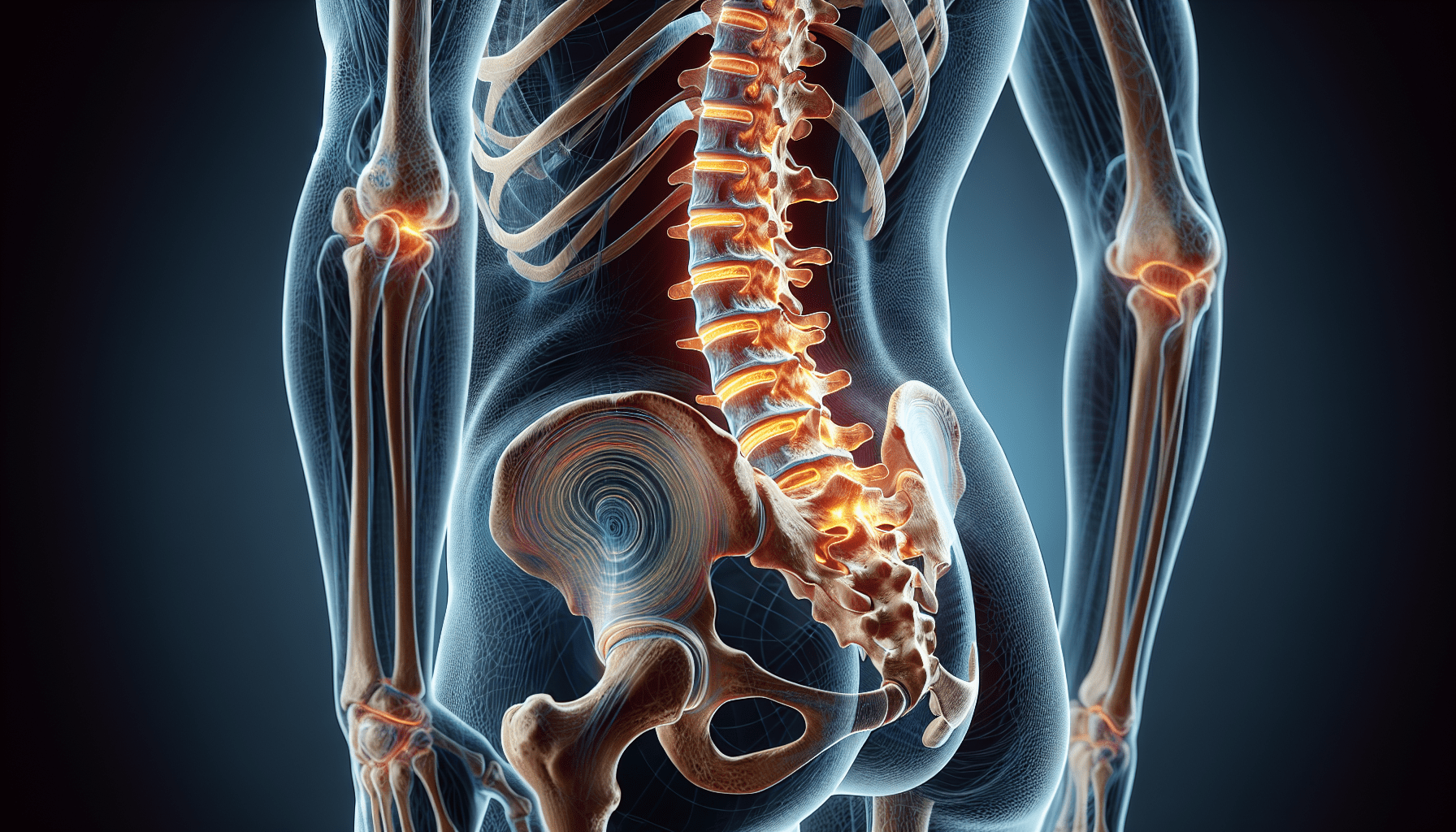
Disc protrusion, also known as a bulging disc, occurs when the soft gel-like center of a spinal disc pushes against the outer ring. This can cause pain, numbness, or weakness in the affected area, and in severe cases, it can lead to more serious conditions like herniated discs or nerve compression.
How Does a Sedentary Lifestyle Contribute to Disc Protrusion?
When you lead a sedentary lifestyle, you are more likely to develop poor posture habits, such as slouching or sitting for extended periods without breaks. This can put extra strain on your spine and increase the likelihood of developing disc protrusion. Additionally, lack of physical activity weakens the muscles that support the spine, making it more vulnerable to injury and disc issues.
What Are the Risk Factors Associated With Disc Protrusion?
Several risk factors can contribute to the development of disc protrusion, and a sedentary lifestyle is one of them. Other factors include age, genetics, obesity, repetitive movements, and heavy lifting. By understanding these risk factors, you can take steps to reduce your chances of developing disc protrusion.

How Can You Prevent Disc Protrusion While Living a Sedentary Lifestyle?
While it may be challenging to avoid a sedentary lifestyle entirely, there are steps you can take to prevent disc protrusion and maintain a healthy spine. Here are some tips to help you stay active and reduce your risk of developing disc issues:
Maintain Good Posture
Practice good posture while sitting, standing, and even lying down to reduce strain on your spine. Sit up straight with your shoulders back, and make sure your workstation is ergonomically set up to support your back and neck.
Take Regular Breaks
If you have a desk job or spend long hours sitting, make it a point to get up and move around every hour. Stretching, walking, or doing some light exercises can help prevent stiffness and improve blood flow to your muscles.
Stay Active
Incorporate regular physical activity into your daily routine, such as walking, cycling, swimming, or strength training. Aim for at least 150 minutes of moderate-intensity exercise per week to keep your spine strong and flexible.
Strengthen Your Core Muscles
Focus on strengthening your core muscles, including your abdominals, obliques, and lower back muscles, to provide better support for your spine. Pilates, yoga, and core-strengthening exercises can help improve your posture and reduce the risk of disc protrusion.
Maintain a Healthy Weight
Excess weight puts added pressure on your spine and can increase the risk of developing disc issues. Eat a balanced diet, rich in fruits, vegetables, lean proteins, and whole grains, and aim to maintain a healthy weight to reduce strain on your discs.

Treatment Options for Disc Protrusion
If you are experiencing symptoms of disc protrusion, such as back pain, radiating pain, numbness, or weakness, it is essential to seek medical attention for an accurate diagnosis and treatment plan. Depending on the severity of your condition, your healthcare provider may recommend the following treatment options:
Physical Therapy
Physical therapy can help improve your posture, strengthen your core muscles, and alleviate symptoms of disc protrusion. A licensed therapist can create a personalized exercise program to target your specific needs and improve your overall spine health.
Medications
Nonsteroidal anti-inflammatory drugs (NSAIDs), muscle relaxants, or pain medications may be prescribed to help reduce pain and inflammation associated with disc protrusion. It is essential to follow your healthcare provider’s recommendations and take medications as directed.
Injections
Steroid injections, such as cortisone, may be administered to reduce inflammation and relieve pain in the affected area. These injections are typically done under the guidance of a trained healthcare provider and may provide temporary relief from symptoms.
Surgery
In severe cases of disc protrusion, surgery may be necessary to remove the protruding disc material and relieve pressure on the nerves. Spinal surgery is typically considered a last resort when conservative treatments have not been effective in managing symptoms.
Conclusion
Living a sedentary lifestyle can have negative consequences on your spine health, including an increased risk of disc protrusion. By taking proactive steps to stay active, maintain good posture, and strengthen your core muscles, you can reduce your risk of developing disc issues and improve your overall spine health. If you are experiencing symptoms of disc protrusion, it is essential to seek medical attention for a thorough evaluation and personalized treatment plan. Remember that prevention is key to maintaining a healthy spine and enjoying a pain-free, active lifestyle.